
Page Contents
Pulmonary tuberculosis (PTB), refers to tuberculosis infection affecting the lungs. The disease occurs after infection with the bacterium Mycobacterium tuberculosis. The bacteria spread through tiny airborne droplets released when an infected person coughs, sneezes, speaks, or sings.
PTB mainly attacks the lungs, yet the bacteria spread to other organs in advanced cases. The infection progresses slowly. Many infected people carry the bacteria for months before symptoms appear. Older adults face higher risk because immune function weakens with age.
In nursing homes, PTB raises major concern. Residents live in shared environments. Frail health, chronic diseases, and prolonged indoor contact increase transmission risk.
Prevalence of Pulmonary Tuberculosis in nursing home
Tuberculosis has declined in many developed countries, yet elderly populations still show significant disease burden. Many older adults acquired latent tuberculosis infection decades ago when TB rates were higher. Age-related immune decline allows latent infection to reactivate. Reactivation TB accounts for a large proportion of cases among elderly individuals.
Nursing homes face additional risk factors.
- advanced age of residents
- chronic diseases such as diabetes, kidney disease, and cancer (comorbidity)
- malnutrition and frailty
- long-term indoor exposure among residents
- delayed diagnosis due to atypical symptoms
Aspect of Pulmonary Tuberculosis management in nursing homes
Managing tuberculosis in nursing homes requires systematic approaches.
- Identification and screening
Residents with persistent cough or unexplained weight loss require medical review. Chest X-ray and sputum tests confirm diagnosis. - Isolation
Suspected or confirmed residents require immediate isolation. Staff must apply airborne precautions. Surgical masks for residents and N95 masks for staff reduce transmission. - Treatment
Doctors prescribe anti-tuberculosis medications for several months. Directly observed therapy ensures adherence. - Disinfection and environmental control
Ventilation improvement reduces airborne bacterial concentration. Environmental cleaning removes contaminated droplets from surfaces. - Recovery monitoring
Regular follow up tests track treatment progress. Weight gain and symptom improvement indicate recovery.
Signs and symptoms of Pulmonary Tuberculosis
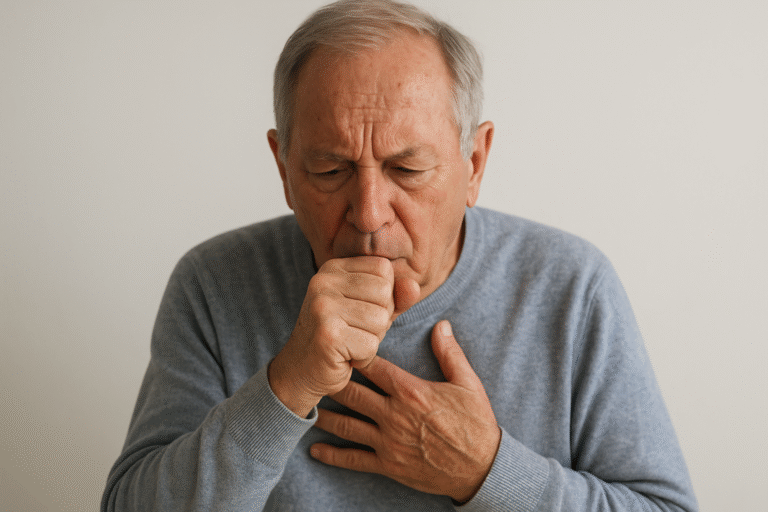
Symptoms among elderly residents often appear subtle. Common symptoms include:
- persistent cough lasting more than three weeks
- coughing blood or blood stained sputum
- chest pain during breathing
- unexplained weight loss
- fever and night sweats
- fatigue and loss of appetite
Some elderly residents show only general decline, confusion, or weakness. Such atypical presentation often delays diagnosis.
How nurses should respond to confirmed Pulmonary Tuberculosis cases
Nurses play a key role in early detection and infection control. Key actions of nurses include:
- report suspicious symptoms immediately to the medical team
- isolate residents suspected of infection
- enforce airborne precautions
- ensure medication adherence under supervision
- monitor vital signs and respiratory status
- educate staff on infection control procedures
Clear communication between nurses, physicians, and infection control teams prevents facility outbreaks.
Treatment options and recovery period
Treatment for PTB involves combination antibiotic therapy. Standard treatment includes multiple anti-tuberculosis drugs such as isoniazid, rifampicin, ethambutol, and pyrazinamide.
The treatment usually occurs in two phases.
- Intensive phase
First two months with four drugs to reduce bacterial load. - Continuation phase
Following four months with fewer medications to eliminate remaining bacteria.
Total treatment duration typically lasts six months. Some elderly residents require longer treatment depending on disease severity. Most patients improve within several weeks after starting therapy. Full recovery requires strict medication adherence.
Disinfection and environmental control for airborne tuberculosis
Pulmonary tuberculosis spreads through microscopic airborne droplet nuclei. These particles remain suspended in air for hours. Standard surface cleaning alone fails to control transmission. Infection control must focus on air management.
- Avoid aerosol disinfection
Some facilities attempt aerosol disinfection with chemical agents. This approach creates additional airborne particles. Aerosol disinfection spreads chemicals through the air without removing infectious droplet nuclei. Aerosol disinfection does not eliminate airborne tuberculosis bacteria effectively. Staff inhalation exposure also raises safety concerns. Facilities should avoid aerosolized disinfectants in occupied wards. Infection control must prioritise airflow management instead. - Maintain strong ventilation
Ventilation and fresh air reduces concentration of airborne bacteria and removes contaminated air, lowers infection risk for staff and residents. Key practices include:- open windows to promote natural airflow
- maintain cross ventilation between opposite windows
- ensure mechanical ventilation systems operate continuously
- maintain adequate air exchange rates in enclosed wards
- avoid overcrowding of resident rooms
- Use negative pressure isolation when available
Suspected or confirmed PTB cases should remain in single rooms with proper airflow direction. Negative pressure rooms draw air into the isolation room while preventing contaminated air from escaping into the corridor. Air then exits through dedicated exhaust systems. This setup protects other residents and staff outside the room. - Use high efficiency air filtration
High efficiency particulate air (HEPA) filters capture very small particles suspended in air. These filters remove airborne droplet nuclei carrying tuberculosis bacteria. Facilities with limited isolation rooms may install portable air purifiers with HEPA filtration in high risk areas. Placement near the resident’s bed improves air cleaning efficiency. - Ultraviolet germicidal irradiation
Upper room ultraviolet germicidal irradiation systems destroy airborne microorganisms. These systems disinfect air circulating within the room without direct exposure to occupants. Some long term care facilities use this technology in high risk wards where ventilation remains limited. - Reduce unnecessary air disturbance
Strong fans blowing directly across residents spread airborne particles within the room. Staff should position fans to support airflow toward windows or exhaust vents instead. Door opening and closing should remain controlled in isolation rooms to reduce air turbulence. - Surface disinfection remains supportive
Although tuberculosis spreads through air, contaminated respiratory secretions still land on nearby surfaces. Routine cleaning should include high-touch areas such as:- bedside tables
- bed rails
- call bells
- door handles/knobs
- medical equipment
Risk of mismanagement
Delayed recognition of PTB carries serious consequences.
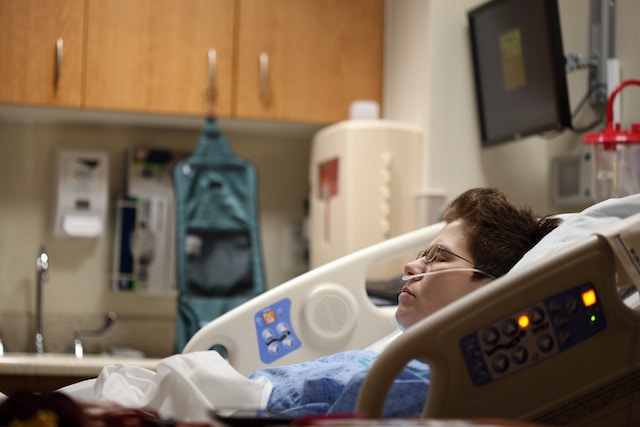
1. Risk to elderly residents may include:
-
- severe lung damage
- respiratory failure
- spread of infection within the facility
- higher mortality among frail residents
2.Risk to caregivers and healthcare workers
-
- occupational exposure to airborne bacteria
- infection among nurses and healthcare assistants
- spread to family members and community
Poor infection control allows airborne bacteria to circulate within enclosed wards. One missed diagnosis could lead to cluster outbreaks.

Prevention of Pulmonary Tuberculosis in nursing homes
Prevention requires coordinated infection control strategies. Effective prevention measures include:
- screening residents with respiratory symptoms
- pre-admission health assessment for new residents
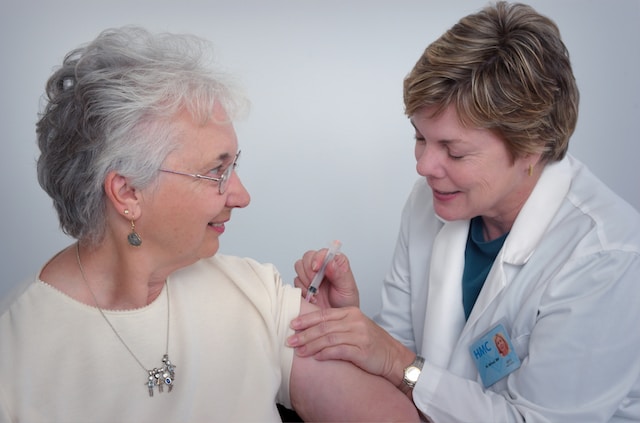
- vaccination policies where applicable
- staff education and awareness on early symptom recognition
- adequate ward ventilation
- prompt medical review of suspected cases
Conclusion
Pulmonary tuberculosis continues to pose a significant infection risk in nursing homes. Elderly residents face higher vulnerability due to weakened immunity and chronic diseases.
Early detection, strict isolation practices, and proper treatment prevent outbreaks within long term care facilities. Nurses and caregivers play a central role in recognising symptoms and enforcing infection control measures.
Strong vigilance protects both residents and healthcare workers. Proper management ensures safe recovery while reducing the spread of this airborne infection.