
Page Contents
A nasogastric tube (NGT) refers to a soft and flexible tube inserted through the nose and guided into the stomach. Healthcare teams use this tube to provide nutrition, fluids, and medication when normal eating and swallowing become unsafe or insufficient. In eldercare, NGT feeding often supports basic needs during illness, recovery, or advanced disease.
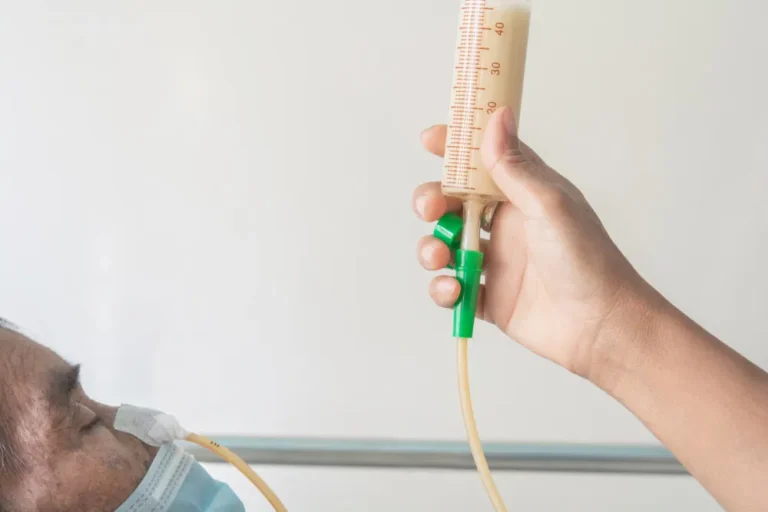
Prevalence among older adults
NGT use appears more frequently among older age groups, especially those with significant physical or cognitive decline. Studies from hospitals and long term care facilities report higher usage among adults aged 75 years and above. Women appear slightly more represented due to longer life expectancy and higher rates of frailty in later years. Nursing homes, rehabilitation wards, and step down care units show the highest concentration of residents receiving tube feeding.

Why some older adults need NGT
Loss of safe swallowing ability remains the main reason for NGT use in older adults. Stroke often damages the brain pathways responsible for coordinated swallowing. Advanced dementia leads to loss of chewing skills, poor awareness of food, and high choking risk. Acute illness causes weakness, drowsiness, and poor oral intake. Certain head, neck, or gastrointestinal cancers obstruct normal swallowing. In some cases, short term NGT feeding supports recovery after surgery or severe infection.
Clinical reasons often documented
- High risk of aspiration during oral feeding
- Inadequate food and fluid intake with weight loss
- Need for reliable medication administration
- Temporary nutritional support during acute medical illness
How to care for an older adult with an NGT
Daily NGT care focuses on safety, hygiene, and comfort. Consistency and observation play a key role in preventing harm. Caregivers need to follow clear routines and document any change promptly.

Essential care practices
Check tube length at the nostril before every feed
Keep the head elevated during feeding and afterward
Flush the tube with water before and after feeds or medication
Secure the tube properly to reduce movement and irritation
Clean the nose and surrounding skin daily
Common risks and complications
NGT feeding carries physical and emotional risks, especially in frail older adults. Aspiration pneumonia remains the most serious complication and often leads to hospital admission. Tube displacement occurs frequently due to coughing, restlessness, or confusion. Prolonged tube use irritates the nose and throat and causes skin breakdown. Feeding intolerance presents as vomiting, abdominal distension, or diarrhea.
Other complications observed in practice
- Blocked tubes from thick feeds or crushed medication
- Sinus infections related to prolonged nasal insertion
- Discomfort and distress affecting quality of life
- Increased need for supervision or restraint in cognitively impaired residents
How to prevent complications?
Prevention depends on knowledge, vigilance, and teamwork. Proper technique and regular review reduce avoidable harm. Training and communication remain central to safe practice.
Effective prevention strategies
- Ongoing staff training on feeding and tube care
- Use of appropriate feeding speed and volume
- Regular reassessment of swallowing ability
- Multidisciplinary review of long term tube feeding plans
- Early discussion of alternative feeding approaches when appropriate
Conclusion
Caring for an older adult with a NGT requires thoughtful attention to physical needs, comfort, and dignity. Tube feeding supports nutrition and medication delivery, yet demands careful daily practice and ongoing clinical review. Caregivers influence outcomes through consistent technique, early detection of problems, and respectful communication with the care team and family. With sound knowledge and attentive care, NGT feeding becomes a supportive measure rather than a source of harm, allowing older adults to receive essential nutrition while preserving safety and quality of life.