
Page Contents
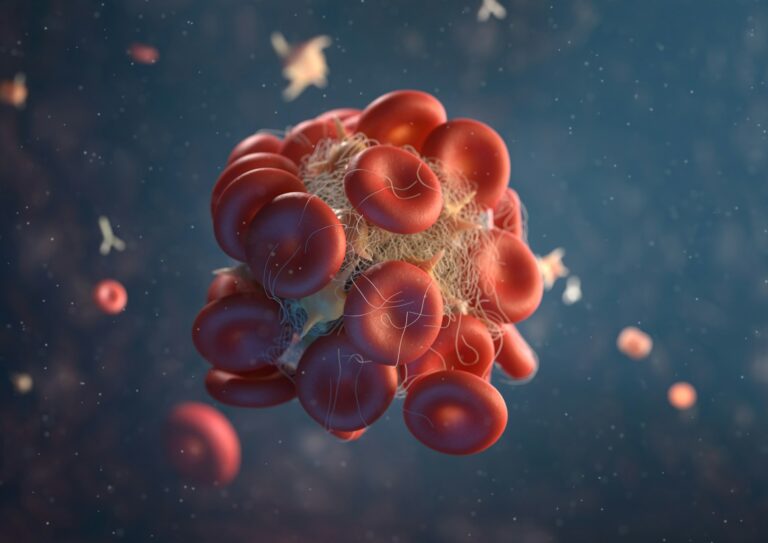
High platelet count is known as thrombocytosis. Platelets are small cell fragments in the blood that play a key role in clot formation. When a blood vessel is injured, platelets gather at the site and form a plug to stop bleeding. This process is essential for survival, but excessive platelets can increase the risk of abnormal clot formation.
In elderly individuals, thrombocytosis is most often discovered during routine blood tests rather than from symptoms. These tests are commonly done during chronic disease follow up, pre-admission screening, or evaluation of nonspecific symptoms such as fatigue or weight loss. Many nursing home residents undergo periodic blood monitoring, which increases the likelihood of detection.
A normal platelet count ranges from about 150,000 to 450,000 per microliter of blood. A value above 450,000 is considered thrombocytosis. Mild elevations are often transient, while persistent or very high levels warrant further investigation to identify the underlying cause.
Prevalence in elderly population
Thrombocytosis is relatively common in the elderly population, particularly in hospital and institutional settings. Studies show that a large proportion of older patients with elevated platelet counts have secondary causes rather than primary bone marrow disorders.
The prevalence increases with age due to the higher burden of chronic diseases. Conditions such as infections, inflammatory disorders, and cancers become more frequent in later life and contribute to elevated platelet counts. In nursing homes, recurrent infections and chronic illnesses make reactive thrombocytosis a frequent laboratory finding.
Ageing alone does not directly increase platelet production. Instead, the physiological changes of ageing, combined with multiple comorbidities, create an environment where platelet counts may rise in response to stress, inflammation, or disease processes.
Common causes of high platelet count in elderly
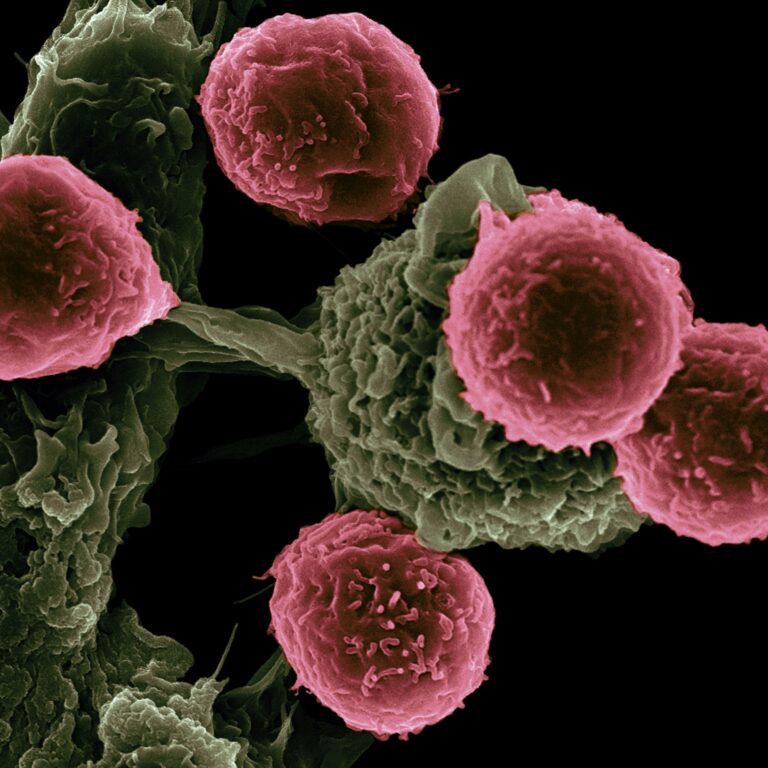
The causes of thrombocytosis are broadly divided into reactive and primary categories. Understanding this distinction is critical because management differs significantly.
Reactive thrombocytosis, also called secondary thrombocytosis. This is the most common type in elderly. It occurs as a response to another condition.
- Infection, such as pneumonia or urinary tract infection
- Chronic inflammation, such as rheumatoid arthritis
- Iron deficiency anemia
- Recent surgery or trauma
- Malignancy, including colorectal or lung cancer
- Post splenectomy state
Primary thrombocytosis, also known as essential thrombocythemia, is less common but more serious.
- Bone marrow disorders where platelets are overproduced
- Often linked to mutations such as JAK2
Clinical implications of high platelet count
A large number of elderly patients with thrombocytosis remain asymptomatic. The condition is often discovered incidentally during routine blood testing. However, the absence of symptoms does not mean absence of risk.
The main clinical concern is an increased tendency for blood clot formation. Elevated platelet levels can promote thrombosis, leading to serious complications such as stroke, myocardial infarction, or deep vein thrombosis. In frail elderly individuals with limited physiological reserve, these events often result in significant morbidity or mortality.
Microvascular symptoms may also occur. Patients may report headaches, dizziness, or transient visual disturbances due to impaired blood flow in small vessels. These symptoms are often subtle and may be overlooked or attributed to ageing.
Interestingly, very high platelet counts can also lead to bleeding complications. This occurs because the platelets may not function properly despite being elevated in number. As a result, patients may experience easy bruising, nosebleeds, or gastrointestinal bleeding.
Treatments for high platelet count
Management of thrombocytosis depends on identifying and addressing the underlying cause. This step is essential before initiating any specific therapy.
- In reactive thrombocytosis, treatment focuses on the primary condition.
For example, antibiotics are used for infections, while iron supplementation is given for iron deficiency anemia. Once the underlying issue is treated, platelet levels often return to normal without the need for direct intervention. - In primary thrombocytosis, treatment aims to reduce the risk of thrombotic events.
Low dose aspirin is commonly prescribed to decrease platelet aggregation and lower the risk of clot formation. For patients at higher risk, cytoreductive therapy such as hydroxyurea is used to suppress bone marrow activity and reduce platelet production.
Treatment decisions must consider the patient’s overall health status, comorbidities, and life expectancy. In elderly patients, the balance between benefit and risk is particularly important.
Side effects of treatments
While treatments are effective, they are not without risks, especially in older adults who often have multiple comorbidities and are on several medications (polypharmacy).
- Aspirin
- Widely used, but increases the risk of bleeding.
- Gastrointestinal irritation and ulcer formation are common concerns, particularly in those with a history of gastric issues.
- Hydroxyurea
- Suppresses bone marrow function beyond the intended effect.
- May lead to reduced white blood cell counts and increased susceptibility to infections.
- Regular blood monitoring is necessary to ensure safe dosing.
- Interferon
- Less commonly used in elderly patients due to its side effect.
- Flu like symptoms, fatigue, and mood disturbances can significantly affect quality of life and adherence to treatment.
Would lifestyle modification help?
Lifestyle measures play a supportive role in the management of thrombocytosis. While they do not directly lower platelet counts, they help reduce the overall risk of cardiovascular complications.
Maintaining adequate hydration is important, as dehydration can increase blood viscosity and contribute to clot risk. Regular physical activity improves circulation and supports cardiovascular health, even in frail individuals when adapted to their functional level.
Smoking cessation is critical, as smoking increases the risk of thrombosis. Good control of chronic conditions such as diabetes, hypertension, and hyperlipidemia further reduces vascular risk.

Conclusion
High platelet count in elderly patients is often a reflection of an underlying condition rather than a primary disease. While many cases are benign and reversible, some carry a significant risk of serious complications, particularly thrombotic events.
Early evaluation is essential to determine the cause and guide appropriate management. Timely intervention improves outcomes and reduces the risk of preventable complications. Regular monitoring and a holistic approach to care remain key components in managing this condition effectively in the elderly population.