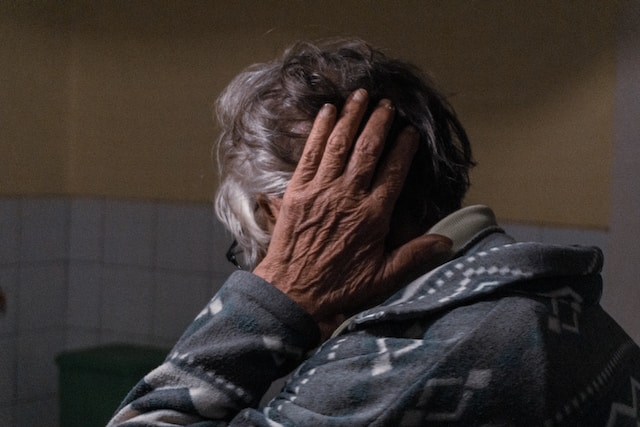
Bacterial diarrhoea develops when harmful organisms enter the gut through contaminated food, water, hands, or surfaces. These bacteria live in raw poultry, undercooked meat, unwashed produce, and unclean water. Shared rooms, communal dining, and close contact increase spread in nursing homes. Older adults become dehydrated fast and face higher risk of complications.
Common bacteria that cause diarrhoea
These organisms often contaminate food and the environment when hygiene breaks down. Salmonella, Shigella, Campylobacter, toxin producing E. coli, and C. difficile are the main causes. Each of these bacteria produces toxins or inflammation that trigger loose stools and abdominal discomfort.
Where the bacteria come from?
Bacteria come from a variety of sources, including soil, water, air, and living organisms, as they are found in nearly every habitat on Earth. For example:
Raw or undercooked meat, poultry, and eggs
Unwashed fruits and vegetables
Contaminated water sources
Unclean hands during toileting or food handling
Toilets, commodes, bed rails, and high touch surfaces
Shared equipment used across multiple residents
Staff or residents who carry the bacteria without symptoms
Challenges in managing bacterial diarrhoea
Managing bacterial diarrhoea is difficult because of multiple factors in a nursing home. Many residents have dementia, so they struggle with toilet hygiene and hand washing. High dependence on staff for daily care increases contact points. Antibiotic use is common, which increases C. difficile risk. Limited isolation rooms slow containment. Outbreaks demand increased cleaning and staff fatigue builds fast. Identifying the first case is also hard because early symptoms look mild. These issues create gaps that allow the infection to spread.
How serious bacterial diarrhoea can be?
Bacterial diarrhoea leads to dehydration, low blood pressure, weakness, and confusion. Kidney injury develops fast when fluid loss continues. Toxin producing strains of E. coli cause bloody diarrhoea. C. difficile results in severe abdominal pain, fever, and life threatening colitis. Older adults decline quickly because their reserves are low and their immune response is weaker.
Investigations to identify infection
Investigations help pinpoint the cause and guide urgent treatment. The different investigations may include:
Stool culture to identify bacteria species
Stool toxin to test confirm C. difficile
Blood tests to check inflammation and hydration status
Kidney and electrolyte to test and guide fluid replacement
Environmental and food sampling to trace outbreaks
How to prevent bacterial diarrhoea?
In a nursing home setting where elderly are vulnerable, a strong prevention strategy protects residents and reduces outbreaks.
Wash hands before meals and after toileting
Train kitchen staff to handle food safely and maintain temperature control
Keep raw and cooked food separate
Wash produce thoroughly
Maintain clean toilets and high touch surfaces
Use dedicated equipment for residents with diarrhoea
Ensure safe water and maintain filters
Review antibiotic use to lower C. difficile risk
Isolate symptomatic residents when needed
Increase cleaning in dining areas, pantries, and shared spaces
Educate staff to act early when symptoms appear
Conclusion
Bacterial diarrhoea in nursing homes is serious and needs fast action. Early recognition, strong hygiene, and proper food safety protect older adults from avoidable harm. Prompt investigation and targeted treatment prevent complications and reduce spread. Every episode deserves urgent attention to keep residents safe and well.
Dementia is a generic term that is used to describe a range of symptoms associated with cognitive and behavioural impairment. Some people with dementia cannot even control their emotions, and…
Diabetes mellitus, commonly known as diabetes, it is a chronic metabolic disease that caused by impairment in sugar processing (by insulin) in the body and thus causing high sugar content…