
Page Contents
Mei Ling had been looking after her father for four years. She managed his medicines, cooked his soft meals, took him to every appointment and slept with one ear open in case he wandered at night. One morning she found herself sitting in the car outside the supermarket, unable to remember why she had come, with tears running down her face. She was not weak, and she did not love her father any less. She was burnt out.
Caregiver burnout is a state of physical, emotional and mental exhaustion that builds up when the demands of caring for someone outlast the energy, time and support you have. It often comes with a shift in feelings, as care that once felt meaningful starts to feel like an endless weight, and guilt or resentment creeps in.
Burnout matters because it harms two people at once. A worn-out caregiver is more likely to fall ill, make mistakes with medicines or lose patience, and the older person feels the effects. The good news is that burnout is recognisable, preventable and, with the right steps, recoverable.
What the numbers tell us
Family caregiving is now one of the largest and least visible workforces in the world. The World Health Organization reports that informal carers, usually family members and close friends, account for about half of the global cost of dementia care. These carers provide an average of five hours of care and supervision every day, and women provide 70% of those care hours.
In the United States, the Caregiving in the U.S. 2025 report by AARP and the National Alliance for Caregiving found that 63 million Americans, nearly one in four adults, provided ongoing care in the past year. That is 20 million more people than in 2015. Nearly one in four caregivers gives 40 or more hours of care each week, and one in three has been caregiving for five years or more. The strain on these caregivers is clear. According to the Alzheimer’s Association, 59% of family members caring for a person with dementia report high to very high emotional stress.
Why caregivers burn out
Burnout rarely has a single cause. It usually grows from several pressures that pile up over months or years.
- Role overload. Caregiving often sits on top of a job, a marriage, children and your own health, with no clear end date.
- Lack of control. Money, a lack of services and the slow progress of an illness can leave you feeling powerless.
- Unrealistic expectations. Many caregivers believe they should be able to do everything alone, or that their care should make the person better.
- Friends drift away, outings stop, and conversations shrink to medicines and appointments.
- Emotional strain. Watching a parent or spouse decline brings a slow, ongoing grief, especially with dementia and its behavioural changes.
- Financial pressure. AARP estimates that family caregivers in the United States spend roughly US$7,200 a year of their own money on caregiving costs.
Warning signs of caregiver burnout
Burnout creeps in slowly, so the early signs are easy to dismiss as normal tiredness. Watch for these changes in yourself or in a family member who gives care:
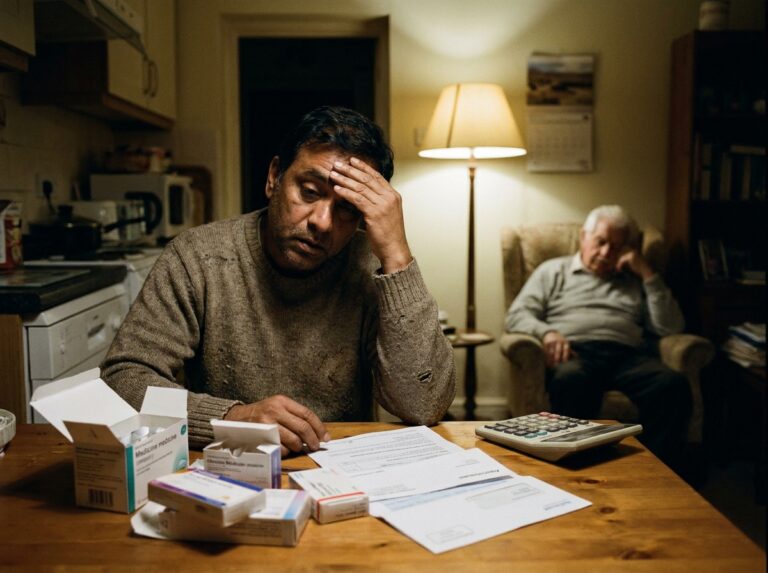
• Constant fatigue that does not lift after a night’s sleep or a day off
• Trouble falling asleep or staying asleep, even when the person you care for is settled
• Withdrawing from friends, hobbies and activities you used to enjoy
• Irritability, impatience or angry outbursts towards the person you care for
• Feeling hopeless, numb, or tearful for no clear reason
• Frequent headaches, stomach upsets, colds or body aches
• Changes in appetite or weight, or relying more on alcohol, sleeping pills or smoking
• Neglecting your own medical appointments and health needs
If several of these signs sound familiar, treat them as a signal to act rather than a reason for guilt.
Risks of ignoring burnout
Left unchecked, burnout can slide into anxiety disorders and depression in caregivers themselves. Long periods of stress raise blood pressure, weaken the immune system and disturb sleep, and many caregivers delay treatment for their own conditions until a crisis forces them to stop.
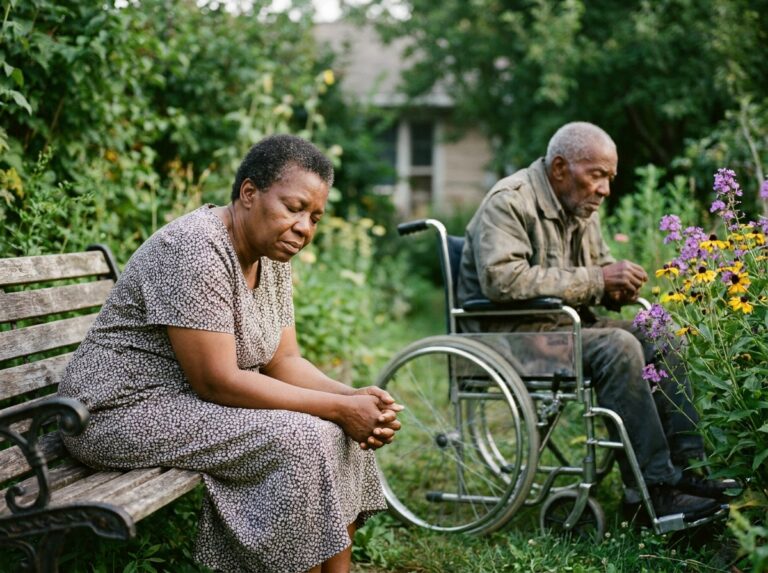
The quality of care also suffers. An exhausted caregiver is more likely to miss a dose, overlook a warning sign or react harshly in a difficult moment. In the most serious cases, unrelieved strain is a known risk factor for neglect or rough handling, which no caregiver intends. Burnout can also force rushed decisions, such as an emergency move to a care home.
Steps to recover from burnout
Recovery starts when you accept that looking after yourself is part of looking after your loved one. These steps can help you rebuild your strength.
Name what is happening
Admit to yourself, and to someone you trust, that you are burnt out. Saying it aloud often eases the shame and opens the door to help.
Take a real break
Arrange respite care for caregivers through a day centre, a short stay in a care facility or a trusted relative. Even a few hours a week of protected time helps your body and mind recover.
Share the load
Hold a family meeting and divide tasks clearly, such as transport, finances, meals and visits. Clear communication with ageing parents and siblings prevents one person from carrying everything.
See your doctor
Tell your doctor that you are a caregiver and describe how you feel. Your doctor can check for depression, anxiety or physical problems and suggest counselling or treatment. Please consult your doctor before starting or stopping any medication.
Rebuild small daily habits
Protect your sleep, eat regular meals and move your body each day. Twenty minutes of regular walking, a few gentle stretches or your favourite music can lift your mood and energy.
Preventing burnout for the long haul
Once you feel steadier, these habits help you keep going without running on empty:
- Learn about your loved one’s condition so that you know what to expect and can plan ahead.
- Set realistic goals, and accept that good enough care is still good care.
- Join a caregiver support group, in person or online, where people understand without explanation.

- Keep one activity that belongs only to you, such as gardening, music, prayer or a weekly coffee with a friend.
- Plan for the future early, including finances, legal matters and the next level of care.
- Ask for help before you reach breaking point, and accept it when it is offered.
- Check in with yourself each week by asking how you are sleeping, eating and feeling.
If the person you care for has a sudden fall, chest pain or confusion, or if you ever feel unable to keep them or yourself safe, call emergency services immediately.
Conclusion
Caregiver burnout is common, but it is not a personal failure. It is the natural result of giving too much for too long without enough support. By recognising the early signs, taking regular breaks, sharing the work and caring for your own health, you can recover and continue to care with love. This week, choose one thing to hand over to someone else and book one hour just for yourself.

Caring for our ageing loved ones is a journey filled with questions, challenges, and important decisions. If you are supporting an elderly parent or caring for someone with memory loss, you may be interested in my ebooks:
- When They Need You
- When the Mind Fades
- When the Pills Multiply
- When the Road Narrows
- When the Body Slows Down

These ebooks provide practical guidance, compassionate insights, and real-world advice for families and caregivers.
To learn more about these books and explore additional resources on ageing and eldercare, click the link Here to visit my ebook page. You do not have to navigate the ageing journey alone.