
Page Contents
Hypotension refers to blood pressure lower than normal physiological needs. Most clinicians define hypotension as systolic pressure below 90 mmHg or diastolic pressure below 60 mmHg. Older adults experience hypotension often. Ageing alters blood vessel elasticity, autonomic reflexes, and fluid balance. Chronic disease and long term medication further lower blood pressure. Hypotension therefore affects elderly populations across community and institutional settings.
Prevalence of hypotension
Hypertension dominates clinical focus in older adults, while hypotension receives less attention. More than half of adults above 65 live with hypertension due to vascular stiffening and long term metabolic disease. Hypotension appears less common, yet remains clinically significant. Studies estimate between one tenth and one third of older adults experience hypotension, depending on diagnostic criteria and care setting. Rates rise sharply in nursing homes and long term care, where frailty, polypharmacy, and chronic illness cluster.
Gender differences also matter. Older men show higher prevalence of orthostatic hypotension, often linked to autonomic dysfunction, cardiovascular disease, and diabetes. Older women report symptoms more often despite similar readings. Lower muscle mass, reduced circulating volume, and stronger drug effects play a role. Both genders face risk, though presentation and triggers differ.
Types of hypotension
Hypotension does not present as one single condition. There are diffrent types of hypotension, each type carries distinct triggers and risks for elderly.
- Orthostatic hypotension.
Blood pressure drops upon standing. Common during transfers and toileting. - Postprandial hypotension.
Blood pressure falls after meals due to splanchnic blood pooling. - Chronic hypotension.
Persistently low readings without acute trigger. - Acute hypotension.
Sudden drop from infection, bleeding, or cardiac events. - Neurally mediated hypotension.
Reflex related drops during stress or prolonged standing.
Causes of hypotension
Hypotension in older adults rarely stems from a single factor. Most cases arise from interacting physiological and clinical contributors. In elderly care, hypotension usually reflects cumulative physiological stress.
- Ageing blunts baroreceptor response, slowing blood pressure recovery after posture change. Many older adults receive antihypertensive treatment based on population targets rather than individual tolerance, leading to overtreatment.
- Dehydration contributes significantly. Reduced thirst perception, swallowing difficulty, and diuretic use lower circulating volume.
- Cardiac conditions such as heart failure and arrhythmias reduce cardiac output, limiting systemic perfusion.
- Autonomic dysfunction from Parkinson disease or long standing diabetes impairs vascular tone regulation.
- Medications further compound risk. Antidepressants, antipsychotics, sedatives, and alpha blockers lower vascular resistance.
- Acute illness often triggers sudden hypotension through infection, bleeding, or myocardial injury.
Signs and symptoms
Hypotension presents variably in older adults and often escapes early detection. Classic symptoms include dizziness and lightheadedness during standing or transfers. Visual blurring or brief loss of vision signals reduced cerebral perfusion. Many older adults describe persistent fatigue or generalised weakness rather than overt dizziness. Cognitive changes appear common. Confusion, slowed response, or fluctuating alertness often precede measurable blood pressure drops. Syncope or near syncope occurs in severe cases. Falls frequently serve as the first clinical sign, especially when no environmental cause exists. Some frail older adults remain asymptomatic despite low readings, due to reduced activity or impaired symptom perception. Lack of symptoms does not equate to absence of harm.

Clinical implications of hypotension in elderly
Hypotension affects outcomes beyond blood pressure numbers. Hypotension signals physiological instability rather than benign variation.
- The risk of falls and broken bones increases, and many older adults experience serious complications or death within one year after a hip fracture.
- Reduced blood flow to the brain worsens memory problems and increases the risk of confusion and delirium.
- Reduced blood flow to the kidneys impairs kidney function and may lead to sudden kidney failure.
- Reduced blood supply to the heart limits oxygen delivery, increasing the risk of chest pain and heart damage.
- Physical function declines more quickly, leading to reduced mobility and loss of independence.
Treatment for hypotension
Treatment prioritises cause identification and functional safety rather than numerical targets.
- Medication review forms the foundation. Dose reduction or deprescribing antihypertensives often improves stability.
- Adequate hydration and appropriate salt intake support intravascular volume when not contraindicated.
- Moving slowly when changing position and standing up in stages helps reduce sudden drops in blood pressure.
- Targeted exercise strengthens lower limb muscle pump function.
- Pharmacologic therapy suits selected patients. Agents such as fludrocortisone expand plasma volume, while midodrine increases vascular tone. These require close monitoring due to side effects.
Prevention of hypotension in elderly
Preventive strategies reduce complications and preserve function. It focuses on daily practice and monitoring.
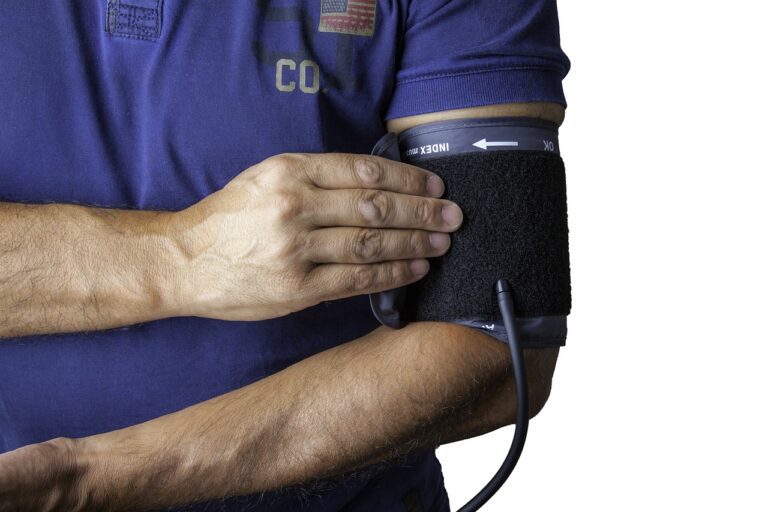
- Regular blood pressure checks in lying and standing positions.
- Individualised blood pressure targets rather than aggressive control.
- Adequate fluid intake throughout the day.
- Smaller frequent meals to reduce postprandial drops.
- Staff education on transfer safety and early symptom recognition.
- Review of medications after any fall or acute illness.
Conclusion
Hypotension in older adults deserves the same level of attention as high blood pressure. Low blood pressure often reflects reduced physiological reserve and underlying health stress in ageing bodies. When hypotension remains unrecognized or poorly managed, the risk of falls, organ damage, cognitive decline, and loss of independence increases. Effective care requires regular monitoring, thoughtful medication management, adequate hydration, and early response to symptoms. Older adults and caregivers should view blood pressure balance as part of daily health maintenance rather than a single clinical target. With proper oversight and timely intervention, many complications linked to hypotension are preventable, supporting safer ageing and better quality of life.