
Page Contents
Mahjong refers to a traditional tile based game that originated in China during the Qing Dynasty. The game uses a set of tiles marked with symbols, numbers, and characters, and players aim to form specific combinations through drawing and discarding tiles. Mahjong spread across East and Southeast Asia through migration and trade, and later reached Europe, Australia, and North America. Today, older adults often associate Mahjong with social gatherings, family bonding, and familiar routines from earlier life.
Popularity of Mahjong
Mahjong remains widely played among older adults, especially within Chinese and Southeast Asian communities. Community surveys and ageing studies in countries such as China, Singapore, Hong Kong, and Taiwan report that between 30 and 50 percent of adults aged 65 years and above play Mahjong at least occasionally. Participation appears higher in urban areas where community centres and senior clubs operate regular sessions.
Gender patterns show some variation.
- Older men tend to play Mahjong more frequently and for longer sessions
- Older women participate actively in social and family based games
- Mixed gender groups appear common in community and home settings
Outside Asia, Mahjong clubs in Western countries report steady participation among older adults of Asian descent, as well as growing interest among non-Asian seniors seeking cognitive and social engagement.
Benefits of playing Mahjong for older adults
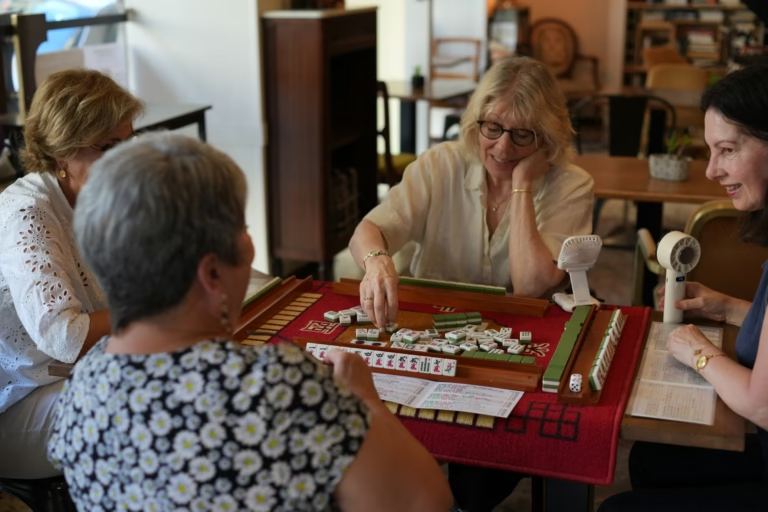
Mahjong offers multiple benefits that extend beyond entertainment. The game requires attention, memory, pattern recognition, and decision making. These mental processes support cognitive stimulation and help older adults stay mentally engaged.
Key benefits often observed include:
Cognitive engagement through counting, recall, and strategy
Social interaction through conversation and shared experience
Emotional well being through enjoyment and sense of belonging
Routine and structure within daily or weekly schedules
Cultural continuity and identity reinforcement
Many older adults describe Mahjong sessions as moments of connection, where laughter, storytelling, and mutual support emerge naturally around the table.
Potential harm and concerns
Despite its benefits, Mahjong also carries potential risks when played without balance or supervision. Long hours of sitting contribute to physical inactivity, joint stiffness, and reduced circulation. Some players develop excessive playing habits that interfere with sleep, meals, or medical routines. Gambling related Mahjong introduces financial stress, family conflict, and emotional strain.
Common concerns raised by caregivers include:
Prolonged sedentary behaviour without movement breaks
Sleep disruption from late night sessions
Financial loss linked to betting practices
Heightened agitation or conflict during competitive play
These risks become more pronounced among older adults with cognitive impairment, poor impulse control, or limited social support.
Should nursing homes allow and promote Mahjong?
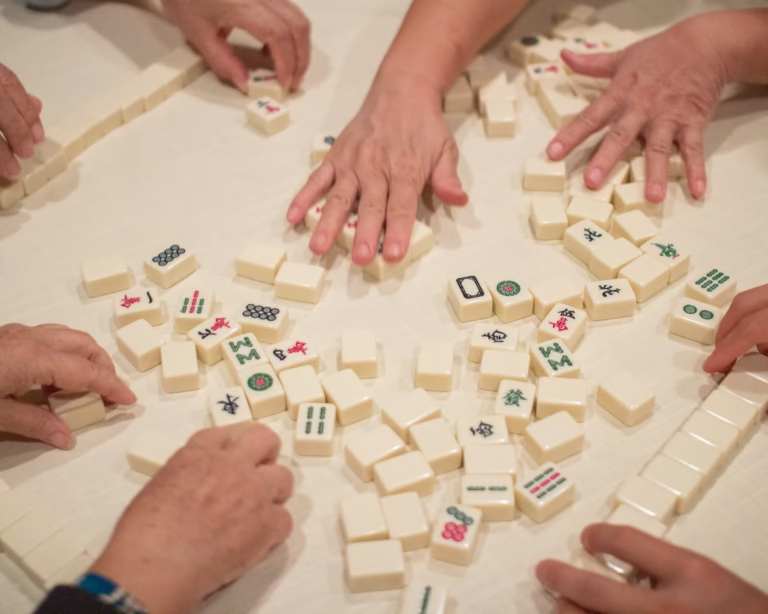
Mahjong holds value as a meaningful activity in nursing homes when introduced thoughtfully. The game supports social engagement, cognitive stimulation, and cultural familiarity, especially for residents who grew up playing it. Structured sessions with time limits, non-monetary play, and staff facilitation reduce risk and promote positive interaction. When guided properly, Mahjong becomes a tool for engagement rather than a source of harm.
Good practice in care settings includes:
- Limiting session duration and encouraging movement breaks
- Prohibiting gambling or cash betting
- Matching players by cognitive and functional ability
- Using simplified rules for residents with impairment
- Observing emotional responses and group dynamics
Conclusion
Mahjong holds deep cultural, social, and emotional meaning for many older adults. The game offers mental stimulation, companionship, and continuity with past life experiences. Balanced use within supportive environments allows older adults to enjoy these benefits without compromising physical health or emotional well being. In nursing homes and community settings, Mahjong works best as a guided and inclusive activity that respects individual limits while nurturing connection and joy.