
Page Contents
Chronic Obstructive Pulmonary Disease, or COPD, affects how older adults breathe, move, and live each day. Many dismiss early symptoms as normal ageing. Breathlessness creeps in. Daily tasks turn difficult. A simple cough lingers. COPD often stays hidden until a crisis leads to hospital admission. Understanding COPD early helps you spot risk, act sooner, and protect independence as people age.
Prevalence of COPD
COPD affects millions of older adults worldwide. Recent global analyses report nearly 100 million prevalent cases in older adults in 2021. Case numbers have risen since 1990. COPD remains a leading cause of death and hospital use among older people. In Singapore COPD appears among the top causes of death and affects roughly 5 – 6% of the population, with higher rates in those aged 55 and older.
COPD affects both men and women, with clear gender differences in older age groups. Historically, older men showed higher prevalence due to higher smoking rates. This gap has narrowed. Smoking rates among women increased over past decades. Exposure to indoor air pollution from cooking fuels also affects older women, especially in Asian settings.
Women often develop COPD with lower lifetime tobacco exposure. Lung size differences and hormonal factors play a role. Older women report worse breathlessness and lower quality of life at similar lung function levels. Men show higher mortality rates. Women experience higher exacerbation frequency and anxiety related to breathlessness.
How does COPD happen?
COPD develops when long term exposure to lung irritants injures airways and alveoli. Inflammation narrows airways. Elastic tissue in the lungs breaks down. Two main clinical patterns exist. Chronic bronchitis produces persistent cough and mucus. Emphysema destroys air sacs and causes breathlessness. Many patients show mixed features of both patterns. Clinicians also describe COPD with features of asthma in some patients.
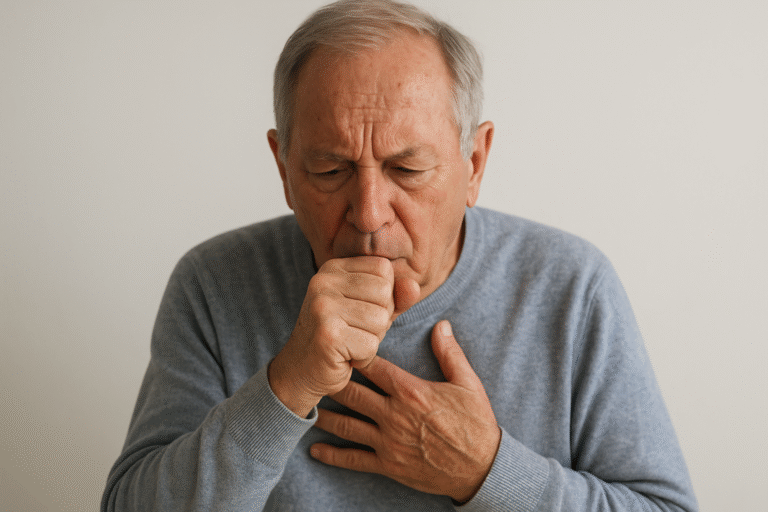
Risk factors of COPD
COPD develops slowly. Most risk factors act over decades and often go unnoticed until breathing problems appear.
- Tobacco smoking
Primary cause in older adults. Risk rises with duration and pack years. Effects persist even after quitting. - Secondhand smoke
Chronic exposure damages airways. Common in shared housing and caregiving settings. - Indoor and outdoor air pollution
Cooking fumes, incense, traffic exhaust, and haze irritate lungs over years. - Occupational exposure
Dust, chemicals, and fumes from construction, manufacturing, or cleaning work increase risk. - Recurrent respiratory infections
Frequent infections earlier in life reduce lung reserve in older age. - Ageing lungs
Natural decline in lung elasticity and immune response increases vulnerability. - Genetic factors
Alpha-1 antitrypsin deficiency causes early onset disease in a small group.
Signs and symptoms
Symptoms often start subtly. Many older adults adapt unknowingly until daily function declines.
- Progressive breathlessness
Occurs first during exertion. Later affects basic activities such as dressing or walking. - Chronic cough
Often persistent. Frequently dismissed as smoker’s cough or ageing.

- Sputum production
Daily mucus suggests chronic bronchitis. Colour change signals infection. - Wheezing and chest tightness
Reflect airway narrowing. Often worse at night or during infections. - Fatigue and reduced stamina
Low oxygen delivery limits endurance and daily function. - Frequent chest infections
Longer recovery time. Often triggers hospital admission. - Weight loss and muscle wasting
Seen in advanced disease. Linked to poor prognosis. - Acute exacerbations
Sudden symptom worsening. Major cause of decline, hospitalization, and mortality.
Clinical implications of COPD
COPD affects more than the lungs. In older adults, the disease shapes function, safety, and long term care needs.
- Reduced daily function. Breathlessness limits walking, bathing, and dressing. Independence declines over time.
- Higher fall risk. Weakness and low oxygen levels increase dizziness and falls.
- Frequent hospital visits. Flare ups lead to repeated admissions. Each admission worsens physical strength.
- Multiple health problems. Heart disease, diabetes, anxiety, and depression often coexist and complicate care.
- Cognitive changes. Low oxygen and infections affect memory and attention. Delirium risk rises during illness.
- Medication challenges. Multiple inhalers and complex regimens reduce adherence and effectiveness.
- Weight and muscle loss. Poor intake and high energy use lead to frailty and slower recovery.
- Need for care planning. Advanced disease requires early discussion on goals of care and comfort focused support.
Treatments for COPD
Treatment aims to reduce symptoms, prevent exacerbations, and preserve function.
- Smoking cessation remains the single highest impact intervention.
- Bronchodilators reduce breathlessness.
- Inhaled corticosteroids help those with frequent exacerbations.
- Pulmonary rehabilitation improves exercise tolerance and quality of life.
- Oxygen therapy helps selected patients with low blood oxygen.
- Vaccination and prompt treatment of infections lower risk of exacerbations.
- In advanced disease, palliative approaches focus on symptom relief and maintaining comfort.
Prevention strategies
Prevention starts early and continues across the lifespan.
- Smoking avoidance remains the most effective step. Support smoking cessation at every age. Stopping smoking slows lung damage and reduces flare ups, even in later life. Protect older adults from secondhand smoke at home and in care settings.
- Reduce exposure to polluted air. Improve ventilation during cooking. Avoid incense and strong fumes indoors. Limit outdoor activity during haze periods. Use masks when air quality drops. Workplace protection matters for older adults still employed or exposed through informal work.
- Prevent lung infections. Ensure timely influenza and pneumococcal vaccination. Treat chest infections early and fully. Encourage hand hygiene and infection control practices in community and residential care settings.
- Promote healthy ageing. Support regular physical activity to preserve lung and muscle strength. Address nutrition to maintain weight and immunity. Screen older adults with persistent cough or breathlessness using spirometry. Early identification supports timely intervention and preserves independence.
Conclusion
COPD places a heavy burden on older adults, families, and care systems. Symptoms progress quietly. Many reach care only after repeated hospital admissions. Early recognition changes outcomes. Timely diagnosis allows symptom control, fewer exacerbations, and slower functional decline.
Effective management extends beyond inhalers. Smoking cessation, vaccination, pulmonary rehabilitation, nutrition support, and caregiver education work together to preserve independence. Attention to comorbidities, frailty, and cognition improves safety and quality of life.
For the elderly, COPD care must remain proactive and person focused. Clear care planning, early palliative involvement, and realistic goal setting support dignity as disease advances. With structured prevention and integrated care, older adults with COPD live longer, function better, and maintain control over daily life.