
Page Contents
Many older adults live in nursing homes to receive nursing care beyond what untrained caregivers provide. Examples include wound care, tube feeding, complex medication, and dementia supervision.
For many families, placement reflects need, not choice. Over time, the facility becomes the resident’s main living space. For some, it becomes home.
Current practice and reasons for restriction
Most nursing homes limit residents from leaving freely. Exit usually requires permission, supervision, or family involvement. This approach focuses on safety of the residents.
Key considerations include:
- Risk of falls outside the facility
- Cognitive impairment and wandering
- Medical instability
- Legal duty of care
- Limited staffing to supervise outings
Benefits of keeping residents within the facility include predictable routines, faster response to emergencies, and lower risk exposure. Families and regulators expect these outcomes from the nursing home operators.
The residents’ perspective
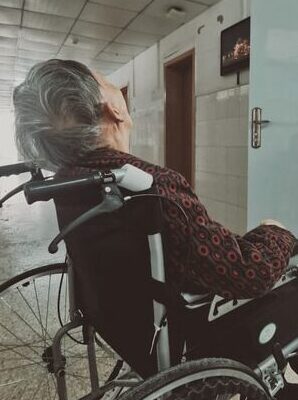
For many residents, admission into a nursing home marks a major life shift. The building replaces their flat. Staff replace neighbours. Schedules replace personal routines. When movement becomes restricted, residents often feel loss beyond physical space. They lose choice. They lose spontaneity. They lose control over small daily decisions, such as stepping outside for fresh air or visiting a nearby shop.
Many residents retain mental capacity and understand risk. They managed households, raised families, and worked for decades. Sudden restriction feels infantilising. Asking permission to leave one’s own home creates frustration and quiet resentment. Over time, residents stop asking. This silence often appears as compliance, though inside it reflects disengagement.
Freedom of movement links closely to dignity. Being trusted to decide where and when to go affirms personhood. Residents who move freely often maintain stronger identity and purpose. A short walk outside, a familiar coffee shop, or a visit to a place of worship provides continuity with life before admission. These experiences reduce institutional fatigue and improve emotional wellbeing.
For residents with partial dependence, restriction often accelerates decline. Reduced walking leads to muscle loss. Limited exposure shrinks confidence. Fear replaces ability. When residents perceive the nursing home as a place of containment, motivation drops. Care becomes something done to them, not with them.
Seeing through the resident’s eyes reframes the debate. The question shifts from control to respect. Nursing homes exist to support living, not to pause life. When you recognise the facility as the resident’s home, freedom of movement becomes an ethical consideration, not a privilege.
Possibility of allowing freedom?
Allowing residents freedom to enter and exit freely requires structured thinking. This approach suits some residents, but definitely not all. The decision starts with individual assessment rather than blanket policy. Freedom works best when staff understand who the resident is, how the resident functions, and what level of risk the resident understands and accepts.

Key considerations include:
- Mental capacity and insight
You assess understanding of direction, purpose, and risk. Insight often matters more than diagnosis. - Mobility and fall risk
You review outdoor walking ability, endurance, use of aids, and response to uneven surfaces. - Medical stability
You consider likelihood of sudden deterioration away from supervision, not diagnosis alone. - Time of day and duration
Daytime and shorter outings reduce exposure and allow faster response. - Tracking and return plans
You ensure identification, emergency contacts, and clear steps if return delays occur. - Consent and documentation
You record shared decisions, agreed limits, and review points with residents and families.
How facilitation might work?
Freedom requires support systems. Structure reduces risk and builds confidence among staff, residents, and families. Facilitation works best when freedom becomes part of routine care, not an exception.
Key enablers include:
- Risk stratification and eligibility criteria
You group residents by capacity, mobility, and medical stability rather than diagnosis alone. - Personalised mobility plans
You define where residents go, how long, and what support they need. - GPS or identification tools
You use trackers or ID cards for selected residents to support safe return. - Volunteer escorts
You engage trained volunteers for walks, errands, and social outings. - Family involvement
You invite families to participate in regular outings and shared responsibility. - Community partnerships
You link with nearby shops, community centres, and religious spaces to extend informal supervision. - Staff training
You equip staff to support positive risk taking rather than default restriction.
Weighing risk against benefit
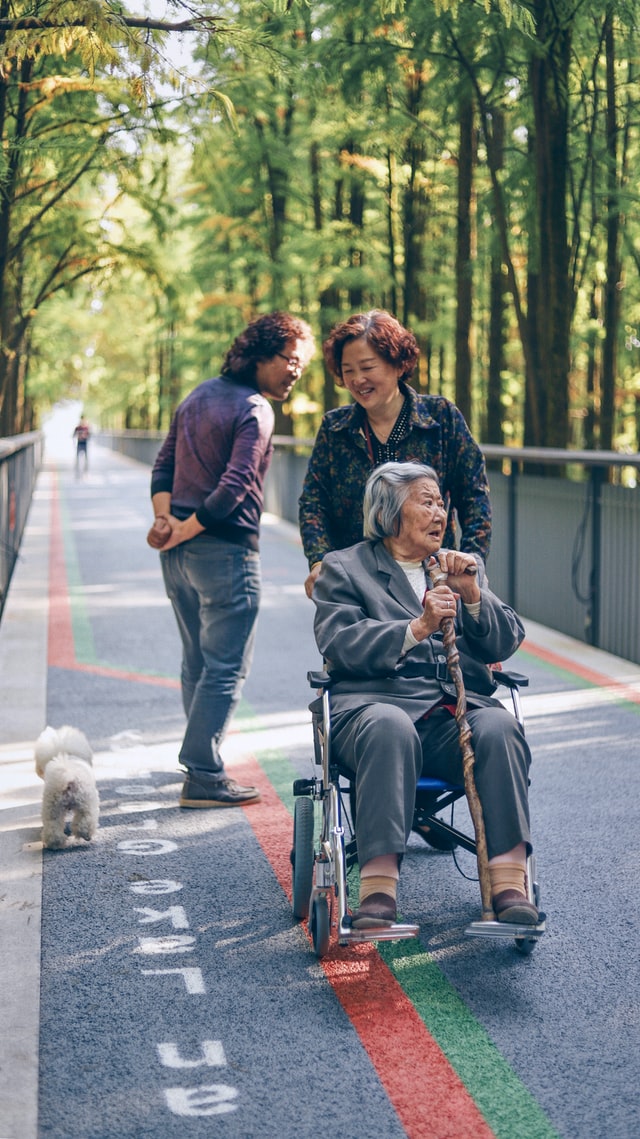
Every care decision carries risk. Keeping residents within the facility reduces visible incidents, yet it also creates hidden costs. Loss of autonomy often leads to frustration, low mood, withdrawal, and behavioural distress. Over time, reduced movement contributes to deconditioning, poorer balance, and higher fall risk inside the home itself. Freedom of movement supports identity, purpose, and self worth. Residents who feel trusted often engage better with care and routines.
Risks linked to freer movement are real. Falls, disorientation, medical events, and delayed response remain valid concerns. These risks increase among residents with cognitive impairment, poor mobility, or unstable medical conditions. Yet risk does not disappear through restriction. Instead, risk shifts location. The question shifts from avoiding risk to managing risk responsibly. When you assess capacity, document decisions, and put support systems in place, you convert uncontrolled risk into shared, planned risk. For suitable residents, the benefits of autonomy, physical activity, and social connection often outweigh the additional exposure.
Conclusion
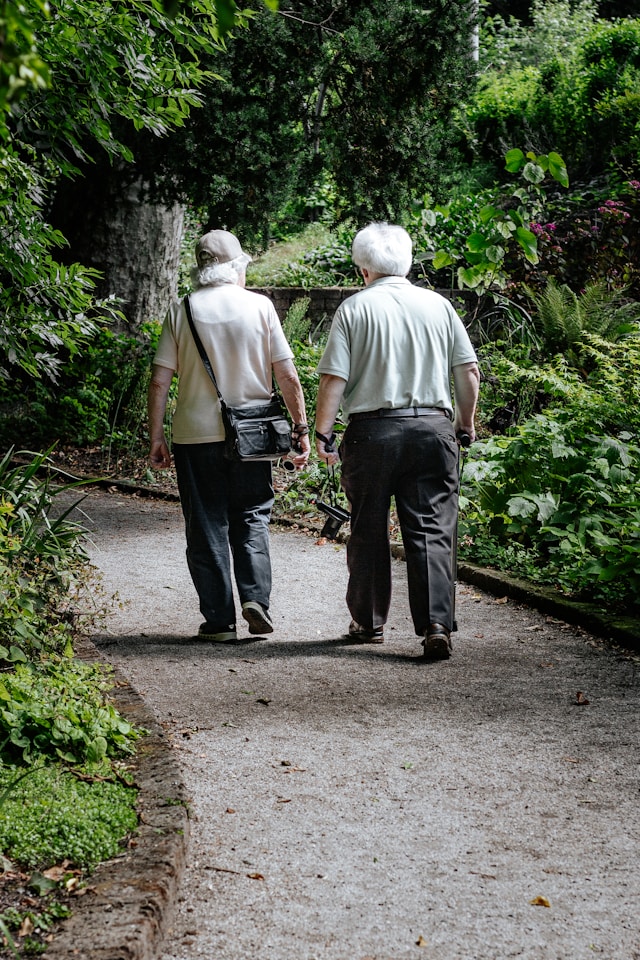
Should nursing homes allow freer movement. A universal answer does not exist. A blanket restriction also fails many residents. A balanced approach respects safety while valuing autonomy. Thoughtful assessment, shared decision-making, and community support create space for progress. Nursing homes exist to care, not to confine. You serve residents best when safety and dignity move forward together.