
Page Contents
The start of 2026 offers a clean page and a clear choice. Make happiness a deliberate goal rather than a distant wish. Happiness links closely with how well and how long a person lives as the years pass. Older adults who wake up with purpose, connection, and emotional balance often age with greater ease and dignity. When joy becomes a daily practice, longevity follows as a natural outcome rather than an obsession.

Statistics
Global patterns support this relationship between happiness and longer life. Nations reporting higher happiness levels often record longer life expectancy among older adults.
- Nordic countries such as Finland and Denmark show strong social trust, low isolation, and high life satisfaction, with average life expectancy above 81 years.
- Japan places strong value on community, routine, and respect for ageing, and continues to report one of the longest life expectancies globally at over 84 years.
- Singapore demonstrates how safety, healthcare access, and family ties support both longevity and life satisfaction, with life expectancy exceeding 83 years.
These examples show a consistent trend. Where people feel supported and valued, they live longer and age better.
What happiness looks like in later life
Happiness in later life rarely comes from wealth or status. It grows from inner stability and the well being of loved ones.
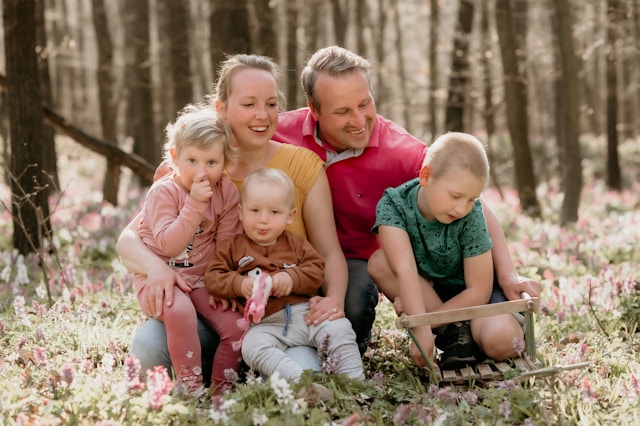
- Many older adults find deep contentment in seeing their children and grandchildren stay united, care for one another, and build strong, healthy families. Family harmony brings peace of mind and a sense of life well lived.
Physical health supports happiness, yet emotional calm and steady routines matter just as much. Maintaining mobility, proper nutrition, and regular checkups helps the body function well, but emotional stability gives older adults the strength to enjoy life fully. Simple daily routines, like morning stretches, regular meals, or evening reflection, create predictability that reduces stress and builds a sense of safety, which in turn nurtures lasting contentment.
A less calculative mindset allows relationships to remain warm and uncomplicated. When older adults stop measuring every action, weighing favours, or keeping mental scores, interactions become more natural and forgiving. Letting go of judgment and expectation frees both themselves and others to engage with honesty, patience, and understanding, which strengthens bonds and reduces emotional friction.
A giving mentality, expressed through guidance, care, or quiet support, reinforces purpose and self worth. Contributing time, sharing wisdom, or simply listening to a loved one’s concerns gives older adults a sense of usefulness and belonging. Acts of care, no matter how small, create connection and meaning, making life feel rich and impactful while fostering joy that spreads beyond themselves.
Together, these elements create a form of happiness rooted in love, continuity, and connection across generations.
Simple ways to build happiness daily
Happiness grows through repeated small actions rather than major life changes. These habits feel simple yet produce lasting emotional stability over time.
Express affection through words and gestures, since emotional warmth strengthens both giver and receiver.
Smile often and openly, as facial expression influences mood and social response.
Practice gratitude by naming one positive moment each day, which trains the mind to notice good experiences.
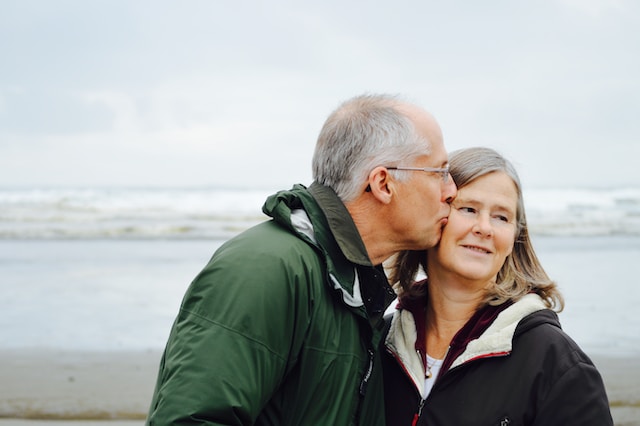
Stay socially active through regular calls, shared meals, or community activities.
Keep routines steady, since predictability creates emotional safety in later life.
Help others in simple ways, as contribution reinforces purpose and belonging.
Benefits of happiness beyond living longer
Happiness supports mental clarity by reducing chronic stress and improving focus. Emotionally, happier older adults recover faster from loss, illness, or change, showing stronger resilience. Physically, positive mood links with better sleep, healthier appetite, and improved immune response. Relationships deepen when emotional balance improves, reducing conflict and loneliness. Overall quality of life rises, making each year feel fuller rather than merely longer.
Conclusion
Ageing does not take control away from your life. Daily choices still shape how each year feels. When happiness becomes a personal goal, health, connection, and meaning grow alongside it. Happiness does not stay contained within one person. A kind word, a calm response, or a shared smile often spreads further than expected.
When you choose happiness, people around you feel it too. Start 2026 with intention and optimism. Age well by living with joy, and let your happiness lift others along the way.