Traumatic brain injury, TBI, refers to damage to the brain caused by an external force. A blow, jolt, or rapid movement disrupts normal brain function. In older adults, TBI leads to higher rates of disability, institutionalisation, and death. Age-related brain atrophy, frailty, and chronic disease increase susceptibility. Recovery is often prolonged. Complications occur more frequently than in younger adults.
Prevalence in older adults globally
TBI represents a growing public health burden among older adults worldwide. Adults aged 65 years and above account for more than one third of global TBI hospitalisations. Incidence rises steeply after age 75. Mortality rates are up to two times higher compared with younger populations. Falls remain the leading cause across regions. Low- and middle-income countries report increasing cases due to rapid population ageing and limited fall prevention infrastructure.
Different types of TBI
TBIs vary in severity and structural damage. Common types include:
Concussion. Mild injury with transient neurological dysfunction.
Cerebral contusion. Focal bruising of brain tissue.
Subdural hematoma. Venous bleeding common in older adults due to cerebral atrophy.
Epidural hematoma. Arterial bleeding between skull and dura.
Diffuse axonal injury. Widespread shearing injury linked to poor prognosis.
Causes of TBI
Causes in later life differ from younger age groups. Major contributors include:
Falls. Bathroom incidents, bed-related falls, and outdoor trips.
Road traffic injuries. Pedestrian accidents and vehicle collisions.
Interpersonal violence. Less frequent but associated with severe injury.
TBI in older adults results in profound clinical consequences. Functional decline occurs frequently. Many individuals experience loss of mobility and self-care ability. Risk of delirium, long-term cognitive impairment, and dementia increases. Hospital length of stay is longer. Readmission and institutionalisation rates are high. One-year mortality remains substantial, particularly in cases involving intracranial hemorrhage and multiple comorbidities.
Treatments for TBI
Management depends on injury severity and underlying pathology. Core strategies include:
Rehabilitation. Physiotherapy, occupational therapy, speech and cognitive therapy.
Coordinated care. Integration of geriatric, neurology, rehabilitation, and nursing teams.
How to prevent?
Prevention focuses on reducing fall risk and environmental hazards. Effective measures include:
Home safety modification. Grab bars, non-slip flooring, improved lighting.
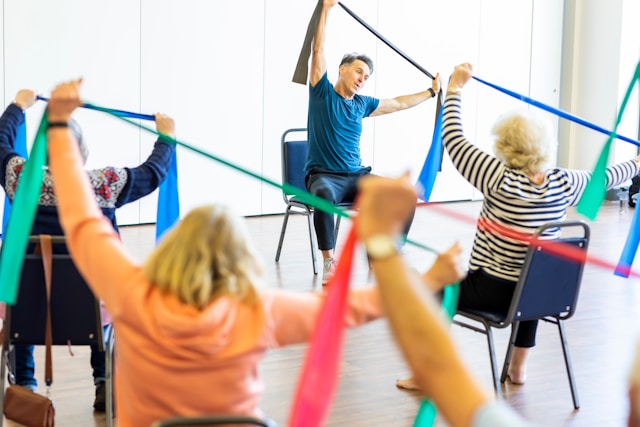
Strength and balance training. Structured exercise and balance programs.
Medication optimisation. Reduction of sedatives and high-risk drugs.
Vision and hearing correction. Early identification of sensory impairment.
Appropriate footwear. Stable shoes with adequate grip.
Education initiatives. Fall awareness for older adults and caregivers.
Conclusion
Traumatic brain injury in older adults demands urgent attention. Ageing populations will continue to drive rising incidence and healthcare burden. Outcomes are often severe, prolonged, and life-altering. Early recognition, prompt treatment, and structured rehabilitation determine long-term function. Prevention remains the most effective intervention. Strong fall prevention strategies, medication review, and environmental safety protect brain health and preserve dignity in later life.
Dementia is a generic term that is used to describe a range of symptoms associated with cognitive and behavioural impairment. Some people with dementia cannot even control their emotions, and…
Diabetes mellitus, commonly known as diabetes, it is a chronic metabolic disease that caused by impairment in sugar processing (by insulin) in the body and thus causing high sugar content…