
Page Contents
Acute Respiratory Distress Syndrome, commonly known as ARDS, is a sudden and severe form of lung failure in which fluid leaks into the air sacs and disrupts normal oxygen exchange. As oxygen levels fall rapidly, vital organs such as the brain, heart, and kidneys begin to suffer damage.
In older adults living in nursing homes, ARDS often marks a rapid transition from relative stability to critical illness, creating distress for families, pressure for frontline staff, and strain across healthcare systems.
Prevalence of ARDS
Although ARDS occurs across all age groups, older adults experience significantly higher rates of complications and mortality. Hospital and intensive care unit data consistently show poorer outcomes among patients above the age of 65. Nursing home residents face compounded risk due to frailty, multiple chronic illnesses, impaired mobility, and delayed recognition of deterioration. These recurring patterns suggest a broader public health and policy challenge rather than isolated clinical incidents.
ARDS vs COPD
ARDS and Chronic Obstructive Pulmonary Disease (COPD) both impair breathing, yet they differ in onset, cause, and management. ARDS develops rapidly over hours or days following a severe insult to the lungs or the body. COPD develops gradually over many years due to long term airway damage, most often related to smoking or environmental exposure. ARDS reflects acute injury to lung tissue and requires immediate hospital based intervention, while COPD management focuses on long term disease control and prevention of exacerbations. Confusion between these conditions often delays urgent escalation of care for ARDS.
Types of ARDS
ARDS is commonly classified based on whether lung injury occurs directly or indirectly.
- Direct lung injury ARDS arises from conditions such as pneumonia, aspiration of food or stomach contents, or inhalation injury.
- Indirect lung injury ARDS develops as a consequence of systemic conditions such as sepsis, severe trauma, pancreatitis, or major surgery.
In nursing home settings, many cases trace back to preventable events including delayed infection detection or inadequate feeding support, highlighting weaknesses in care processes.
What causes ARDS?
Severe infection remains the most common trigger for ARDS in older adults. Pneumonia, urinary tract infections, and bloodstream infections often progress before timely escalation occurs. Aspiration during feeding is common among residents with stroke related swallowing impairment or advanced dementia. Post operative complications, medication reactions, and transfusion related lung injury further increase risk. These causes reflect the interaction between biological vulnerability and system design rather than inevitable ageing.
Signs and symptoms
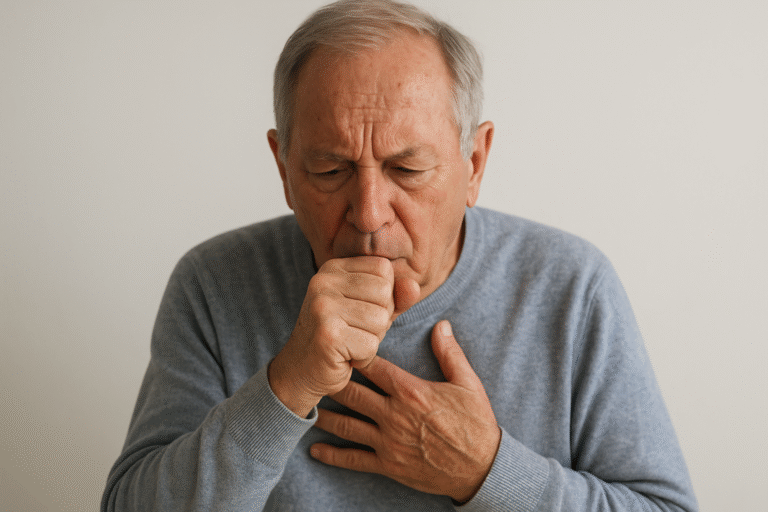
Early signs of ARDS include rapid breathing, increasing breathlessness, and falling oxygen saturation levels despite supplemental oxygen. As the condition progresses, individuals may develop confusion, agitation, bluish discoloration of the lips or fingers, and low blood pressure due to organ failure. Older adults deteriorate more quickly because ageing organs have reduced physiological reserve. Cognitive impairment often masks early symptoms, while frailty limits the ability to recover once severe illness sets in.
Treatment for ARDS
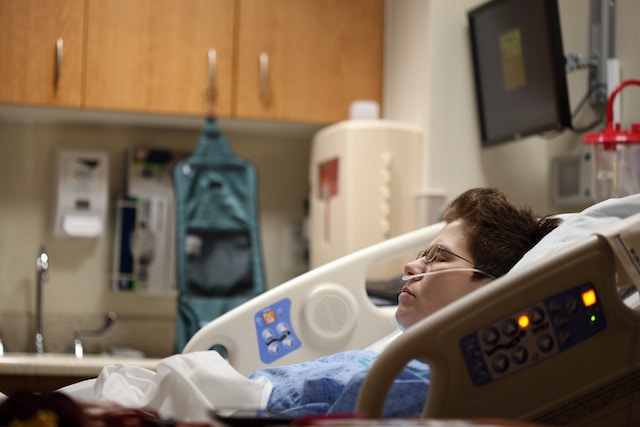
Treatment for ARDS takes place in hospital intensive care units and requires advanced organ support. Patients receive high flow oxygen or mechanical ventilation alongside treatment for the underlying cause such as infection or sepsis. Recovery trajectories vary widely. Some individuals regain lung function within weeks, while many older survivors experience prolonged weakness, persistent breathlessness, and cognitive decline. These long term effects often increase care dependency and place sustained demands on families and long term care systems.
How to prevent ARDS?
Preventing ARDS in nursing homes requires coordinated action beyond individual clinical care. Vaccination programs and infection control measures reduce the risk of severe respiratory illness. Early detection protocols and clear escalation pathways allow timely hospital transfer. Safe feeding practices and swallowing assessments reduce aspiration risk. Optimising chronic disease management lowers baseline vulnerability. These measures depend on adequate staffing, training, and regulatory oversight, which fall squarely within policy responsibility.
Conclusion
Living with awareness and readiness ARDS in nursing homes reminds families and communities that ageing bodies respond differently to illness. Awareness of early breathing changes, prompt communication with care teams, and realistic expectations about recovery shape better decisions during crises. Conversations about goals of care and treatment preferences gain urgency in this context. When families stay informed and engaged, older adults receive care that aligns more closely with comfort, dignity, and informed choice.