
Page Contents
When people think of a nursing home, they often picture a place where frail older adults receive nursing care until the end of life. Many assume that once an elderly person is admitted, the responsibility shifts entirely to the nursing home.
A nursing home is not simply a place that provides beds, meals, medications, and nursing care. It is a place that supports people through one of the most vulnerable stages of life. More importantly, it serves not only the residents, but also the families who entrust their loved ones to us.
This raises an important question. Who are the nursing home’s customers? The answer is more complex than many realise.
Nursing homes serve different groups of older adults
Not every nursing home resident has the same goals of care.
Some residents are admitted following an acute illness, surgery, or hospitalisation. They still possess rehabilitation potential and hope to regain enough function to return home. For these individuals, the nursing home’s role extends beyond providing nursing care. We focus on active rehabilitation, self-reliance support, and restoring confidence. Every improvement in walking, eating, dressing, or toileting brings them one step closer to returning to the community.
Other residents have advanced dementia, severe frailty, progressive neurological diseases, or multiple chronic conditions that make independent living no longer possible. For them, the goal shifts from recovery to maintenance. We provide long-term nursing care, maintenance rehabilitation, symptom management, and emotional support while preserving comfort, dignity, and quality of life.
Although the goals differ, both groups deserve care that respects their individuality, abilities, and personal wishes.
Residents are our primary customers. Families are our partners.
Residents remain at the centre of everything we do. Every care decision should protect their dignity, safety, and quality of life.
At the same time, their next-of-kin are equally important. Families often carry enormous emotional burdens. Many struggle with guilt after making the difficult decision to admit a parent into a nursing home. Others worry whether they have made the right choice or fear being judged by relatives and friends.
A nursing home should therefore care for families as well as residents. This means keeping families informed, involving them in care planning, listening to their concerns, and preparing them for future transitions. For residents who improve and are able to return home, discharge planning becomes a shared effort. Families need education, practical caregiving skills, and confidence to continue supporting their loved ones in the community. The nursing home should never replace the family. Instead, it should strengthen the family’s ability to care.
Every admission represents trust
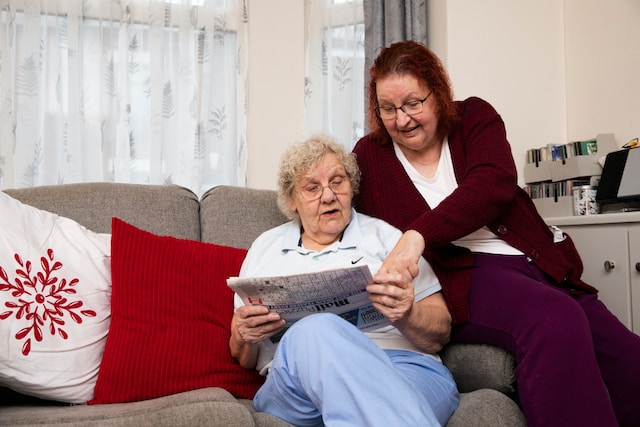
When a family admits a loved one into a nursing home, they are doing far more than signing admission forms. They are placing years of memories, responsibilities, and emotional attachment into the hands of strangers. That trust cannot be taken for granted.
Every conversation, every medication administered, every meal served, and every interaction with a resident either strengthens or weakens that trust. Good nursing homes understand that clinical competence alone is not enough. Compassion, communication, and transparency are equally important.
When families become distant
Unfortunately, we occasionally encounter situations where residents receive few or no visitors after admission. Some families gradually lose contact. Others become difficult to reach when important decisions need to be made. In rare situations, nursing fees remain unpaid despite repeated attempts to communicate.
While these situations are disappointing, it is important not to make assumptions. Every family has its own story. Some face financial hardship, caregiver burnout, fractured relationships, illness, or work commitments that limit their ability to visit.
Regardless of the circumstances, nursing homes should continue reaching out, encouraging communication, and supporting family involvement whenever possible. For many residents, maintaining family connections remains one of the strongest contributors to emotional well-being.
The families who inspire us
Fortunately, we also witness many inspiring examples of family commitment.
Some sons and daughters visit every day after work. Some spouses continue sharing meals together despite advanced dementia. Grandchildren celebrate birthdays, festivals, and milestones with residents. Family members often become familiar faces to other residents and families, creating a warm and supportive community within the nursing home.
These visits do more than brighten a resident’s day. They reduce loneliness, preserve family bonds, reinforce identity, and remind residents that they remain valued members of their families. A nursing home should encourage this sense of belonging rather than unintentionally replacing it.
Building lasting relationships with families
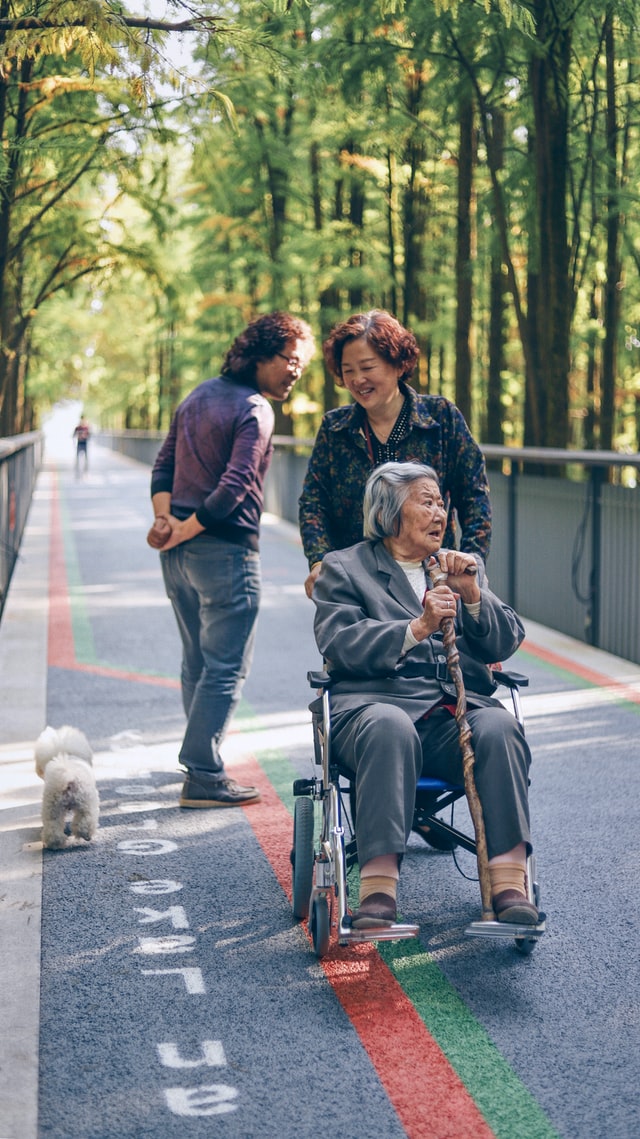
Excellent nursing homes do not wait until problems arise before speaking with families. Strong relationships are built through regular communication, honesty, and mutual respect.
Administrators and care teams should know their residents’ families, understand their expectations, and welcome their feedback. Family meetings, care conferences, education sessions, support groups, and community events create opportunities to build trust long before difficult decisions become necessary.
Families who feel heard are more likely to become active partners in care rather than passive observers. Ultimately, the best outcomes occur when residents, families, and healthcare professionals work towards the same goal.
Conclusion
Who are the nursing home’s customers? The simplest answer is both the residents and their families.
Residents depend on us for safe, compassionate, and person-centred care. Families depend on us for guidance, communication, reassurance, and partnership during one of life’s most challenging journeys.
A successful nursing home is not measured solely by clinical outcomes or regulatory compliance. It is measured by the trust it builds, the relationships it nurtures, and the dignity it preserves.
When nursing homes and families work hand in hand, residents receive something far greater than professional care. They receive the combined strength of skilled caregivers and the enduring love of those who know them best.