
Page Contents
Deconditioning refers to the gradual decline in physical, cognitive, and functional abilities resulting from inactivity, prolonged bed rest, illness, or reduced participation in daily activities. Simply put, the body begins to lose abilities that it no longer uses.
The phrase “use it or lose it” accurately describes this process. Muscles become weaker, balance deteriorates, joints stiffen, and everyday tasks become increasingly difficult. Over time, even activities such as walking, dressing, eating, or getting out of bed may require assistance.
Although deconditioning is common after hospitalisation or prolonged illness, it can also develop gradually in older adults who become increasingly inactive due to fear of falling, chronic diseases, or overdependence on caregivers.
How common is deconditioning?
Deconditioning is one of the most common yet under-recognised problems affecting older adults.
Studies estimate that up to one-third of community-dwelling older adults experience some degree of physical deconditioning. The prevalence is even higher among hospitalised patients and nursing home residents, where prolonged immobility and multiple chronic illnesses are common.
Research has shown that healthy older adults can lose up to 5% of their muscle strength after only one week of bed rest. Following hospitalisation, many elderly patients never fully regain their previous level of function, increasing the likelihood of long-term care admission.
As populations continue to age worldwide, preventing deconditioning has become a major focus of modern geriatric medicine and rehabilitation.
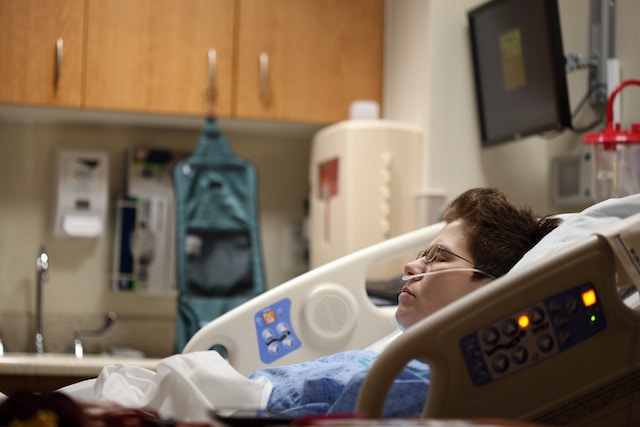
Different types of deconditioning
Deconditioning affects more than just muscle strength. It can involve several aspects of an older person’s health. These forms of deconditioning often occur together and reinforce one another.
- Physical deconditioning
This is the most common form and includes loss of muscle mass, reduced strength, poorer balance, decreased flexibility, and reduced endurance. - Functional deconditioning
Older adults gradually lose the ability to perform activities of daily living such as bathing, dressing, toileting, transferring, and eating independently. - Cognitive deconditioning
Reduced mental stimulation, prolonged inactivity, and social isolation may contribute to poorer memory, attention, problem-solving, and overall cognitive function. - Psychosocial deconditioning
Older adults may lose confidence, motivation, and social engagement. Some develop anxiety about movement or become increasingly dependent on others despite retaining physical ability.
Natural causes of deconditioning
Some degree of decline occurs naturally with ageing.
Muscle mass decreases gradually from around the age of 40, while bone density, cardiovascular fitness, and balance also decline over time. Chronic conditions such as arthritis, heart disease, stroke, Parkinson’s disease, and dementia further reduce physical activity.
Hospitalisation is another major contributor. Older adults confined to bed during illness often experience rapid muscle loss, particularly in the legs. Pain, fatigue, poor nutrition, depression, and fear of falling also discourage movement and accelerate functional decline.
Although these factors cannot always be avoided, many of their effects can be reduced through early intervention and regular activity.
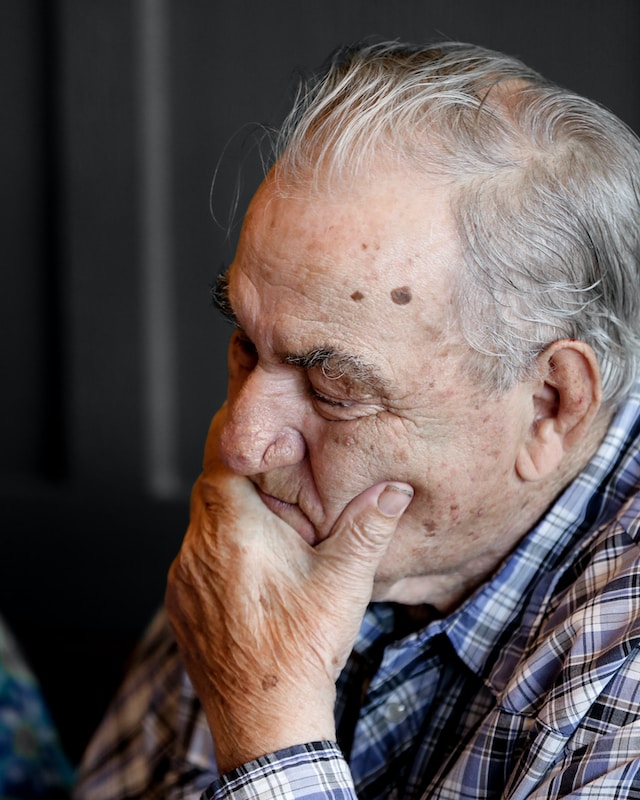
Caregiver-related causes of deconditioning
Not all deconditioning is caused by disease. Sometimes, well-intentioned caregiving unintentionally contributes to functional decline.
When caregivers perform every task for an older person, opportunities to maintain independence gradually disappear. While this approach may save time or reduce immediate risks, it often accelerates long-term dependence.
Examples include:
- Using diapers routinely instead of assisting residents to the toilet.
- Feeding residents who are still able to feed themselves.
- Dressing residents instead of encouraging participation.
- Using wheelchairs when residents are capable of walking short distances.
- Keeping residents in bed to prevent falls.
- Applying physical restraints unnecessarily.
- Completing household tasks without involving older adults.
- Discouraging movement because it appears slower or less efficient.
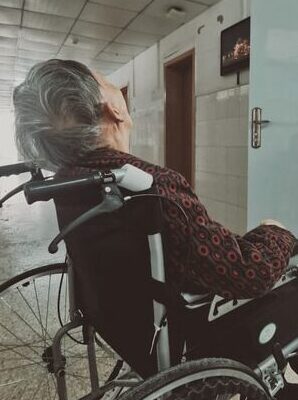
These practices reduce opportunities for older adults to use their remaining abilities. Over time, muscles weaken, confidence declines, and independence is gradually lost. Good caregiving should support ability rather than replace it.
What are the implications?
The consequences of deconditioning extend well beyond physical weakness.
Older adults with deconditioning are more likely to experience falls, fractures, pressure injuries, urinary incontinence, constipation, malnutrition, and hospital readmissions. They often become increasingly dependent on caregivers for everyday activities, reducing their confidence and self-esteem.
Social participation also declines. As mobility decreases, older adults may stop attending activities, spending time with friends, or engaging in hobbies they once enjoyed. This increases the risk of loneliness, depression, and cognitive decline.
Ultimately, deconditioning affects dignity, independence, and quality of life. What begins as a short period of inactivity can lead to long-term disability if not addressed promptly.
What can we do about it?
The good news is that deconditioning is often preventable and, to some extent, reversible.
The key is to encourage older adults to remain as active and independent as possible. Care should focus on supporting what they can do rather than automatically doing everything for them.
Practical strategies include:
- Encourage walking and regular physical activity according to individual ability.
- Promote independence in dressing, bathing, eating, and toileting.
- Avoid unnecessary bed rest and prolonged wheelchair use.
- Minimise the use of diapers and physical restraints whenever safe alternatives exist.
- Provide balanced nutrition and adequate hydration to support muscle health.
- Engage older adults in meaningful activities that stimulate both the body and mind.
- Involve physiotherapists, occupational therapists, speech therapists, nurses, and family members in rehabilitation.
- Set realistic goals and celebrate small improvements.
Every small activity matters. Standing up during meals, walking to the bathroom, folding laundry, or watering plants may seem simple, but together they help preserve strength, confidence, and independence.
The goal is not to make every older adult fully independent. Rather, it is to help each person achieve and maintain their highest possible level of function.
Conclusion
Deconditioning is not an inevitable consequence of ageing. In many cases, it develops because older adults stop using the abilities they still possess. While illness and age-related changes play a role, caregiving practices can either slow or accelerate this process.
As healthcare professionals, caregivers, and family members, we should ask ourselves one simple question before offering help: “Can this older person still do part of this task independently?”
Supporting older adults to remain active, make choices, and participate in daily life preserves far more than physical strength. It preserves dignity, confidence, purpose, and quality of life. Sometimes, the greatest act of care is not doing more for an older person, but helping them continue doing more for themselves.
Caring for our ageing loved ones is a journey filled with questions, challenges, and important decisions. If you are supporting an elderly parent or caring for someone with memory loss, you may be interested in my ebooks:
- When They Need You
- When the Mind Fades
- When the Pills Multiply
- When the Road Narrows
These ebooks provide practical guidance, compassionate insights, and real-world advice for families and caregivers.

To learn more about these books and explore additional resources on ageing and eldercare, click the link Here to visit my ebook page. You do not have to navigate the ageing journey alone.