
Page Contents
Incontinence is one of the most common issues seen in nursing homes. Many people assume it is a normal part of ageing, but this is not accurate. Incontinence refers to the loss of control over bladder or bowel function. It can present as occasional leakage, sudden urgency, or complete inability to hold urine or stool.
In daily care, this condition affects dignity, increases caregiver burden, and exposes the elderly to risks such as skin breakdown and infection. The impact is not only physical but also psychological, as many older adults experience embarrassment and social withdrawal.
Statistics and trends
Incontinence becomes more common with advancing age and increasing frailty. Studies show that about one in three older women and up to one in five older men experience some form of urinary incontinence. The prevalence rises further in those above 80 years old and is significantly higher in institutional settings such as nursing homes. In some facilities, more than half of residents are affected. The condition is more frequent among those with dementia, reduced mobility, or multiple chronic illnesses. Despite its high prevalence, incontinence remains underreported because many elderly individuals feel ashamed or assume that nothing can be done.
Solutions for incontinence
Managing incontinence requires a structured and individualized approach. The aim is to address underlying causes where possible and reduce complications when cure is not achievable. In daily nursing home practice, the discussion often centres on whether to use a catheter or a diaper, as these are the most immediate and visible management options.

Common strategies include:
- Toileting programs such as scheduled toileting and prompted voiding
- Pelvic floor muscle training to improve bladder control
- Medications for overactive bladder symptoms
- Environmental adjustments to improve toilet access and safety
- Use of absorbent products such as diapers or pads
- Catheterization, either intermittent or long-term, when clinically indicated
Who is suitable for catheter?
Catheter use should always be guided by medical need rather than convenience. It is appropriate in specific clinical situations such as acute urinary retention, severe pressure injuries where urine exposure worsens the wound, end-of-life care for comfort, and cases requiring strict urine output monitoring. It is also used in certain neurological conditions where bladder emptying is impaired.
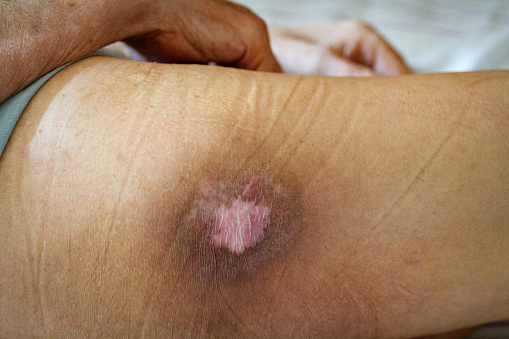
However, catheter use should be avoided in patients who can toilet with assistance or who have mild incontinence. Long-term use increases the risk of urinary tract infections, reduces mobility, and may lead to loss of normal bladder function.
Who is suitable for diaper?
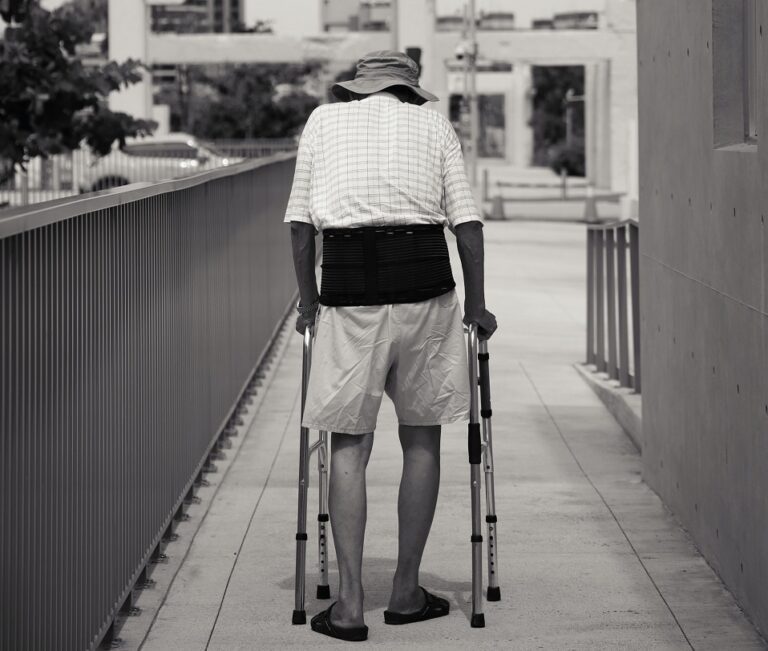
Diapers are supportive tools that help manage symptoms rather than treat the cause. They are suitable for elderly individuals with moderate to severe incontinence, especially those with advanced dementia, limited mobility, or those who are bedbound. They are also useful during acute illness when a patient’s condition is temporarily unstable.
Diapers are non-invasive and easier to manage compared to catheters. However, they require proper care to prevent skin problems and maintain dignity.
How to prevent infection?
Infection prevention is a key priority when managing incontinence, as both catheters and diapers carry risks if not handled properly. Good hygiene practices and timely care make a significant difference in reducing complications.
For catheter care:
- Use only when there is clear clinical indication
- Maintain a closed drainage system at all times
- Perform daily cleaning of the catheter area
- Avoid unnecessary disconnections
- Remove the catheter as early as possible
For diaper care:
- Change promptly after soiling
- Clean and dry the skin thoroughly
- Apply barrier creams to protect the skin
- Monitor regularly for redness or breakdown
General measures:
- Ensure adequate hydration
- Observe for early signs of infection such as fever or confusion
Treatment and lifestyle modification
Incontinence can often be improved with targeted treatment and lifestyle changes. Bladder training helps patients regain control by establishing regular toileting schedules and gradually increasing the interval between voiding. Pelvic floor exercises strengthen the muscles involved in continence and are effective in early or mild cases. Fluid management also plays an important role, where reducing caffeine intake and maintaining appropriate hydration can improve symptoms.
Reversible causes should always be addressed, including constipation, urinary tract infections, and medication side effects. Environmental modifications such as improving access to toilets, providing adequate lighting, and ensuring the use of mobility aids help reduce functional incontinence. In some cases, medications such as antimuscarinic agents or beta-3 agonists are prescribed. Referral to a specialist may be needed for further evaluation and management.
Conclusion
There is no single answer to whether catheter or diaper is better for the elderly. Each option serves a different purpose and should be selected based on the individual’s condition. Catheters should be reserved for clear medical indications due to their higher risk of complications, particularly infections. Diapers are more commonly used for supportive care and are suitable for most residents with incontinence when managed properly.
The focus in elderly care should not be limited to choosing between these two options. Instead, the goal is to preserve dignity, prevent complications, and identify treatable causes of incontinence. With proper assessment and individualized care planning, many elderly individuals can achieve better comfort and quality of life.