
Page Contents
Protein is one of the most important nutrients for the human body. It is made up of amino acids, which are the building blocks needed to repair tissues, maintain muscles, support immunity, and keep the body functioning properly. In older adults, protein becomes even more important because ageing naturally causes loss of muscle mass and strength over time.
The elderly require a balanced intake of several essential nutrients. These include carbohydrates for energy, fats for hormone and brain function, vitamins and minerals for body regulation, fibre for digestion, water for hydration, and protein for maintaining body structure and repair. Among these nutrients, protein often becomes the most neglected in older adults despite being one of the most critical for healthy ageing.
In nursing homes and community care settings, frailty is a common issue. Many elderly individuals become weaker, slower, and less mobile over time. One major contributing factor is inadequate protein intake.
What happens when the body lacks protein?
Protein plays many important roles in the body. It helps maintain muscle mass, supports wound healing, strengthens the immune system, produces enzymes and hormones, and helps the body recover from illness.
When older adults do not consume enough protein, the effects are often more serious compared to younger people. The body starts breaking down muscle for energy, leading to muscle wasting and weakness. This condition is known as sarcopenia, which is common in ageing populations.
Low protein intake in the elderly may lead to:
- Loss of muscle strength
- Increased risk of falls and fractures
- Difficulty walking or standing
- Slower wound healing
- Increased risk of pressure injuries
- Poor immunity and higher infection risk
- Weight loss and frailty
- Longer recovery after illness or hospitalisation
In severe cases, elderly individuals become dependent on others for daily activities because their muscles no longer support normal movement.
Why do elderly people tend to take less protein?
Many older adults consume less protein as they age. This usually happens because they are eating less overall rather than because they are burning more protein. Ageing causes several physical and psychological changes that reduce appetite and food intake.
Common reasons include:
- Poor appetite due to ageing
- Difficulty chewing from dental problems
- Swallowing difficulties
- Reduced sense of taste and smell
- Depression or loneliness
- Dementia causing forgetting to eat
- Fear of choking
- Chronic illnesses causing fatigue
- Financial limitations in some elderly living alone
At the same time, older adults often require more protein than younger adults because their bodies become less efficient at using protein for muscle building and repair. During illness, infection, hospitalisation, or rehabilitation, protein needs increase even further.
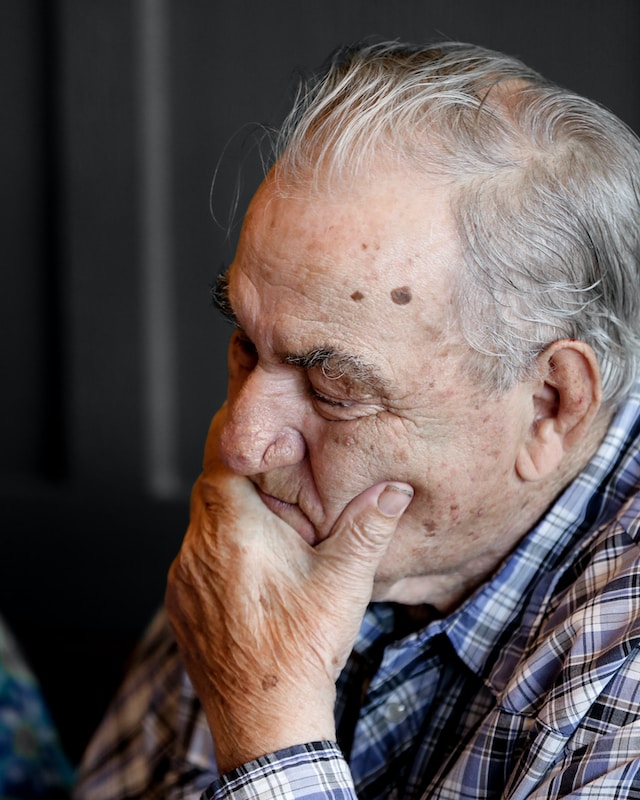
Where can elderly get source of protein?
Protein can come from both animal and plant sources. The key is choosing sources that are nutritious, easy to chew, and suitable for the elderly person’s medical condition and swallowing ability.
Good protein sources include:
- Fish
- Chicken
- Eggs
- Milk and dairy products
- Tofu and soy products
- Beans and lentils
- Lean meat
- Greek yogurt
- Protein-fortified nutritional supplements
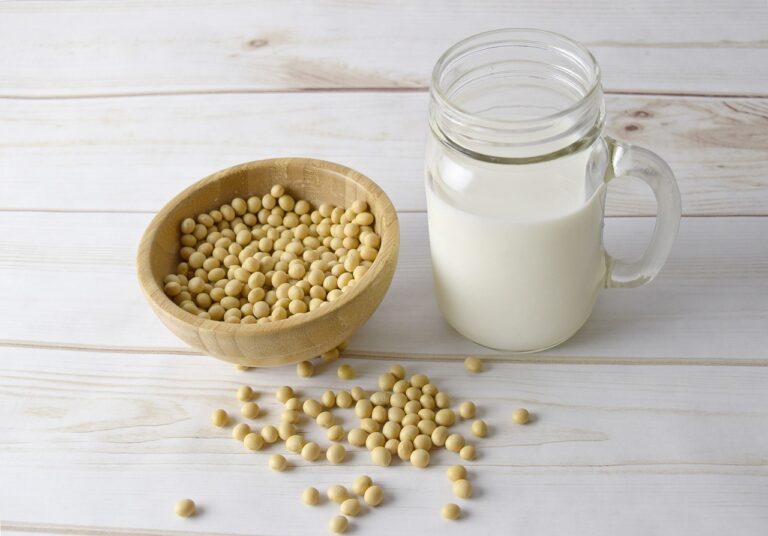
For elderly individuals with poor appetite, smaller frequent meals with high protein content are often more effective than large meals. In those with swallowing difficulties, soft or blended high-protein diets may be needed.
In nursing homes, adding protein powder or protein-rich supplements between meals is commonly used to support frail residents who struggle with adequate oral intake.
How much protein is needed for elderly?
Protein requirements increase with age. Older adults generally need more protein than younger adults to maintain muscle mass and physical function.
For healthy older adults, many experts recommend around 1.0 to 1.2 grams of protein per kilogram of body weight daily. Frail elderly individuals, those recovering from illness, or those with pressure injuries may require 1.2 to 1.5 grams per kilogram daily. Protein intake should ideally be spread throughout the day rather than concentrated in one meal.
For example:
- A 60 kg elderly person may require about 60 to 72 grams of protein daily under normal conditions
- During illness or rehabilitation, the requirement may increase to 72 to 90 grams daily

Is there any harm if elderly consume too much protein?
Protein is important, but excessive intake may not be suitable for everyone. Elderly individuals with severe kidney disease may require monitoring because high protein intake increases the workload on the kidneys.
However, many older adults are more likely to consume too little protein rather than too much. In practice, undernutrition and frailty are far more common concerns in nursing homes than excessive protein intake.
Possible issues with excessive protein intake include:
- Dehydration if fluid intake is poor
- Increased kidney workload in advanced kidney disease
- Digestive discomfort in some individuals
- Reduced intake of other important nutrients if diet becomes unbalanced
Before making major dietary changes, elderly individuals with kidney disease, liver disease, or complex medical conditions should seek advice from healthcare professionals or dietitians.
Conclusion
Protein plays a major role in healthy ageing. Adequate protein intake helps older adults maintain muscle strength, mobility, immunity, and independence. Without enough protein, elderly individuals become more vulnerable to frailty, falls, infections, and poor recovery from illness.
Many elderly people consume less protein because of poor appetite, chewing difficulties, chronic illness, or social factors. Early recognition and nutritional support are important in preventing decline.
In nursing home care, maintaining adequate protein intake is one of the simplest yet most effective ways to support quality of life and reduce frailty in older adults.