
Page Contents
Religious beliefs refer to faith, values, practices, and spiritual convictions that guide a person’s understanding of life, suffering, morality, and death. These beliefs may involve organized religions such as Christianity, Buddhism, Islam, Hinduism, Taoism, Sikhism, or other faith traditions. Spirituality may also exist outside formal religion and involve a personal sense of meaning, connection, and purpose.
For many older adults, religion is deeply rooted in their identity. Their beliefs were often formed during childhood and carried throughout life. Religious practices such as prayer, meditation, scripture reading, chanting, attending worship services, and participating in religious festivals provide emotional comfort and structure in daily living.
Statistics and trends
Globally, religion remains highly significant among older adults. Studies consistently show that elderly individuals are more likely to identify with a religion compared to younger generations.
Research from international surveys suggests that more than 70% of adults aged 65 years and above identify with a religious faith or engage in spiritual practices regularly. In many Asian countries, religious participation among elderly populations remains especially strong due to cultural traditions and family upbringing.
In countries with ageing populations, religious organizations also play a major role in supporting seniors through community outreach, social engagement, counseling, meal services, and volunteer support.
What are elderly people facing nowadays?
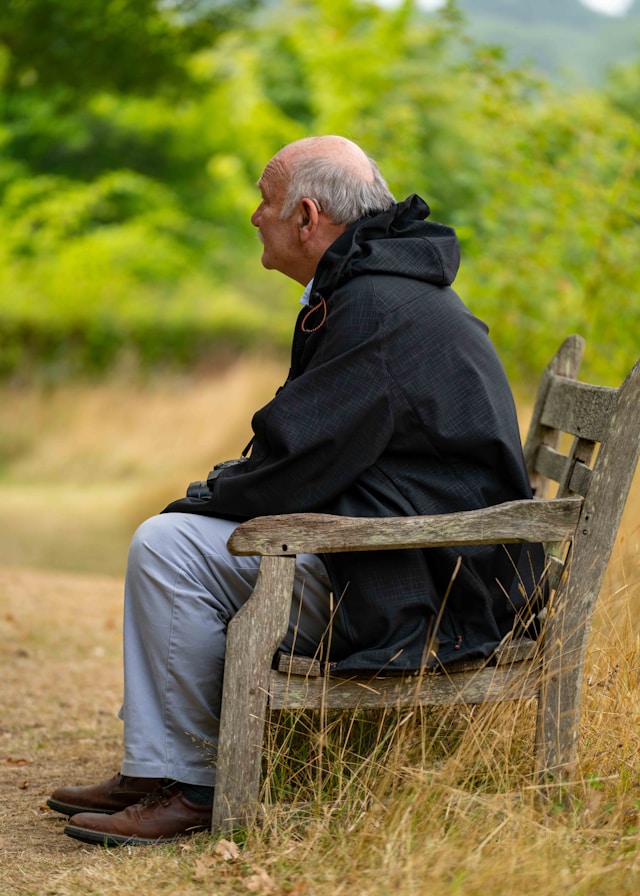
Many elderly individuals face emotional and psychological struggles that are often hidden from public attention.
Loneliness and Social Isolation
As people age, social circles become smaller. Friends pass away, children become busy with work and family commitments, and mobility limitations reduce opportunities for social interaction. Some elderly individuals spend long hours alone, especially those living independently or in institutional care.
Depression and anxiety
Chronic illness, disability, financial stress, and fear of becoming dependent on others can contribute to depression and anxiety. Unfortunately, mental health conditions among elderly people are frequently underdiagnosed.
Grief and bereavement
Older adults commonly experience repeated losses throughout life. The death of a spouse, siblings, close friends, or even adult children can cause profound grief and emotional distress.
Guilt and Regret
Many elderly individuals reflect deeply on their past. Some struggle with unresolved conflicts, regrets, guilt, or disappointment over life decisions and broken relationships.
Suicidal Thoughts
Elderly suicide is a serious but often overlooked issue worldwide. Feelings of hopelessness, loneliness, chronic pain, loss of dignity, and perceived burden on family members can contribute to suicidal thoughts, particularly among socially isolated seniors.
Importance of religious and spiritual beliefs
Religious and spiritual beliefs provide powerful emotional and psychological support for elderly individuals.
Faith often gives meaning to suffering and helps older adults cope with illness, disability, and the uncertainty of ageing. Prayer and spiritual practices promote inner calmness and emotional stability during difficult times.
Many religions also emphasize hope, forgiveness, compassion, and purpose. These values reduce feelings of guilt, despair, and fear. Elderly individuals who maintain spiritual engagement often report greater life satisfaction and emotional resilience.
Belief in life after death also provides comfort for many seniors facing mortality. The idea that death is not the end reduces fear and helps individuals approach the later stages of life with greater peace and acceptance.
Religious communities also provide social support. Fellow worshippers, volunteers, religious leaders, and spiritual counselors often become important emotional companions for elderly individuals who lack strong family support.
Religious freedom for elderly in the community
Elderly individuals living in the community often continue exercising autonomy in practicing their faith. Many still attend churches, temples, mosques, synagogues, or other places of worship regularly.
For some seniors, these visits are not merely religious routines. They provide opportunities for social interaction, friendship, emotional support, and a sense of belonging. Weekly religious gatherings often become one of the few remaining social activities for elderly individuals living alone.
Respecting this autonomy is important. Families and caregivers should support elderly individuals in maintaining their spiritual practices whenever safely possible.

What non-faith-based nursing homes may lack
Non-faith-based nursing homes provide essential physical care and medical support. However, some facilities may not fully address residents’ spiritual and religious needs.
In many settings, spiritual care is treated as optional rather than essential. Residents may have limited access to religious services, prayer sessions, scripture readings, or pastoral support. Staff may also lack training in spiritual care and end-of-life emotional support.
Faith-based nursing homes often integrate spiritual care into daily living. Residents may benefit from regular worship services, religious celebrations, spiritual counseling, and faith-centered emotional support. This environment often promotes comfort, familiarity, and emotional security.
This does not mean non-faith-based facilities provide poor care. However, incorporating spiritual care can significantly improve holistic well-being and quality of life for residents.
Religious activities in nursing homes
Many meaningful religious and spiritual activities can be implemented within nursing homes to support residents’ emotional well-being.
Examples include:
- Prayer sessions and worship services
- Meditation and mindfulness programs
- Scripture reading and religious study groups
- Visits by pastors, monks, priests, imams, or spiritual counselors
- Religious music and hymn singing
- Celebration of religious festivals
- End-of-life spiritual counseling
- Group discussions on hope, gratitude, and life meaning
- Quiet rooms or prayer spaces for private reflection
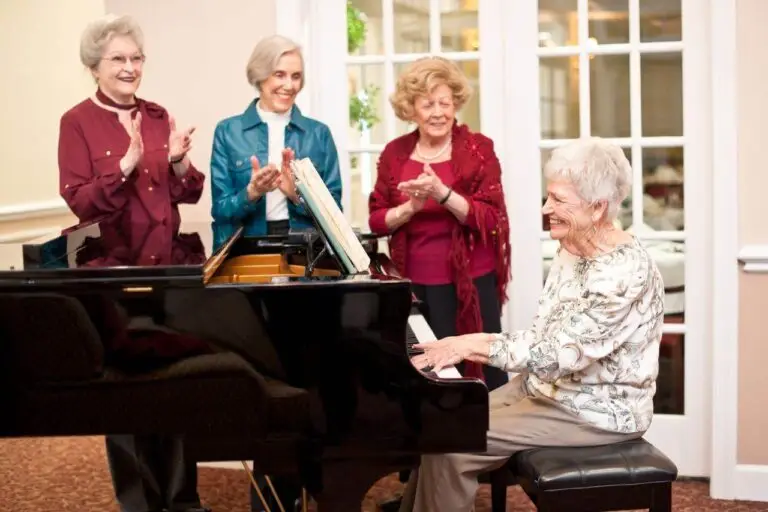
Activities should remain respectful, inclusive, and voluntary. Residents should always have the freedom to participate according to their own beliefs and preferences.
Conclusion
Religious and spiritual beliefs remain deeply important for many elderly individuals. Faith provides emotional comfort, hope, purpose, and companionship during periods of illness, grief, loneliness, and declining health.
As societies age and family structures change, social support may not always be consistently available. Religious and spiritual care therefore becomes an important pillar of holistic eldercare.
Supporting elderly individuals in maintaining their faith practices is not only about religion. It is about preserving dignity, identity, emotional well-being, and quality of life throughout the ageing journey.
Caring for our ageing loved ones is a journey filled with questions, challenges, and important decisions. If you are supporting an elderly parent or caring for someone with memory loss, my ebooks, When They Need You: A Family Guide to Caring for Aging Parents and When the Mind Fades: A Family Guide to Dementia and Cognitive Decline, provide practical guidance, compassionate insights, and real-world advice for families and caregivers.

To learn more about these books and explore additional resources on ageing and eldercare, click the link Here to visit my ebook page. You do not have to navigate the ageing journey alone.