
Page Contents
Gout is a type of arthritis caused by the accumulation of uric acid crystals within joints and surrounding tissues. Uric acid is a waste product produced when the body breaks down substances called purines, which are naturally found in human cells and many foods.
Normally, uric acid dissolves in the blood and is excreted through the kidneys. However, when the body produces too much uric acid or the kidneys cannot remove enough of it, uric acid levels rise. Over time, sharp needle-like crystals form and deposit in joints, triggering inflammation and intense pain.
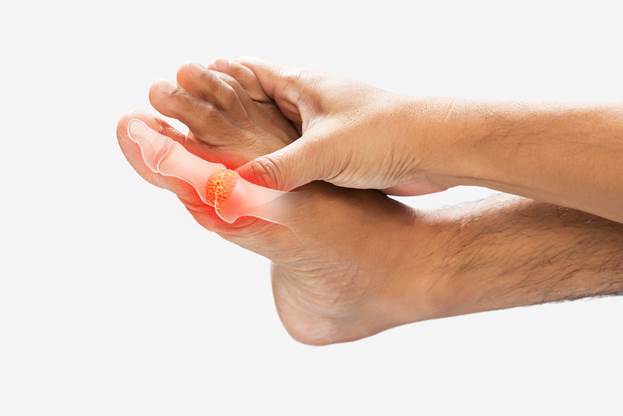
Many elderly individuals first discover they have gout after experiencing a sudden attack of severe joint pain. The pain often develops overnight and commonly affects the big toe, although the ankle, knee, foot, wrist, fingers, and elbow may also be involved. Others are diagnosed after routine blood tests reveal elevated uric acid levels, or when imaging studies identify crystal deposits within affected joints.
Statistics and trends
The prevalence of gout increases steadily with age. It is estimated that approximately 5% to 10% of adults over 65 years old are affected, making it one of the most common inflammatory joint diseases in older populations.
Several factors contribute to this rising prevalence:
- Age-related decline in kidney function
- Higher rates of chronic diseases
- Increased use of medications that affect uric acid levels
- Longer life expectancy
- Growing prevalence of obesity and metabolic syndrome
Historically, gout was more common among men. However, after menopause, the protective effects of estrogen decline, causing gout rates in women to increase substantially. As a result, elderly women account for a growing proportion of gout cases.
The burden of gout in long-term care facilities and nursing homes is also increasing due to the ageing population and the high prevalence of chronic kidney disease, diabetes, hypertension, and cardiovascular disease among residents.
Common causes of gout in elderly
Reduced kidney function
The kidneys are responsible for removing uric acid from the body. Kidney function naturally declines with age, making it more difficult to eliminate excess uric acid. Chronic kidney disease is therefore one of the most important risk factors for gout in elderly individuals.
Medications
Many medications commonly prescribed to older adults can increase uric acid levels. These include:
- Diuretics used for hypertension or heart failure
- Low-dose aspirin
- Certain immunosuppressive medications
- Some anti-tuberculosis drugs
Chronic medical conditions
Several health conditions are strongly associated with gout, including:
- Hypertension
- Diabetes mellitus
- Obesity
- Metabolic syndrome
- Chronic kidney disease
- Heart failure
Dietary factors
Certain foods contain high levels of purines and may contribute to elevated uric acid levels.
Examples include:
- Organ meats such as liver and kidney
- Red meat
- Shellfish
- Sardines and anchovies
- Alcoholic beverages, particularly beer
- Sugary drinks containing fructose
Genetic predisposition
Some individuals inherit genes that affect uric acid metabolism, increasing their susceptibility to developing gout later in life.
Clinical implications of gout
Gout is far more than an occasional painful joint attack. Repeated episodes can have significant consequences for elderly patients.
Acute gout attacks
The hallmark symptom is sudden, severe joint pain accompanied by redness, swelling, warmth, and tenderness. Even light contact with bedsheets may become unbearable. These attacks often occur at night and can severely limit mobility and independence.
Chronic joint damage
Repeated inflammation gradually damages cartilage and bone. Without adequate treatment, chronic gout may result in permanent joint deformity, stiffness, and reduced mobility.
Formation of tophi
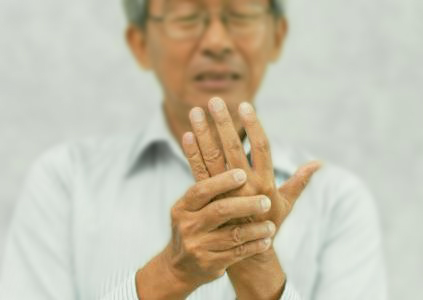
Long-standing gout may lead to the development of tophi, which are visible deposits of uric acid crystals beneath the skin. These commonly occur around the fingers, elbows, ears, and toes. Large tophi can interfere with joint function and occasionally ulcerate through the skin.
Increased risk of falls
Painful joints impair walking and balance. In frail older adults, this substantially increases the risk of falls and fractures.
Associated health risks
Gout frequently coexists with:
- Hypertension
- Heart disease
- Stroke
- Chronic kidney disease
- Diabetes
The presence of gout often signals broader metabolic and cardiovascular health concerns that require attention.
What treatments are available?
Treatment aims to relieve acute symptoms and prevent future attacks.
During acute attacks
Several medications can rapidly reduce inflammation and pain:
- Non-steroidal anti-inflammatory drugs (NSAIDs)
- Colchicine
- Corticosteroids
The choice depends on kidney function, comorbidities, and medication tolerance.
Long-term urate-lowering therapy
Patients with recurrent gout attacks often require medications that reduce uric acid levels.
Common options include:
- Allopurinol
- Febuxostat
These medications help dissolve existing crystal deposits and prevent formation of new crystals.
Management of underlying conditions
Treatment also involves addressing contributing factors such as:
- Obesity
- Hypertension
- Diabetes
- Chronic kidney disease
- Medication-related causes
Successful long-term control usually requires a combination of medication and lifestyle measures.
Side effects of the treatments
Like all medications, gout treatments may cause side effects, particularly in older adults who often have multiple medical conditions.
NSAIDs can increase the risk of stomach irritation, gastrointestinal bleeding, fluid retention, and kidney injury. These medications should be used cautiously in elderly patients with kidney disease or heart failure.
Colchicine is effective when started early but may cause diarrhea, nausea, abdominal discomfort, and muscle weakness. The risk of side effects increases in patients with impaired kidney function.
Corticosteroids can rapidly relieve inflammation but may elevate blood sugar levels, increase infection risk, worsen osteoporosis, and contribute to mood or sleep disturbances if used repeatedly.
Allopurinol and febuxostat are generally well tolerated. However, they can occasionally cause skin rashes, liver abnormalities, or allergic reactions. Regular follow-up and blood tests help ensure safe treatment.
Lifestyle modification
Lifestyle modification plays an important supporting role in gout management. While medication is often necessary, healthy habits can reduce attack frequency, lower uric acid levels and reduce cardiovascular risk.
Helpful lifestyle measures include:
- Maintaining a healthy body weight
- Drinking adequate water daily
- Limiting alcohol consumption
- Reducing intake of high-purine foods
- Avoiding sugary beverages
- Engaging in regular physical activity
- Managing diabetes, hypertension, and cholesterol levels

Conclusion
Gout is a common yet highly manageable condition among older adults. Age-related changes in kidney function, chronic diseases, medications, and lifestyle factors all contribute to its development. While acute attacks can be extremely painful, modern treatments are highly effective at controlling symptoms and preventing long-term joint damage.
Persistent joint pain, swelling, or recurrent attacks should never be ignored. Early medical assessment allows prompt diagnosis, identification of underlying causes, and initiation of appropriate treatment. With proper care, most elderly individuals with gout can maintain mobility, preserve independence, and enjoy a good quality of life.
Caring for our ageing loved ones is a journey filled with questions, challenges, and important decisions. If you are supporting an elderly parent or caring for someone with memory loss, my ebooks, When They Need You: A Family Guide to Caring for Aging Parents and When the Mind Fades: A Family Guide to Dementia and Cognitive Decline, provide practical guidance, compassionate insights, and real-world advice for families and caregivers.

To learn more about these books and explore additional resources on ageing and eldercare, click the link Here to visit my ebook page. You do not have to navigate the ageing journey alone.