
Page Contents
Exercise is planned and purposeful physical activity performed to improve or maintain physical fitness and health. It includes activities such as walking, swimming, cycling, strength training, stretching, balance exercises, and tai chi.
Physical activity is broader than exercise. Walking to the market, climbing stairs, gardening, doing household chores, or moving around the home all involve physical activity.
For older adults, movement does not need to be complicated. A regular walk around the neighbourhood, standing up from a chair repeatedly, or practising balance exercises at home can contribute to better physical function. The most important thing is to keep moving according to your abilities and health condition.
Many 0lder adults are not exercising
Physical inactivity is a global health concern, and the problem becomes more significant as people age.
The World Health Organization reported that approximately 31% of adults worldwide, or about 1.8 billion people, did not meet recommended levels of physical activity in 2022. Physical inactivity increases with age, with a noticeable rise after the age of 60. In high-income Asia, which includes Singapore, Japan, and South Korea, the estimated rate of insufficient physical activity among adults was 48%.
The WHO recommends that adults aged 65 and above aim for at least 150 minutes of moderate-intensity physical activity each week, or an equivalent amount of more vigorous activity. Older adults with poor mobility should also include activities that improve balance and help prevent falls on three or more days each week. Those who cannot meet these targets because of health conditions should remain as physically active as their abilities and circumstances allow.
These numbers should not discourage you. They should remind you that even small increases in daily movement are worthwhile.
Why do older adults stop exercising?
There is rarely one reason why an older person becomes inactive. Several factors often occur together.
A sedentary lifestyle
Retirement often changes daily routines. Without the need to commute to work, older adults may spend more time sitting at home. Television, smartphones, tablets, and computers provide easy entertainment without requiring physical movement.
Illness and chronic conditions
Arthritis, heart disease, diabetes, stroke, Parkinson’s disease, and respiratory conditions may make exercise more difficult. Some people also worry that exercise will worsen their medical condition.
Pain
Pain is one of the most common barriers to exercise. An older adult with knee or back pain may stop walking because movement hurts.
Unfortunately, less movement often leads to weaker muscles, which may place more stress on joints and make movement even more painful.
Fatigue and low energy
Some older adults feel tired and lethargic because of poor sleep, medication side effects, depression, malnutrition, or underlying medical conditions. Exercise then feels like an additional burden.
Fear of falling
A previous fall can significantly affect confidence. Some older adults become afraid to walk outside or exercise because they worry about falling again.
The “I am too old” mindset
Some people believe weakness and inactivity are inevitable parts of ageing. This is not true. While ageing brings physiological changes, regular physical activity helps older adults maintain function and slow the effects of physical decline.
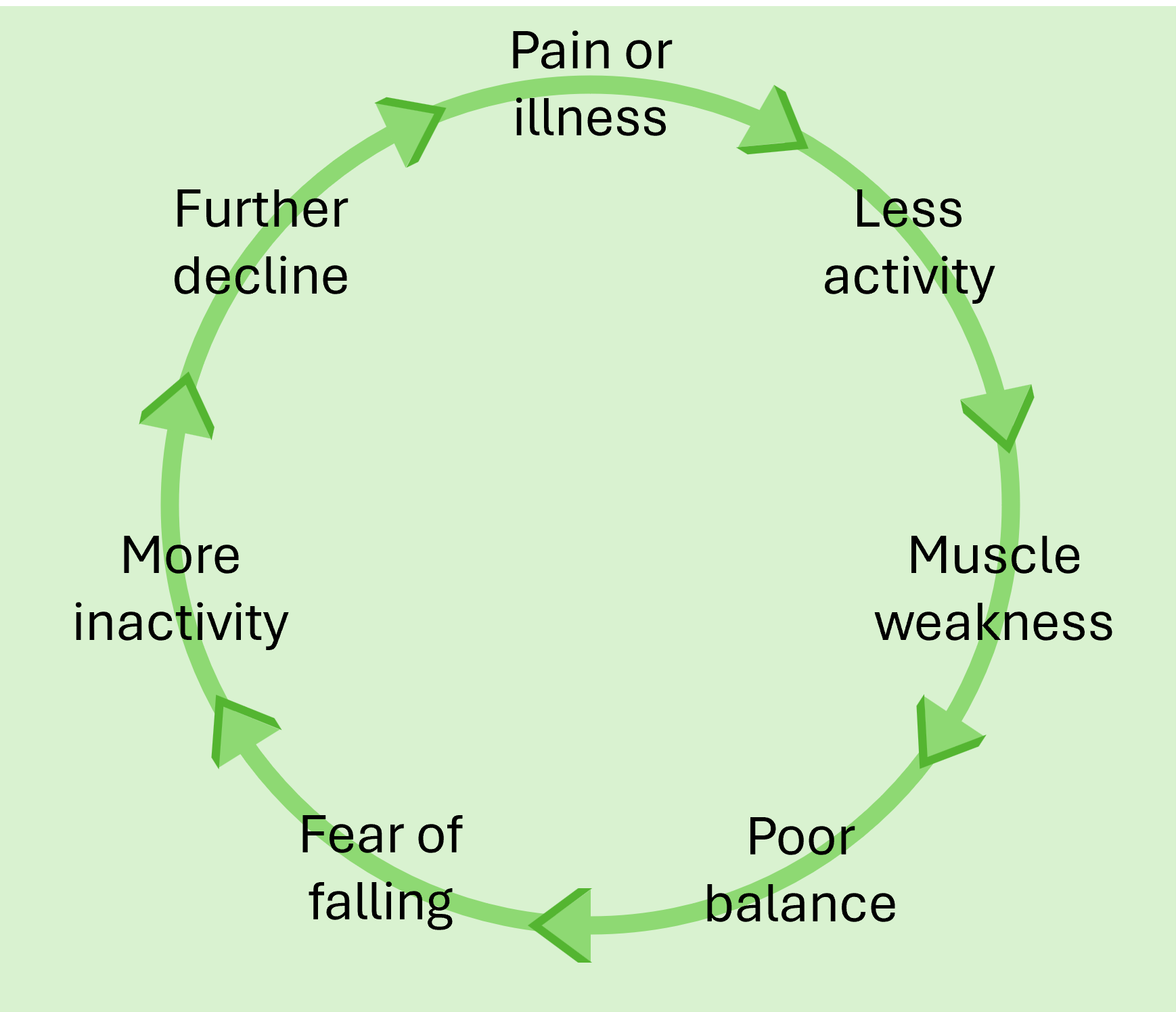
The vicious cycle of inactivity
Inactivity often creates a cycle that becomes increasingly difficult to break.
An older adult develops knee pain. Because walking hurts, they become less active. Their muscles gradually weaken. Their balance and endurance decline. They become less confident and begin relying on a walking aid or wheelchair more often. As movement decreases, daily activities become more difficult. The person becomes increasingly dependent on family members or caregivers. They spend more time sitting or lying down, leading to further loss of strength. Eventually, the person may become afraid to move because they feel weak.
This creates a vicious cycle. The earlier this cycle is interrupted, the easier it is to preserve independence.
The benefits of exercise for older adults
Regular exercise offers benefits for almost every aspect of healthy ageing.
Stronger muscles
Strength training helps maintain muscle mass and strength. This makes everyday activities such as standing from a chair, climbing stairs, carrying groceries, and getting out of bed easier.
Better balance and fewer falls
Balance exercises improve stability and body awareness. Strengthening the legs and practising coordinated movements also help older adults respond more effectively when they lose their balance. Exercise does not eliminate falls, but it helps reduce risk and improve physical resilience.
Sharper reflexes and coordination
As we age, reaction time may become slower. Exercises that involve changing direction, stepping, reaching, or responding to movement help maintain coordination and body awareness. This is especially important when recovering from a trip or sudden loss of balance.
Better heart and lung health
Walking, swimming, cycling, and other aerobic activities improve cardiovascular fitness. Regular activity also helps manage blood pressure, blood sugar, and body weight.
Better mental health
Physical activity is associated with better mental health and sleep. It may also reduce symptoms of depression and anxiety and support cognitive health.
Greater independence
Perhaps the greatest benefit is functional independence. Being able to walk to the toilet, prepare a meal, get dressed, or go shopping without assistance has a direct impact on dignity and quality of life. Exercise is therefore not only about fitness. It is about preserving the ability to live the life you want.
What exercises are suitable for different older adults?
There is no single exercise programme that suits everyone. The right exercise depends on your age, fitness level, medical conditions, mobility, balance, and personal interests.
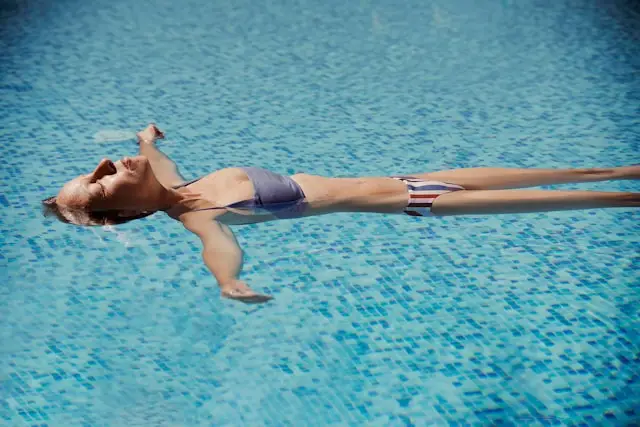
For healthy and active older adults
If you are already physically active, consider:
- Brisk walking
- Swimming
- Cycling
- Hiking
- Dancing
- Strength training
- Tai Chi
- Yoga
Aim for a combination of aerobic activity, muscle strengthening, flexibility, and balance exercises.
For older adults who are less active
Start slowly with activities such as:
- Gentle walking
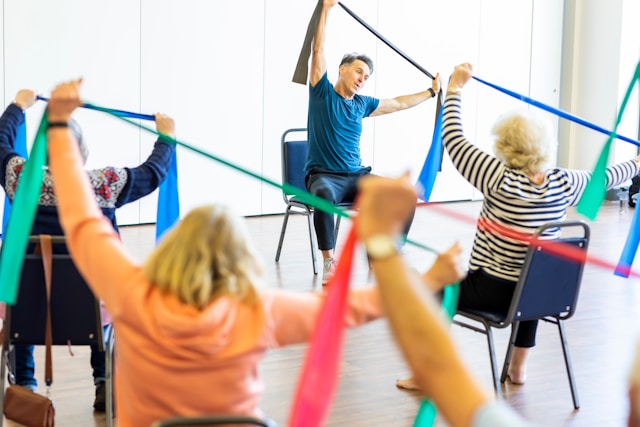
- Chair exercises
- Light resistance exercises
- Sit-to-stand exercises
- Gentle stretching
- Basic balance exercises
The goal is to build consistency before increasing intensity.

For older adults with poor mobility
Exercise does not need to mean running or going to a gym. You may benefit from:
- Seated leg exercises
- Arm exercises
- Supported standing
- Sit-to-stand practice
- Walking with an appropriate walking aid
- Gentle balance exercises
A physiotherapist can assess your abilities and develop an individualised programme.
For older adults with chronic conditions
People living with arthritis, diabetes, heart disease, Parkinson’s disease, stroke, or other chronic conditions often benefit from exercise. The programme should be adapted to the individual’s condition and functional capacity.
If you have significant medical conditions or have been inactive for a long time, seek professional advice before starting a new exercise programme.
Do not overdo exercise
More exercise is not always better. Older adults often recover more slowly from strenuous activity. Muscles, tendons, joints, and other tissues may require more time to recover, especially when a person has osteoporosis, frailty, diabetes, or other chronic conditions.
Pushing too hard may result in:
- Muscle strains
- Joint injuries
- Falls
- Excessive fatigue
- Delayed recovery
- Loss of motivation
Listen to your body. Gradually increase the duration and intensity of exercise rather than making sudden changes.
Rest is part of training. If you experience chest pain, severe shortness of breath, dizziness, fainting, or unusual symptoms during exercise, stop and seek medical attention.
The goal is sustainable activity. You should finish an exercise session feeling that you have worked your body without overwhelming it.
Exercise is only one part of healthy ageing
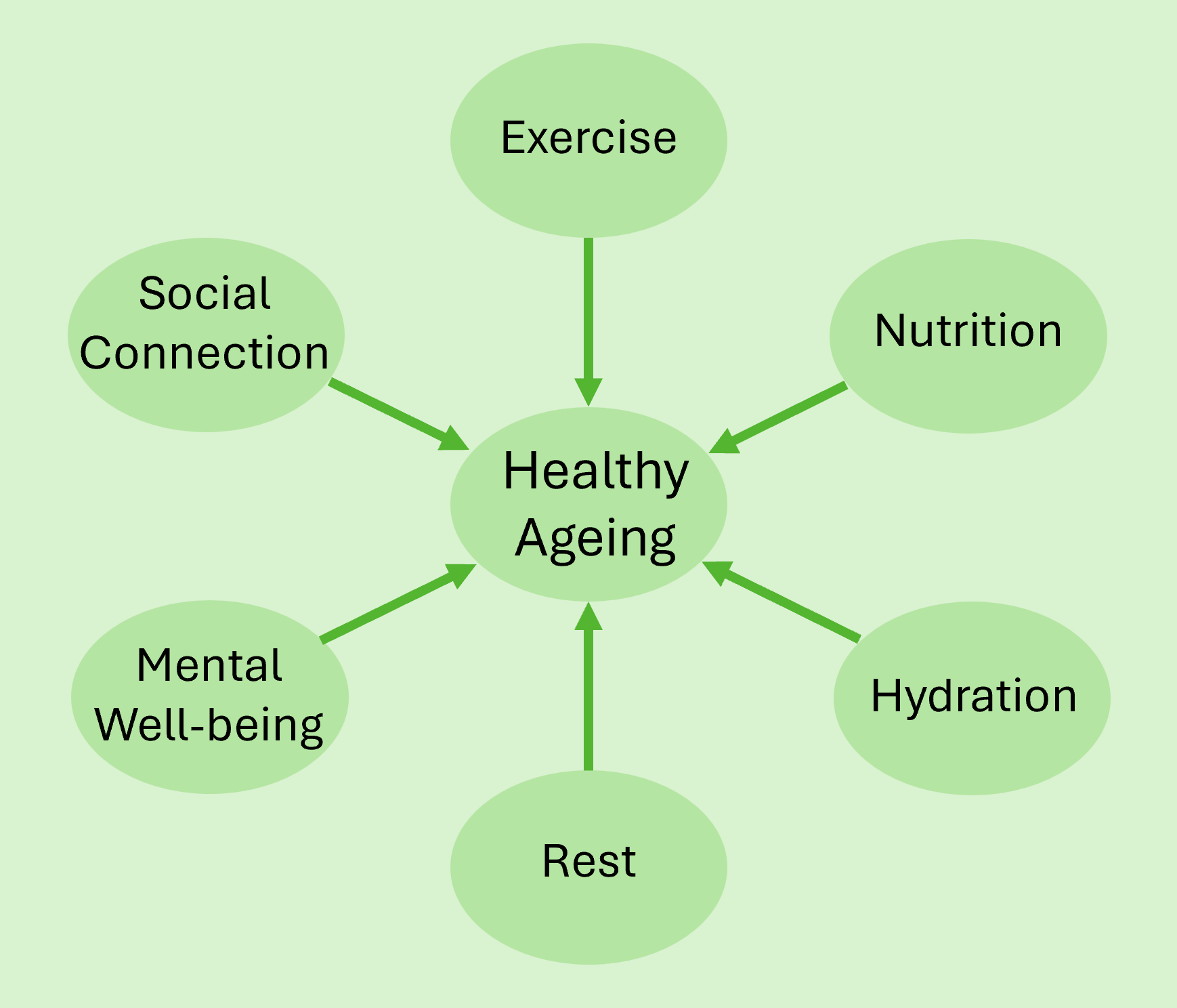
Exercise is important, but it does not work alone. Your body needs adequate nutrition to build and repair muscles. Protein is particularly important for maintaining muscle mass as we age. Hydration supports circulation, temperature regulation, and physical performance.
Rest is equally important. Sleep allows the body and brain to recover. Older adults who exercise regularly still need sufficient recovery time between demanding activities.
Mental and emotional well-being also matters. Social connection, meaningful activities, hobbies, spiritual beliefs, and a sense of purpose all contribute to healthy ageing.
Think of healthy ageing as a complete picture, neglecting one area may affect the others.
Conclusion
Ageing does not mean you should stop moving. In many cases, the opposite is true. The more you maintain your physical abilities, the more opportunities you have to remain independent and engaged in life.
You do not need to run a marathon. You do not need an expensive gym membership. You do not need to exercise perfectly.
Start with what you can do. Walk a little further. Stand up more often. Practise your balance. Strengthen your legs. Stretch your body. Find an activity you enjoy and make movement part of your daily routine.
One of the most important questions we should ask older adults is not, “How old are you?” Instead, we should ask: “How much of your independence do you want to keep, and what are you willing to do to protect it?”. Every step matters. Every movement counts. Staying active today is an investment in the person you want to be tomorrow.
Caring for our ageing loved ones is a journey filled with questions, challenges, and important decisions. If you are supporting an elderly parent or caring for someone with memory loss, you may be interested in my ebooks:
- When They Need You
- When the Mind Fades
- When the Pills Multiply
- When the Road Narrows
These ebooks provide practical guidance, compassionate insights, and real-world advice for families and caregivers.
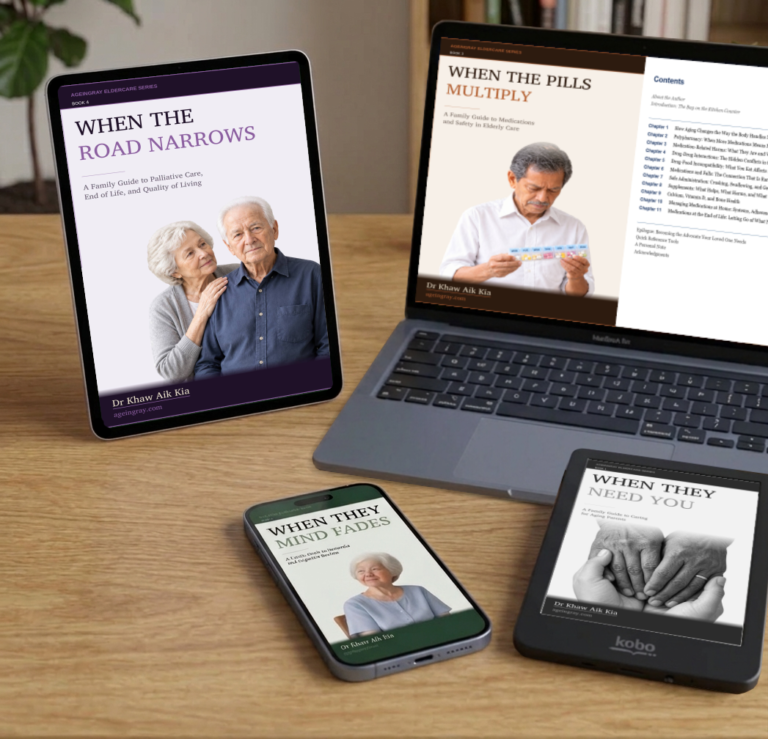
To learn more about these books and explore additional resources on ageing and eldercare, click the link Here to visit my ebook page. You do not have to navigate the ageing journey alone.