
Page Contents
When people hear the word rehabilitation (rehab), they often think of someone recovering from a stroke, a fall or an operation. However, rehabilitation is not only for people who are ill or injured.
For older adults, rehab can help improve strength, balance, mobility and the ability to perform daily activities. It can also help prevent physical decline and preserve existing abilities.
As people age, they may become weaker, walk more slowly or find everyday tasks increasingly difficult. Without appropriate activity, this decline can become a vicious cycle: less movement leads to weaker muscles, which makes movement even harder.
Rehab can help break this cycle. The goal is not necessarily to make every older person walk independently or regain all their previous abilities. It is to help each person achieve and maintain the best possible level of function.
Preventive and Maintenance Rehab
Although both types aim to support function and independence, their main purposes differ.
Preventive rehabilitation
Preventive rehab aims to reduce the risk of future functional decline. It focuses on building strength, balance, endurance and confidence before a significant loss of ability occurs.
Examples include:
Balance exercises to reduce the risk of falls.
Strength training to maintain muscle power.
Walking practice to improve endurance.
Functional exercises such as standing from a chair or climbing steps.
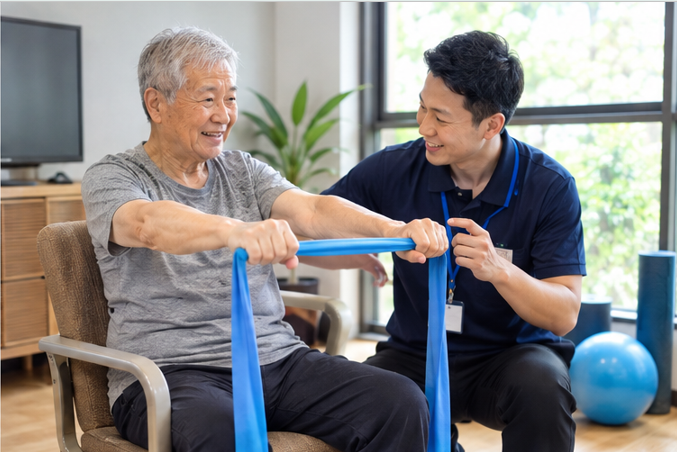
Maintenance rehabilitation
Maintenance rehab aims to preserve the abilities an older person already has and slow further decline. It may be especially important for people with long-term conditions, frailty or permanent disabilities.
Examples include:
Regular walking or assisted standing to maintain mobility.
Range-of-motion exercises to reduce stiffness.
Supported transfers between bed and chair.
Exercises to maintain the ability to eat, dress or perform other daily activities.
The two approaches are not mutually exclusive. An older person may receive maintenance rehab to preserve walking ability while doing balance exercises to prevent falls.

Who is suitable for each type?
Preventive rehab may suit:
Older adults who remain relatively independent but are becoming less active.
Residents with early weakness, reduced balance or slower walking.
People at risk of falls or physical deconditioning.
Older adults with stable chronic conditions who can benefit from exercise.
Residents who want to maintain or improve their independence.
Maintenance rehab may suit:
Residents with frailty or long-term mobility limitations.
People living with chronic neurological or musculoskeletal conditions.
Older adults who have reached a functional plateau after rehabilitation.
Residents who need assistance with walking, transfers or daily activities.
People whose conditions limit major functional improvement but who may still benefit from preserving existing abilities.
These are general examples, not fixed categories. A frail resident may still improve with preventive or restorative exercises, while an otherwise independent resident may need maintenance exercises for a long-term condition. A physiotherapist should assess the person’s needs, goals and potential for improvement.
Pros and cons of preventive rehab
Benefits
May reduce the risk of falls and injury.
Helps build strength, balance and endurance.
Supports independence in daily activities.
Can improve confidence and encourage an active lifestyle.
May delay the effects of physical deconditioning.
Limitations
Requires regular participation and motivation.
Improvements may take time and may not be immediately noticeable.
Exercise must be adapted for people with pain, fatigue or chronic illness.
It cannot eliminate all falls or prevent every age-related change.

Preventive rehab works best when exercise becomes part of daily life rather than an occasional activity. Simple actions, such as standing up safely from a chair or walking regularly, can contribute to maintaining function when appropriate for the individual.
Pros and cons of maintenance rehab
Benefits
Helps preserve existing mobility and physical abilities.
May reduce stiffness and complications associated with inactivity.
Supports participation in daily activities.
Can help maintain comfort, confidence and quality of life.
Encourages residents to continue using the abilities they still have.
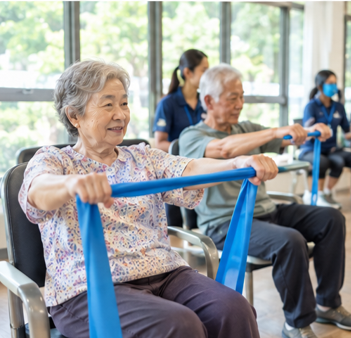
Limitations
Progress may be slow, and the main goal may be to prevent further decline rather than achieve major gains.
Long-term conditions may limit the amount of improvement possible.
Regular assistance, supervision or equipment may be needed.
Residents may lose motivation if they expect rapid results.
Maintenance rehab should not be mistaken for doing the same exercises indefinitely without review. The programme should change when the resident’s health, abilities, comfort or goals change.
What should we take note of during rehab?
Older adults are not a uniform group. Two residents of the same age may have very different physical abilities, medical conditions and personal goals.
Before starting, consider the following:
Assess individual needs. Understand the resident’s medical history, mobility, balance, pain, cognition and ability to follow instructions.
Set realistic goals. One resident may aim to walk to the dining room, while another may aim to transfer safely from bed to chair.
Choose suitable exercises. Activities should match the person’s abilities and be progressed gradually.
- Prioritise safety. Use appropriate footwear, walking aids, supervision and a safe environment.
- Watch for warning signs. Stop and seek appropriate clinical assessment if the resident develops chest pain, unusual breathlessness, dizziness, sudden weakness or significant new pain.
Encourage regular participation. Short, manageable sessions may be more practical than long, tiring sessions.
Review progress. Monitor function and adjust the programme as the resident’s needs change.
Rehab is a team effort. Physiotherapists, occupational therapists, nurses, care staff, doctors and family members can all contribute. Care staff can also help residents practise appropriate daily activities between formal therapy sessions, following the agreed care plan.
Should older adults be allowed to self-perform rehab?
Yes, when the exercises are suitable and the person has been assessed and taught how to perform them safely.
Self-directed exercise can help older adults build confidence, take greater responsibility for their health and practise more consistently. It also supports the principle of encouraging people to do what they can for themselves instead of automatically doing everything for them.
However, self-practice does not mean every resident should exercise without supervision.
Before allowing independent practice:
Ensure the resident understands the instructions and correct technique.
Confirm that the exercises and equipment are suitable.
Assess whether the person has adequate balance, judgement and physical ability.
Explain when to stop and ask for help.
Arrange supervision or assistance where needed.
Review the programme regularly, particularly after a fall, illness or change in function.

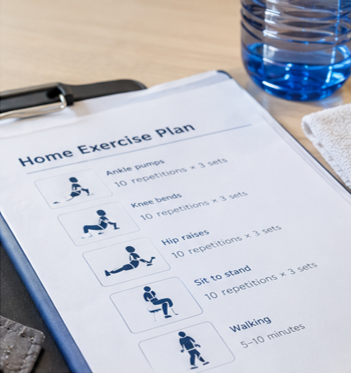
For residents with significant cognitive impairment, unstable medical conditions or a high risk of falling, closer supervision may be necessary. A simple exercise sheet can help some residents, but it should not replace assessment and appropriate guidance.
The aim is to support independence without exposing residents to unnecessary risk.
Conclusion
Preventive and maintenance rehabilitation serve different purposes, but both can make a meaningful contribution to the care of older adults.
Preventive rehab focuses on reducing the risk of future decline, while maintenance rehab focuses on preserving existing abilities. Neither approach should be selected simply because a resident is old, frail or living in a nursing home.
The right programme depends on the person’s abilities, health, goals and preferences. With suitable assessment, regular practice and ongoing review, rehabilitation can help older adults remain as active, comfortable and independent as possible.
The goal is not simply to keep older adults safe. It is to help them keep doing as much as they safely can.
Caring for our ageing loved ones is a journey filled with questions, challenges, and important decisions. If you are supporting an elderly parent or caring for someone with memory loss, you may be interested in my ebooks:
- When They Need You
- When the Mind Fades
- When the Pills Multiply
- When the Road Narrows
- When the Body Slows Down
These ebooks provide practical guidance, compassionate insights, and real-world advice for families and caregivers.

To learn more about these books and explore additional resources on ageing and eldercare, click the link Here to visit my ebook page. You do not have to navigate the ageing journey alone.