
Page Contents
Dementia is not a single disease. It is a clinical syndrome caused by various diseases that damage brain cells, resulting in a progressive decline in memory, thinking, language, reasoning, behaviour, and the ability to perform daily activities.
The most common cause is Alzheimer’s disease, followed by vascular dementia, Lewy body dementia, and frontotemporal dementia. Although dementia becomes more common with age, it is not a normal part of ageing.
The symptoms usually worsen over time, affecting a person’s independence, communication, and quality of life.
Statistics and trends
Dementia is one of the fastest-growing public health challenges worldwide.
According to the World Health Organization, more than 55 million people are living with dementia globally, with nearly 10 million new cases diagnosed every year. As populations continue to age, this number is expected to almost triple to approximately 139 million by 2050.
The risk of dementia increases significantly after the age of 65. As life expectancy continues to improve, healthcare systems, families, and eldercare facilities are facing increasing demand for dementia care and support.
Characteristics of dementia
Dementia affects each person differently, but several common symptoms gradually appear as the condition progresses. Common characteristics include:
- Short-term memory loss.
- Difficulty finding words or following conversations.
- Confusion about time or place.
- Reduced attention and concentration.
- Poor judgement and decision-making.
- Difficulty performing familiar tasks.
- Changes in mood and personality.
- Agitation, anxiety, or wandering.
- Reduced ability to recognise family members in later stages.

Interestingly, many people with dementia remember events from decades ago more clearly than recent events. This preserved long-term memory forms the foundation of reminiscence therapy.
Common therapies for dementia
There is no single treatment that cures dementia. Management usually combines medications with non-pharmacological therapies.
Medications
Drugs such as cholinesterase inhibitors and memantine may help slow cognitive decline in some individuals. However, they do not stop disease progression and their benefits vary.
Cognitive Stimulation Therapy (CST)
CST involves structured group activities designed to improve memory, language, attention, and problem-solving. Research has shown modest improvements in cognition and quality of life, particularly in people with mild to moderate dementia.
Reality orientation
Reality orientation uses calendars, clocks, signs, and repeated reminders to reinforce awareness of time, place, and person. It is most useful during the earlier stages of dementia but may become frustrating for individuals with advanced disease.
Validation therapy
Instead of correcting factual mistakes, validation therapy acknowledges the person’s emotions and lived experience. This approach often reduces anxiety and distress.
Music therapy
Music, especially familiar songs, can evoke memories, reduce agitation, improve mood, and encourage communication even in advanced dementia.
Reminiscence therapy
Among the various non-drug interventions, reminiscence therapy has consistently demonstrated positive effects on mood, communication, social engagement, and psychological well-being. While it does not reverse dementia, it helps individuals reconnect with meaningful life experiences and often enhances quality of life.
Types of reminiscence therapy
Reminiscence therapy can be delivered in different ways depending on the individual’s preferences and stage of dementia.
Individual reminiscence
A caregiver or therapist engages one-to-one with the older adult using personal photographs, family albums, music, or treasured objects.
Group reminiscence
Several participants share memories around common themes such as school days, weddings, traditional festivals, childhood games, or favourite foods. Group sessions encourage conversation and social interaction.
Life story work
Important life events, photographs, achievements, and personal stories are compiled into a life story book or memory album. This serves as both a communication tool and a record of the person’s identity.
Digital reminiscence
Technology such as tablets, digital photo frames, recorded family videos, virtual reality experiences, or music playlists can enhance reminiscence sessions and make memories more engaging.
How does reminiscence therapy work?
One of the unique features of dementia is that long-term memories are often preserved better than recent memories, particularly during the earlier stages of the disease.
Reminiscence therapy stimulates these preserved memories using meaningful prompts such as:
- Old family photographs.
- Childhood toys.
- Traditional music.
- Vintage household items.
- Newspaper headlines from earlier decades.
- Wedding photographs.
- Cultural festivals.
- Familiar smells or favourite foods.

These memory cues activate emotional and autobiographical memories, allowing older adults to share stories, express emotions, and reconnect with their personal identity.
Research has shown that reminiscence therapy may:
- Improve mood and emotional well-being.
- Reduce anxiety and agitation.
- Encourage conversation and communication.
- Strengthen social interaction.
- Increase self-esteem and confidence.
- Reduce feelings of loneliness.
- Help caregivers better understand the person’s life history.
- Strengthen relationships between older adults and their families.

Although reminiscence therapy does not stop dementia progression, meaningful conversations often create moments of joy and connection that remain valuable for both the individual and their loved ones.
How can caregivers use reminiscence therapy?
Reminiscence therapy does not require expensive equipment or specialist training. Families and care staff can easily incorporate it into daily routines.
Useful approaches include:
- Looking through old family photo albums together.
- Listening to songs from the person’s younger years.
- Watching classic movies or television programmes.
- Discussing childhood memories or occupations.
- Preparing traditional family recipes together.
- Handling familiar household objects from previous decades.
- Creating a memory box containing meaningful personal items.
- Developing a life story book with photographs and written memories.
- Celebrating traditional festivals and cultural customs.
- Encouraging family members to share stories across generations.
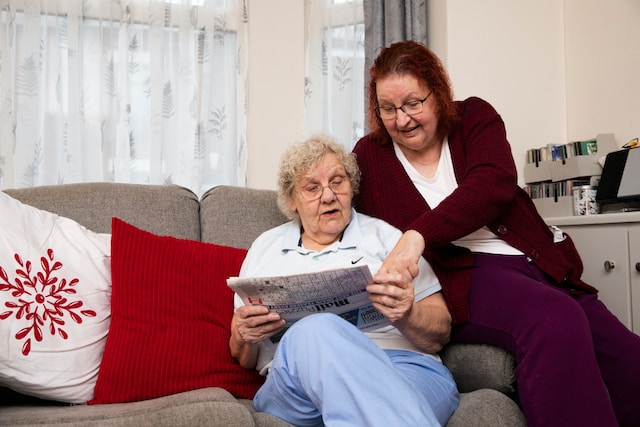
Caregivers should focus on creating a relaxed and enjoyable conversation rather than testing memory. If the older adult recalls events differently or becomes confused, avoid arguing or correcting them. The goal is emotional connection, not factual accuracy.
Sessions should be guided by the person’s interests, cultural background, and emotional responses. If a topic causes distress, gently redirect the conversation to more positive memories.
Conclusion
Reminiscence therapy is one of the simplest yet most meaningful non-drug interventions available for people living with dementia. By focusing on preserved long-term memories, it helps maintain identity, encourage communication, and strengthen relationships with family members and caregivers.
However, it is not suitable for every situation. Some memories may trigger grief, trauma, or emotional distress, particularly if they involve the loss of loved ones or difficult life events. Caregivers should observe emotional reactions carefully and redirect conversations when necessary. The therapy should always be person-centred, voluntary, and tailored to the individual’s life experiences.
While reminiscence therapy cannot cure dementia or restore lost memories, it reminds us of something equally important. Behind every diagnosis is a person with a lifetime of experiences, relationships, achievements, and stories worth remembering. Sometimes, the greatest gift we can offer is not helping someone remember today’s date, but helping them reconnect with the moments that made them who they are.
Caring for our ageing loved ones is a journey filled with questions, challenges, and important decisions. If you are supporting an elderly parent or caring for someone with memory loss, you may be interested in my ebooks:
- When They Need You
- When the Mind Fades
- When the Pills Multiply
- When the Road Narrows
These ebooks provide practical guidance, compassionate insights, and real-world advice for families and caregivers.

To learn more about these books and explore additional resources on ageing and eldercare, click the link Here to visit my ebook page. You do not have to navigate the ageing journey alone.