
Page Contents
Heart disease remains one of the leading health problems among older adults worldwide. As people age, the heart and blood vessels naturally become less efficient. Arteries stiffen, blood pressure rises, and years of unhealthy habits begin to show their effects.
Many factors contribute to heart disease in the elderly. Common causes include long-term stress, unhealthy diet, lack of physical activity, smoking, excessive alcohol intake, diabetes, obesity, and family history. In modern society, sedentary lifestyles and processed foods have further increased the burden of heart disease.
Because of this, many older adults look for foods or drinks believed to protect the heart. One of the most debated topics is red wine. Some believe moderate red wine consumption supports heart health, while others argue the evidence is weak and overstated.
Statistics of heart disease and red wine consumption across regions
Heart disease affects millions of elderly individuals globally. In many Western countries, cardiovascular disease remains the leading cause of death among older adults.
Interestingly, researchers observed that some Mediterranean regions such as parts of France, Italy, and Spain reported relatively lower rates of heart disease despite diets containing moderate amounts of fat. This observation became known as the “French Paradox.” One proposed explanation was regular moderate consumption of red wine together with Mediterranean-style eating habits.
In contrast, regions with higher rates of smoking, processed food intake, obesity, and physical inactivity often showed higher rates of heart disease regardless of alcohol consumption patterns.
However, comparing regions is complicated. People who drink moderate amounts of red wine in Mediterranean countries often also eat more vegetables, fish, olive oil, nuts, and fresh foods while remaining physically active. This makes it difficult to conclude that red wine alone protects the heart.
Is red wine protective or overrated?
The debate around red wine has continued for years.
Those who object to the idea argue that studies have not proven a direct cause-and-effect relationship between red wine and lower heart disease risk. Many earlier studies were observational, meaning researchers simply observed lifestyle patterns without controlling all other factors. People who drink moderate wine may also have healthier diets, better income, stronger social support, and healthier lifestyles overall.
Critics also point out that alcohol itself carries health risks, especially in older adults. Excessive alcohol intake increases blood pressure, affects the liver, raises cancer risk, and interacts with many medications commonly used by the elderly.

Supporters of red wine focus on a compound called resveratrol. Resveratrol is a natural antioxidant found in grape skins, especially red grapes. Some laboratory studies suggest resveratrol may reduce inflammation, improve blood vessel function, and help protect against plaque buildup in arteries. These effects are believed to support heart health.
The challenge is this. The amount of resveratrol found in red wine is relatively small, and scientists still debate whether drinking wine provides enough resveratrol to produce meaningful health benefits in humans.
What other factors affect heart health?
Heart health depends on many daily habits rather than one specific food or drink. In clinical practice, older adults with healthy hearts usually share several protective lifestyle factors.
Important factors include:
- Regular physical activity
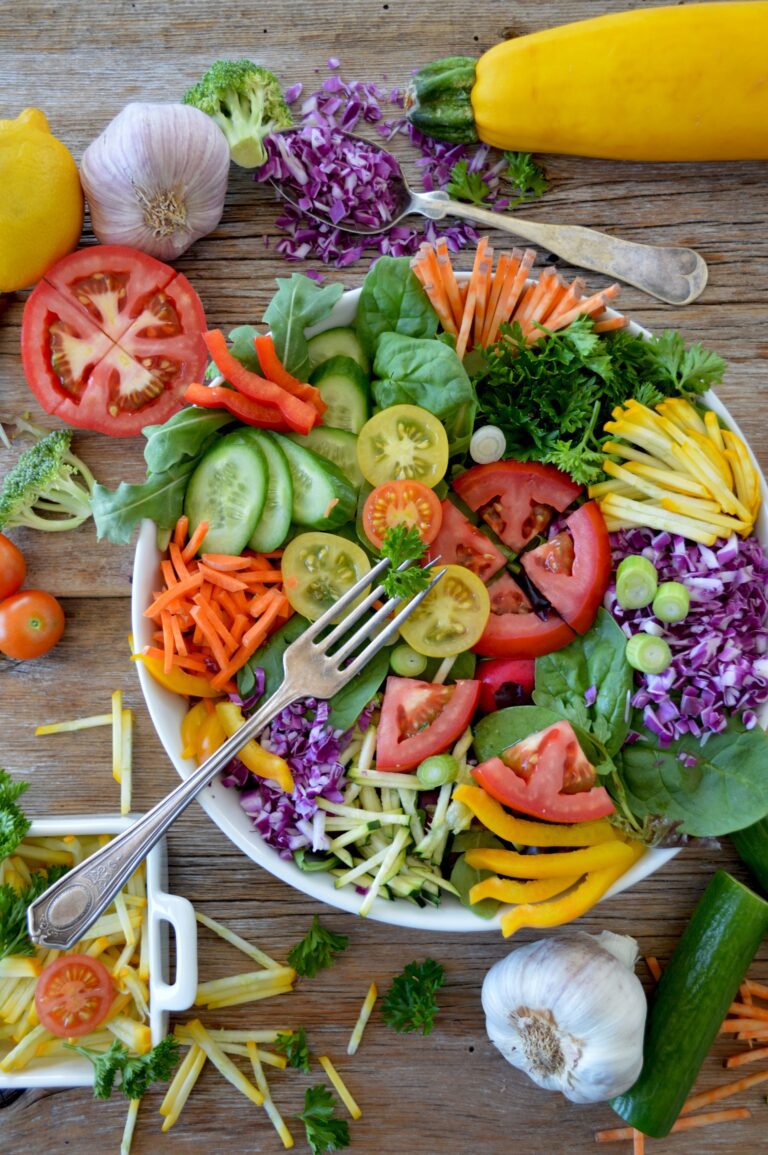
- Balanced diet rich in vegetables and fruits
- Maintaining healthy body weight
- Good blood pressure control
- Good diabetes control
- Avoiding smoking
- Adequate sleep
- Stress management
- Strong social engagement and emotional well-being
A person who drinks red wine daily but smokes heavily, eats poorly, and never exercises will still have a high risk of heart disease.
How much resveratrol do we need?
There is no officially recommended daily requirement for resveratrol. Research studies often use much higher doses than what people normally obtain from red wine. In reality, a single glass of red wine contains only a small amount of resveratrol.
To consume the amounts used in some studies, a person would need to drink excessive quantities of wine, which would create far more harm than benefit.
Because of this, some people turn to resveratrol supplements. Supplements provide concentrated doses without alcohol exposure. However, evidence remains mixed regarding whether supplements truly improve heart outcomes in older adults. More research is still needed.
Natural food sources of resveratrol include:
- Red grapes
- Blueberries
- Cranberries
- Peanuts
- Dark-colored berries
These foods provide antioxidants without the risks linked to alcohol.

The negative effects of overconsuming wine
While moderate alcohol intake is often discussed, excessive wine consumption creates serious health risks, especially in older adults. Ageing bodies process alcohol more slowly, making elderly individuals more vulnerable to side effects.
Excessive wine intake may lead to:
- Increased blood pressure
- Irregular heartbeat
- Liver damage
- Increased fall risk
- Poor sleep quality
- Memory problems
- Depression and mood changes
- Dangerous interactions with medications
- Increased risk of certain cancers
Many elderly people experience alcohol-related falls and medication interactions problems. Elderly individuals taking sleeping pills, blood thinners, diabetes medication, or blood pressure medication face higher risks when consuming alcohol regularly.
Conclusion
Red wine continues to be one of the most debated topics in nutrition and heart health. While red wine contains resveratrol and other antioxidants that may support blood vessel health, evidence remains inconsistent regarding its direct protective effect against heart disease.
For older adults, heart health should not depend on one drink or supplement. Long-term lifestyle habits matter far more. A healthy diet, regular exercise, smoking avoidance, good medical control, stress management, and maintaining social engagement remain the foundation of healthy ageing.
For elderly individuals who already enjoy red wine, moderate intake may be acceptable if approved by their doctor and if there are no medical contraindications. However, no one should start drinking alcohol purely for heart protection.