
Page Contents
Adaptive sports are sports or physical activities modified to meet the abilities and needs of people with disabilities, physical limitations or health conditions. The basic rules of a sport may remain the same, while the equipment, playing area, movement, rules or level of competition are adjusted.
For older adults, adaptive sports do not necessarily mean competitive sports. A simple game of seated balloon volleyball, modified bowling or target throwing can become an adaptive sporting activity when the activity is adjusted to the person’s abilities. The objective is to encourage participation and movement while maintaining safety and enjoyment.
Brief history of adaptive sports
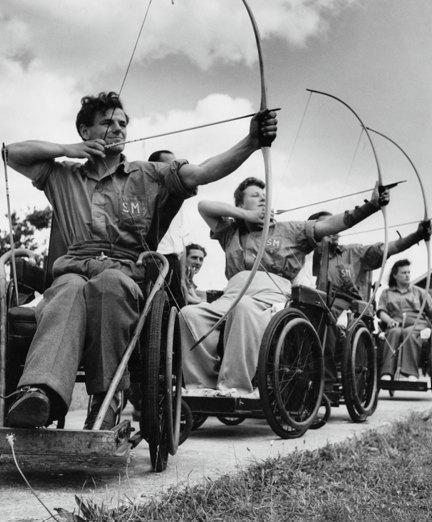
Adaptive sports developed alongside the broader disability sports movement. One important milestone occurred after the Second World War, when neurologist Sir Ludwig Guttmann introduced sports as part of rehabilitation for people with spinal cord injuries at Stoke Mandeville Hospital in England.
The Stoke Mandeville Games began in 1948 and later developed into the Paralympic Games. Adaptive sports subsequently expanded beyond rehabilitation for war veterans to include people with a wide range of physical and sensory disabilities.
Today, adaptive sports include both recreational and competitive activities. The same philosophy also has value in eldercare. Activities can be modified according to an older person’s abilities rather than expecting every participant to meet the same physical standard.
What types of adaptive sports are suitable for seniors?
There are many possibilities. The best activities are those that are enjoyable, easy to understand and simple to modify.
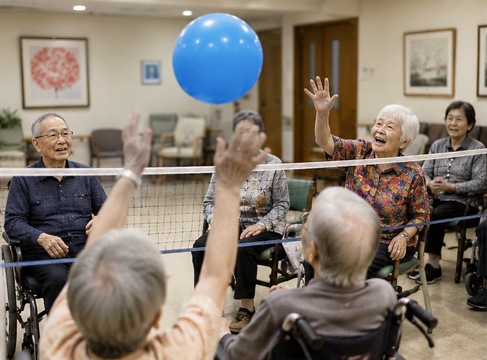
- Seated Volleyball
Participants hit a lightweight balloon or soft ball over a low net while remaining seated. The activity encourages arm movement, coordination and social interaction.
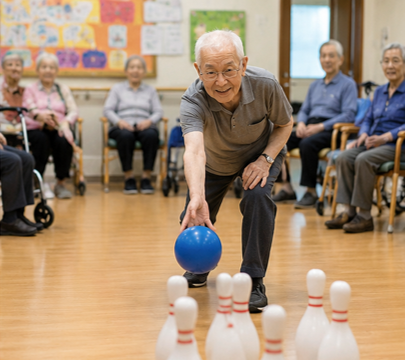
- Modified Bowling
Use lightweight balls and a shorter distance between the participant and the pins. Participants who have difficulty standing may play while seated. - Target Throwing
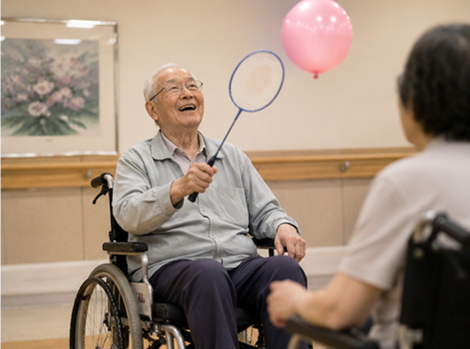
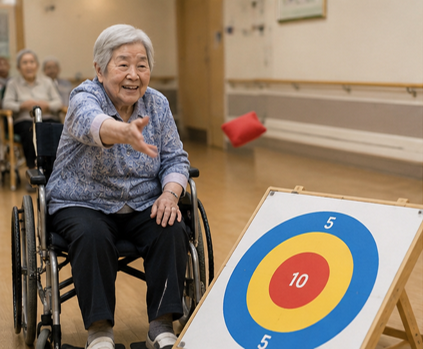
Participants throw beanbags, soft balls or rings towards a target. The distance and target size can be adjusted according to ability. - Seated Badminton
A balloon or lightweight shuttlecock can replace a conventional shuttlecock. Participants may remain seated while practising hand-eye coordination.
- Modified Boccia
Boccia is particularly suitable for people with limited mobility. Participants roll or throw soft balls towards a target ball. The distance and equipment can be adjusted to suit different abilities. - Table Tennis
Table tennis can be modified by reducing the playing distance, using larger or lighter balls, or allowing participants to play while seated. - Walking Football
Walking football removes running from the game and focuses on walking, passing and teamwork. The playing area and duration can also be reduced. - Tai Chi
Tai chi is not traditionally considered a sport in the same way as football or bowling, but modified tai chi provides an enjoyable activity involving balance, coordination, controlled movement and concentration.
For nursing homes, the activity does not need to follow formal sporting rules. The priority is participation, movement and enjoyment.
How do adaptive sports benefit older adults?
The most obvious benefit is physical activity. Depending on the sport, participants may practise strength, balance, coordination, flexibility, endurance and reaction time. But the benefits extend beyond physical rehabilitation.
- Physical Function
Repeated reaching, throwing, standing, stepping and moving helps maintain functional abilities that are important for daily activities. - Balance and Coordination
Games requiring participants to respond to moving objects or targets provide opportunities to practise hand-eye coordination, weight shifting and controlled movement. - Cognitive Stimulation
Following rules, remembering sequences, judging distance and making decisions provide cognitive challenges.
- Social Connection
Adaptive sports work particularly well as group activities. Residents interact with others, communicate, encourage teammates and share achievements. - Confidence and Motivation
A rehabilitation exercise may feel like a task. A game feels different. When residents enjoy an activity, they may become more willing to participate and practise repeatedly. Successfully hitting a target or helping a team score also provides a sense of achievement.
- Quality of Life
The ultimate goal of rehabilitation is not simply stronger muscles or better balance. It is helping older adults participate in meaningful activities and maintain independence. Adaptive sports provide an opportunity to combine rehabilitation with enjoyment.
Which seniors are suitable?
Adaptive sports are suitable for a broad range of older adults because the activity can be modified according to individual ability.
They may benefit older adults who are physically active as well as those with reduced mobility. Residents recovering from stroke, living with arthritis, experiencing muscle weakness, or using walking aids may participate in selected activities. Some activities are also suitable for people who use wheelchairs.
Older adults living with mild cognitive impairment or early dementia may benefit from simple games with clear instructions and familiar routines. Group activities also provide opportunities for social interaction.
What are the potential risks?
Adaptive sports still involve physical activity and therefore carry some risks.
Older adults may have osteoporosis, poor balance, cardiovascular conditions, joint problems, visual impairment or other conditions that increase the risk of injury. Potential problems include falls, muscle strains, joint pain, fatigue and overexertion. Cognitive impairment may also affect a person’s ability to understand instructions or recognise physical limitations.
Activities should therefore be assessed and modified before implementation. Consider the participant’s medical condition, mobility, balance, cognition, vision and endurance.
Use appropriate equipment and a safe environment. Keep the playing area free of obstacles and provide adequate space for mobility aids. Staff should also monitor participants during the activity and stop the session if a participant develops concerning symptoms such as chest pain, severe breathlessness, dizziness or sudden weakness.
How can a nursing home get started?
You do not need a large sports facility to introduce adaptive sports. Start with activities that require simple equipment and minimal space. Balloons, beanbags, soft balls, cones, hoops and lightweight bats are enough to create many different games.
Begin with a small group and assess how residents respond. First, assess the residents’ abilities and risks. Then modify the activity according to their needs. Start with simple rules and short sessions. Observe how participants perform and adjust the activity based on their responses.
The physiotherapist, occupational therapist, nursing team and activity staff should work together when appropriate. Most importantly, ask the residents what they enjoy. Some may prefer ball games. Others may enjoy bowling, throwing games, dancing or tai chi. Giving residents a choice also supports autonomy.
Keep score if participants enjoy competition, but do not make winning the main objective. For some residents, successfully participating for 20 minutes is already a meaningful achievement.
Conclusion
Adaptive sports offer an alternative way of looking at rehabilitation in eldercare. Instead of designing activities around what older adults cannot do, we design activities around what they are still able to do.
A resident who cannot stand for long may still enjoy seated volleyball. Someone who cannot walk far may participate in target throwing. A person with limited arm strength may still play a modified game using a balloon.
The sport changes according to the person. This is the real value of adaptive sports. They bring together physical activity, rehabilitation, cognitive stimulation, social interaction and enjoyment in one activity. For older adults, rehabilitation should not always feel like treatment. Sometimes, rehabilitation can feel like a game.
Caring for our ageing loved ones is a journey filled with questions, challenges, and important decisions. If you are supporting an elderly parent or caring for someone with memory loss, you may be interested in my ebooks:
- When They Need You
- When the Mind Fades
- When the Pills Multiply
- When the Road Narrows
These ebooks provide practical guidance, compassionate insights, and real-world advice for families and caregivers.
To learn more about these books and explore additional resources on ageing and eldercare, click the link Here to visit my ebook page. You do not have to navigate the ageing journey alone.