
Page Contents
When we think about a nursing home, we often picture an older person who has become frail and requires nursing care. Perhaps the person has suffered a stroke, developed dementia, experienced repeated falls, or is no longer able to manage safely at home. These are common reasons for nursing home admission. However, if we seriously think about it, every resident arrives with a different story and a different need.
How common is nursing home care?
Different countries define residential and long-term care differently, and many older adults receive care at home or through community services. The World Health Organization also notes that data on long-term care coverage remain incomplete, particularly in low- and middle-income countries.
Among OECD countries, about 4% of people aged 65 and above live in care facilities. This proportion rises to more than 10% among people aged 80 and above. As populations continue to age, the demand for long-term care is expected to increase.
This does not mean every older person will eventually need a nursing home. Many seniors prefer to remain at home (ageing in place), and many countries are expanding home and community-based care. Nevertheless, nursing homes remain an important part of the long-term care system for people who require a higher care needs.
Why do older adults move into nursing homes?
There are many reasons for nursing home admission. Some older adults are no longer able to manage safely at home because of physical frailty, dementia, stroke, Parkinson’s disease or other chronic conditions. Others require assistance with bathing, toileting, dressing, eating, mobility or medication management.
Repeated falls may make living alone unsafe. Some people enter a nursing home after hospitalisation because they need rehabilitation and support before returning home. Others have family members who live far away or have work and family responsibilities that make full-time caregiving difficult.
There are also social reasons. An older person may have lost a spouse, live alone or have limited social interaction. For some, the reason may be as simple as wanting people around them. “I don’t want to be alone anymore.”
This is why we should not assume that an older person’s needs are defined only by their medical condition.
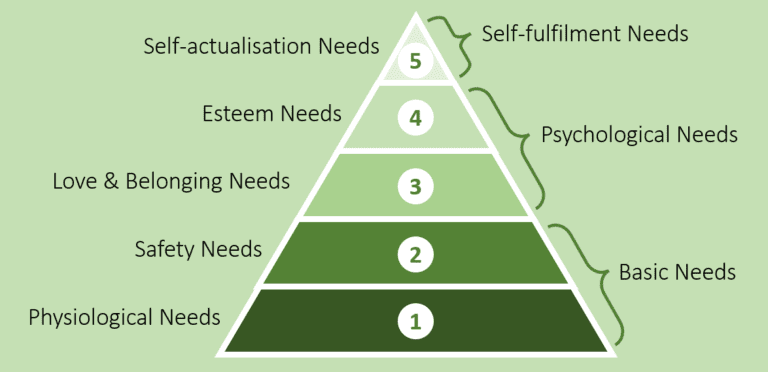
From the lenses of Maslow’s Hierarchy of Needs
Maslow’s Hierarchy of Needs offers an interesting way to understand the different reasons behind nursing home admission. At the most basic level, some residents need their physiological needs to be met. They require regular meals, adequate hydration, sleep, medication management and assistance with personal care.
The next level is safety. Some older adults no longer feel safe living alone because they have fallen, become confused, developed mobility problems or require assistance with daily activities. A nursing home provides a structured environment with staff available to support them.
Beyond safety is the need for belonging. An older person may miss having people around them. They may want someone to talk to, share meals with, celebrate festivals with or simply spend time with. For some residents, having other people around them is an important part of feeling at home.
There is also the need for esteem. Older adults still want to feel useful, respected and valued. They want to make decisions about their lives and retain control over the things they are still able to do. They should be treated as adults with their own preferences, rather than simply as recipients of care.
At the highest level is self-actualisation. Some residents see nursing home admission as an opportunity to begin something new. They may want to learn, make friends, pursue hobbies, practise their faith, participate in activities, volunteer or share their life experiences with others.
This changes the way we look at nursing home care. A resident may need a wheelchair, but their deeper need may be independence. They may need assistance with meals, but their deeper need may be dignity. They may need a room, but their deeper need may be belonging.
How can nursing homes do better?
Once we understand that residents have different needs, our approach to care also needs to change. A nursing home should not provide exactly the same experience to every resident. It shouldn’t be one-size-fit-all.
For someone with rehabilitation potential, the focus should be on restoring function and helping the person return to the community. For someone with advanced frailty or progressive dementia, the focus may be maintaining function, comfort and quality of life. For someone experiencing loneliness, social connection may be as important as clinical care.
For someone who values independence, staff should avoid doing everything for them when they are still able to participate. Helping too much may unintentionally take away opportunities to maintain their abilities.
This is where person-centred care becomes meaningful. Instead of asking only, “What care tasks do we need to complete?”, we should also ask, “What does this person need from us?”
Working hand in hand with families
The resident is not the only person going through the transition. Families are also adjusting to a major change. Children may experience guilt after admitting a parent to a nursing home. Some worry that they have abandoned their parents. Others struggle to accept that their parent now requires professional care.
Nursing homes should therefore see families as partners in care. We should understand their concerns, communicate regularly, invite their feedback and involve them in important decisions.
Family members also possess knowledge that healthcare professionals cannot easily replace. They know their parent’s favourite food, personality, childhood stories, habits, religious beliefs, fears and sources of comfort. This information helps us understand the person behind the medical diagnosis.
The best care often happens when professional expertise and family knowledge come together.
Needs change over time
Perhaps the most important lesson is that a resident’s needs do not remain the same. A person may enter a nursing home after a stroke and require intensive rehabilitation. Six months later, the person may regain sufficient function to return home.
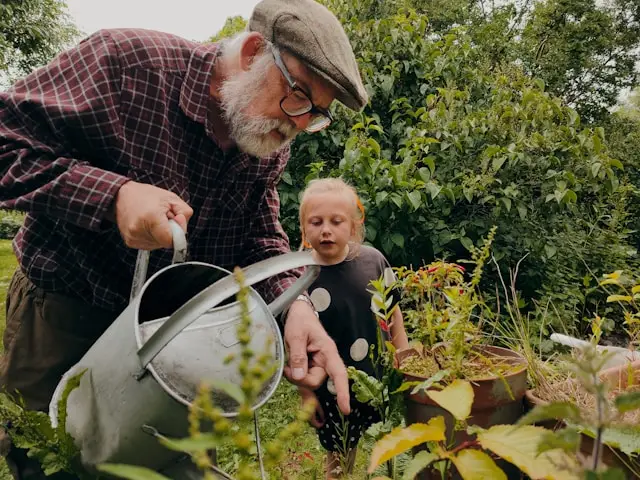
Another resident may initially require little assistance but gradually develop dementia or frailty. Someone who initially feels lonely may eventually develop close friendships with other residents. A resident who once required extensive physical care may later become interested in gardening, singing, activities or helping others.
Therefore, the admission assessment should not be the end of understanding a resident. It should be the beginning.
Care teams should regularly ask whether the resident’s goals have changed, what is important to them now, what they are still able to do and what would make their life better.
Families should also be prepared for these changes. When returning home is possible, preparation should begin early. When returning home is no longer realistic, the conversation should focus on how to create the best possible life within the nursing home.
Conclusion
The word “home” matters. A nursing home is not simply a place where residents receive nursing care. It is where they wake up, eat their meals, make friends, celebrate birthdays, receive visitors, recover from illness, develop new interests and continue living their lives.
Some residents seek safety. Some need healthcare. Some seek companionship, belonging or independence. Others may be looking for purpose or simply somewhere they can call home.
This is why nursing homes should look beyond physical care. Residents come with different histories, abilities, expectations and needs. Their physical needs matter, but so do their emotional, social, psychological and spiritual needs.
The real question is not simply, “Why was this person admitted?” but “Now that this person is here, what does this person need to live well?”
A good nursing home provides good care. The best nursing home helps residents live with dignity, purpose and a sense of belonging.
Caring for our ageing loved ones is a journey filled with questions, challenges, and important decisions. If you are supporting an elderly parent or caring for someone with memory loss, you may be interested in my ebooks:
- When They Need You
- When the Mind Fades
- When the Pills Multiply
- When the Road Narrows
These ebooks provide practical guidance, compassionate insights, and real-world advice for families and caregivers.

To learn more about these books and explore additional resources on ageing and eldercare, click the link Here to visit my ebook page. You do not have to navigate the ageing journey alone.