
Page Contents
Dying-in-place means spending the final stage of life in one’s preferred care setting, whether at home, in a nursing home or in a hospice. It is closely linked to palliative care, which focuses on relieving pain, managing symptoms and supporting emotional, social and spiritual needs.
Dying-in-place does not mean refusing all medical treatment. It means providing appropriate care that respects the person’s wishes, comfort and dignity. For some seniors, this means staying at home. For others, a nursing home or hospice may offer greater comfort and support.
How many people wish to die in their preferred place?
Many people prefer to spend their final days at home or in familiar surroundings. However, their preferences do not always match where they eventually die.
In Singapore:
A 2014 Lien Foundation survey found that 77% of respondents wished to die at home, but only 27% did so.
Ministry of Health figures indicate that around 60% of resident deaths occurred in hospitals in 2024.
In April 2026, the Ministry of Health reported that the proportion of people receiving palliative care in their last year of life had increased from 46% to 51% over the preceding two years.
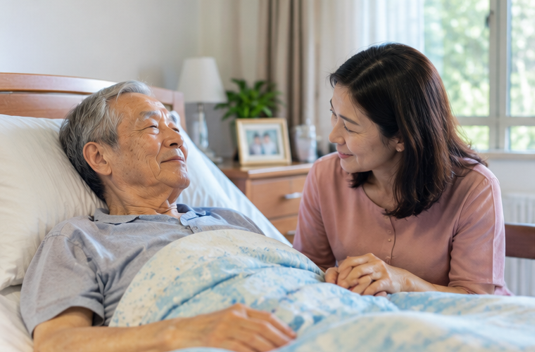
These figures highlight the importance of accessible palliative care and better advance planning. However, not everyone prefers to die at home, and preferences may change as illness progresses. The goal is to understand each person’s wishes and make reasonable efforts to honour them.
How did the concept develop?
Historically, many people died at home. As hospitals and modern medical treatments developed, more people spent their final days in healthcare institutions.
The modern hospice movement emerged to address the needs of people with incurable illnesses. It emphasised comfort, dignity, symptom relief and support for families. Palliative care subsequently expanded into hospitals, hospices, nursing homes and community settings.
In Singapore, hospice services began developing in the 1980s. Community palliative care and Advance Care Planning now help people discuss their wishes before they become too unwell to make decisions. Dying-in-place reflects a shift from asking only how an illness can be treated to asking what matters most to the person and how their remaining time can be made meaningful.
Advantages of dying-in-place
Familiar surroundings
Remaining in a familiar environment may reduce anxiety and provide comfort. Personal belongings, familiar routines and favourite music can help a person feel more at ease.
More time with loved ones
Family members may find it easier to spend meaningful time together, whether through conversation, shared memories or simply sitting quietly beside the person.
Respect for personal wishes
Dying-in-place can support individual preferences concerning privacy, routines, cultural practices and spiritual needs.
Continuity of care
A coordinated palliative care team can help manage symptoms and reduce avoidable hospital transfers when appropriate.
Personalised care
Care can focus on what matters most to the individual, such as comfort, companionship, privacy or maintaining familiar routines.
Disadvantages and challenges
Caregiver stress
Providing personal care and managing symptoms can be physically and emotionally demanding. Caregivers may experience exhaustion, anxiety and anticipatory grief.
Limited immediate support
Home-based care may not provide instant access to healthcare professionals. Families need clear instructions on whom to contact when symptoms worsen.
Difficult symptoms
Pain, breathlessness, agitation and other symptoms may require professional assessment and medication adjustments. Families should know how to obtain help promptly.
Financial and practical demands
Equipment, home modifications, caregiving assistance and medical supplies may involve additional costs. Families should explore available services and financial support.
Possible hospital transfer
A person’s condition may become too complex to manage in the preferred setting. Moving to a hospice or hospital may sometimes be necessary and does not mean the family has failed.
Who can decide?
The senior should be involved in decisions whenever possible. Old age, dementia or serious illness does not automatically mean a person lacks mental capacity.
When the senior has mental capacity
A person who can understand the relevant information, consider the options and communicate a decision should be able to express their preferences. They should discuss where they wish to receive care, what treatments they would accept and whom they want involved in decisions. Family members can offer support, but should not override a capable adult’s informed decision simply because they disagree. A person can also change their mind as circumstances change.
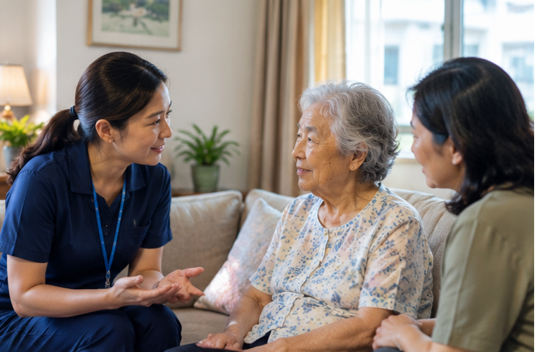
When the senior lacks mental capacity
Previous wishes and relevant care-planning documents become especially important. In Singapore, three arrangements should be understood:
Advance Care Planning (ACP)
Records a person’s values, preferences and goals for future care.Lasting Power of Attorney (LPA)
Allows appointed donees to make decisions within their authorised scope when the person loses mental capacity.Advance Medical Directive (AMD)
States that a person does not want extraordinary life-sustaining treatment used to prolong life if they are terminally ill and unconscious, subject to the relevant legal requirements.
These arrangements serve different purposes. An ACP is not the same as an AMD or LPA, and an LPA does not automatically grant unrestricted authority over every healthcare decision. When capacity is lost, healthcare professionals should follow the applicable legal and clinical framework, taking account of the person’s known wishes, values and best interests.
What should seniors and caregivers prepare?
Planning ahead can reduce uncertainty and help families respond calmly when circumstances change.
- Discuss wishes early. Talk about preferred care settings, treatment goals, fears and what matters most to the person. Revisit these conversations as needs change.
- Complete Advance Care Planning. Record the person’s preferences and share relevant information with family members and healthcare professionals.
- Arrange palliative care. Discuss referrals, symptom management, after-hours support and emergency arrangements with the treating team.
- Prepare the environment. Depending on the person’s needs, this may include a suitable bed, mobility aids, pressure-relieving equipment and space for caregivers.
- Prepare for symptom changes. Know whom to contact for advice about pain, breathlessness, agitation or other distressing symptoms. Follow professional instructions for medication.
- Support caregivers. Share responsibilities where possible, seek respite assistance and recognise when additional help is needed.
- Review the plan regularly. Reconsider arrangements if symptoms worsen, the caregiver becomes exhausted or the person’s wishes change.
Dying-in-place should be planned realistically, with flexibility to respond to changing needs.
Conclusion
Dying-in-place is about respecting personal preferences while providing appropriate care and support. For some seniors, the preferred setting is home. Others may feel safer in a nursing home or hospice. Some may later choose hospital care as their circumstances change.
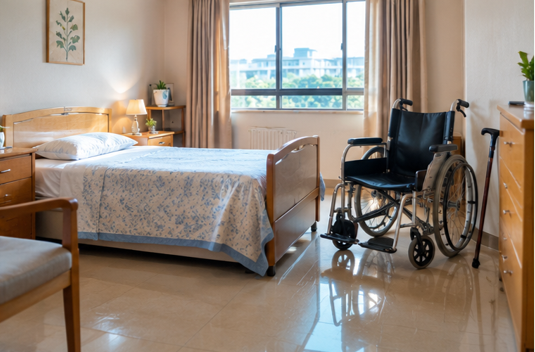
There is no single correct place to die. What matters is that the person’s wishes are heard, their comfort and dignity are protected, and caregivers receive the help they need.
Families should begin these conversations early rather than waiting for a crisis. Open discussions and realistic planning can reduce uncertainty and help everyone make more informed decisions. Respecting a senior’s decision means listening to what matters to them, planning carefully and providing compassionate support wherever care takes place.
Caring for our ageing loved ones is a journey filled with questions, challenges, and important decisions. If you are supporting an elderly parent or caring for someone with memory loss, you may be interested in my ebooks:
- When They Need You
- When the Mind Fades
- When the Pills Multiply
- When the Road Narrows
- When the Body Slows Down
- When the Body Breaks Down

These ebooks provide practical guidance, compassionate insights, and real-world advice for families and caregivers.
To learn more about these books and explore additional resources on ageing and eldercare, click the link Here to visit my ebook page. You do not have to navigate the ageing journey alone.