
Page Contents
An older woman had developed a habit that many health-conscious seniors would consider a good one. Every morning, she checked her blood pressure at home and recorded the reading. Most days, it was normal.
Yet whenever she visited the doctor, something strange happened. Her blood pressure would rise. It happened repeatedly. At home, the readings were reassuring. At the clinic, they were consistently higher.

The doctor suspected white coat hypertension, a phenomenon in which blood pressure is higher in a medical setting than it is outside the clinic. This is fairly common, and home or ambulatory blood pressure monitoring can help doctors distinguish it from persistent hypertension. But this was only the beginning of her story.
The first lesson: One number does not tell the whole story
Blood pressure is only one piece of the health puzzle. The doctor did not simply look at the blood pressure reading and prescribe medication immediately. Other information was considered, including her symptoms and blood test results.
The blood tests did not suggest an obvious infection or inflammatory condition that could explain the abnormal blood results. However, another finding caught the doctor’s attention: her platelet count was consistently higher than the normal range. A high platelet count is called thrombocytosis. Sometimes it is a temporary reaction to another condition such as infection, inflammation or iron deficiency. In other cases, it can be caused by a disorder of the bone marrow, such as essential thrombocythaemia.

This distinction matters because the treatment is very different. For an older adult, persistent abnormalities should not simply be dismissed as “part of ageing”. They deserve proper investigation.
Why was aspirin prescribed?
Because an abnormally high platelet count can, in some circumstances, be associated with an increased risk of blood clots, the doctor prescribed low-dose aspirin.
Aspirin does not “thin the blood” in the literal sense. It works mainly by making platelets less likely to stick together and form clots. For some people with essential thrombocythaemia, low-dose aspirin is part of treatment. However, it is not automatically appropriate for everyone. The decision depends on factors such as the underlying diagnosis, age, mutation status, cardiovascular risk and bleeding risk. In people with very high platelet counts, aspirin may even increase bleeding risk in certain circumstances.

This is an important lesson for older adults: Do not think of aspirin simply as a medicine that “makes the blood thinner”. Understand why your doctor has prescribed it and what risks need to be monitored.
Why did the doctor suspect a genetic problem?
The platelet count remained high despite the absence of an obvious temporary cause. At this point, the doctor began considering whether the bone marrow itself might be producing too many platelets.
One important group of conditions is known as myeloproliferative neoplasms. In essential thrombocythaemia, three important driver mutations that doctors may look for are JAK2, CALR and MPL. Testing for these mutations is normally performed using blood samples. Bone marrow examination may also be required to distinguish essential thrombocythaemia from other bone marrow disorders.
This is where the story becomes particularly relevant to older adults. Medical investigations are not always comfortable. Some involve needles, scans, procedures or hospital visits. When a doctor recommends an investigation, it is reasonable for an older person to ask: “What are you looking for, and how will the result change my treatment?” That question allows the patient and doctor to weigh the potential benefit against the discomfort and risk.
When an older person says “I don’t want the procedure”
The woman was understandably concerned about undergoing an invasive procedure. At her age, she did not want to experience unnecessary pain or take a risk unless she could understand the benefit clearly.
Respecting that decision is part of good geriatric medicine. Older adults should not be pressured into every possible investigation simply because it is technically available. At the same time, refusing an investigation without understanding what it is intended to achieve may also carry risks.

The best approach is shared decision-making. The conversation should include questions such as:
- What are we trying to diagnose?
- What could happen if we do nothing?
- Are there less invasive alternatives?
- Will the result change the treatment?
- What are the risks of the treatment itself?
These questions are particularly important for older adults who may have several medical conditions and may be taking multiple medications.
Then something else changed
Over the following months, her blood pressure began to rise more consistently. This was different from the earlier pattern.
Previously, the main concern had been high readings in the doctor’s clinic despite normal readings at home. Now, the blood pressure was becoming higher over time.
The doctor became concerned about the possibility of long-term complications of hypertension, including stroke, heart disease and heart failure. This illustrates another important principle: A medical condition can change.
A person who previously had normal home blood pressure should not assume that the same pattern will continue forever. Ageing, changes in weight, kidney function, medications, activity levels, stress and other health conditions can all influence blood pressure. That is why regular monitoring remains important.
Why was an ECG ordered?
The doctor arranged an electrocardiogram, or ECG. An ECG records the electrical activity of the heart. It can provide useful information about heart rhythm and certain signs of heart disease. Fortunately, her ECG was normal.
But a normal ECG does not mean that high blood pressure can be ignored. An ECG is only one part of cardiovascular assessment. Hypertension can damage the heart, brain, kidneys and blood vessels over time, sometimes before a person develops obvious symptoms. The 2025 American Heart Association/American College of Cardiology guideline continues to recognise high blood pressure as a major modifiable risk factor for stroke, heart failure, kidney disease and other cardiovascular conditions.

Why start blood pressure medication?
The doctor eventually prescribed a low-dose blood pressure medicine.
Some older adults are reluctant to start medication because they feel well. They may say: “I don’t feel dizzy.”, “My blood pressure was normal last year.”, “I don’t want to take another pill.”.
These are understandable concerns. However, high blood pressure is often called a silent condition because a person may feel perfectly well while damage is gradually occurring inside the body.
Medication does not mean that someone has “failed” at managing their health. Sometimes lifestyle changes are not enough, particularly as we age. Medication may be necessary to reduce the long-term risk of stroke and cardiovascular disease.
At the same time, treatment in older adults should be individualised. Doctors need to consider frailty, other medications, kidney function, risk of falls and the possibility of blood pressure becoming too low. The goal is not simply to achieve a perfect number. The goal is to achieve better health with the least unnecessary burden.
What about hydroxyurea?
If the woman is eventually diagnosed with a high-risk form of essential thrombocythaemia, the doctor may consider a platelet-lowering medicine such as hydroxyurea (hydroxycarbamide).
Hydroxyurea is a cytoreductive medication. In simple terms, it helps reduce the excessive production of blood cells, including platelets.
For older adults with high-risk essential thrombocythaemia, hydroxyurea is commonly used as a first-line cytoreductive treatment, often together with low-dose aspirin when appropriate. Treatment requires regular blood monitoring because the medication can suppress blood-cell production and requires dose adjustment according to the person’s response.
If a procedure has been proposed in an individual case, the patient should ask the doctor exactly what the procedure is intended to diagnose or monitor, because the standard evaluation of suspected essential thrombocythaemia involves blood tests, molecular testing and, when needed, bone-marrow assessment.
What can we learn from her story?
This story contains several lessons for anyone approaching older age.
1. Know your numbers
Checking blood pressure at home can be extremely useful. But home monitoring does not replace medical assessment. Bring your blood pressure record to your appointments so your doctor can see the pattern over time. A validated upper-arm monitor and correct measurement technique are important.
2. Do not ignore persistent abnormal blood tests
One abnormal result does not necessarily mean that something serious is happening. But when an abnormal result persists, it deserves an explanation. Ask your doctor what the abnormality means, what might be causing it and whether further investigation is necessary.
3. Ask questions before agreeing or refusing
Older adults have the right to make decisions about their own healthcare. But an informed decision is better than a fearful decision. If a procedure is recommended, ask what it is for, what the risks are, whether there is an alternative and what could happen without it.
4. Do not stop treatment simply because you feel well
Blood pressure and some blood disorders can remain silent for a long time. Feeling well is wonderful, but it does not necessarily mean that everything inside the body is well controlled.
5. Look at the whole picture
Good geriatric medicine does not focus on one laboratory result or one blood pressure reading. Doctors look at the person’s age, medical history, medications, functional ability, lifestyle, laboratory results, symptoms, risks and personal preferences. The treatment plan should fit the person, not just the disease.
Prevention begins before something goes wrong
Perhaps the biggest lesson from this story is the value of health screening before symptoms appear. Young-old adults in their 50s, 60s and 70s often feel well. That is precisely why regular health checks are valuable.
Blood pressure, blood sugar, cholesterol, kidney function, blood counts and other appropriate screening tests can provide early warning signs.
But screening is only the first step. Healthy ageing also depends on regular physical activity, a balanced diet, adequate sleep, maintaining a healthy weight, avoiding tobacco, limiting excessive alcohol and staying socially and mentally active. Most importantly, older adults should remain engaged in their own healthcare.
Bring your medication list to appointments. Keep a record of important measurements. Tell your doctor about new symptoms. Ask questions when something is unclear. If you are uncomfortable with a recommended procedure, say so and discuss alternatives rather than simply disappearing from follow-up.
Conclusion
The woman in this story did not have one simple medical problem. She had an unusual blood pressure pattern, a persistently elevated platelet count and the possibility of an underlying blood disorder. As time passed, her blood pressure pattern changed again. Each new piece of information required the doctor to reassess the situation. That is how good healthcare works.
It is not about finding one answer and stopping. It is about observing, investigating, reassessing and adapting. For older adults, the message is simple: do not wait until you feel sick before taking care of your health.
Go for regular health screening. Know your numbers. Maintain a healthy lifestyle. Take persistent abnormalities seriously. And when treatment is recommended, have an open conversation with your doctor about its benefits and risks. Growing older does not mean accepting every medical procedure without question, nor does it mean refusing treatment because we are afraid. It means making informed decisions that give us the best opportunity to remain healthy, independent and able to enjoy the years ahead.
Caring for our ageing loved ones is a journey filled with questions, challenges, and important decisions. If you are supporting an elderly parent or caring for someone with memory loss, you may be interested in my ebooks:
- When They Need You
- When the Mind Fades
- When the Pills Multiply
- When the Road Narrows
These ebooks provide practical guidance, compassionate insights, and real-world advice for families and caregivers.
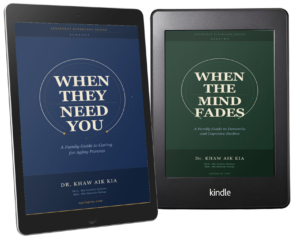
To learn more about these books and explore additional resources on ageing and eldercare, click the link Here to visit my ebook page. You do not have to navigate the ageing journey alone.