
Page Contents
Ageing itself does not mean that a person must lose their teeth or develop poor oral health. Nevertheless, the risk of dental caries, gum disease, dry mouth, tooth loss and difficulties with chewing and swallowing tends to increase with age.
Older adults may also take multiple medications, some of which contribute to dry mouth. Physical or cognitive impairment may make tooth brushing more difficult. People living with dementia may forget to brush their teeth or resist assistance with oral care.
Poor oral function also affects eating. When chewing becomes difficult, a person may avoid meat, vegetables, nuts and other harder foods. Their diet may become softer and less varied. Over time, this may contribute to inadequate nutrition and loss of muscle strength.
For older adults, oral health is therefore closely connected with nutrition, communication, dignity and independence.
How serious is poor oral health globally?
Oral disease is one of the world’s most common health problems. The World Health Organization estimates that almost 3.5 billion people, about 45% of the global population, live with some form of oral disease. Untreated dental caries is the world’s most common health condition, while severe periodontal disease affects about 1 billion people. Older adults living alone or in care homes are among groups carrying a higher burden of oral disease.
Tooth loss is also an important concern. Complete tooth loss affects hundreds of millions of people worldwide. Although dentures provide valuable support, retaining natural teeth remains an important goal because natural teeth contribute to chewing and oral function.
There is also encouraging evidence from Japan. The proportion of people achieving the 8020 target has increased substantially since the movement began. Japan’s 2024 dental disease survey estimated that 61.5% of people aged 75 to 84 had at least 20 natural teeth at age 80, compared with 51.6% in the previous survey. This improvement demonstrates an important lesson: tooth loss is not simply an unavoidable consequence of ageing.
What is the 8020 Movement?
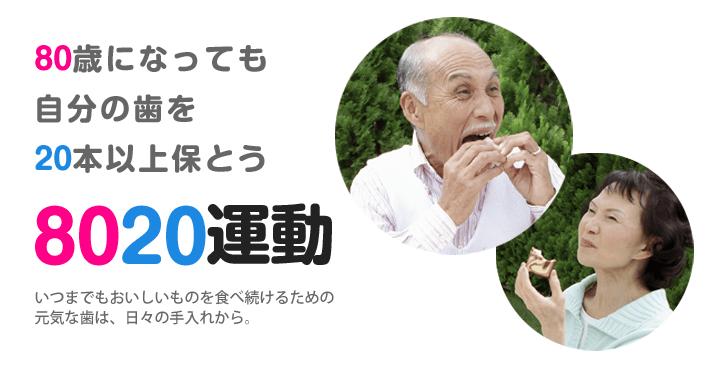
The 8020 Movement, pronounced “Hachi-Maru-Ni-Maru” in Japan, means keeping at least 20 natural teeth at the age of 80.
The movement was proposed in 1989 by Japan’s Ministry of Health and the Japan Dental Association. The number 80 represented the approximate life expectancy at the time, while 20 represented the number of natural teeth considered sufficient for satisfactory chewing of a wide range of foods.
The original message was simple: “Keep 20 natural teeth until you are 80.”. Today, the philosophy has evolved beyond reaching a specific age. Since Japanese life expectancy has increased considerably, the broader objective is to preserve oral function throughout older age.
The 8020 Movement is therefore not about achieving a perfect set of teeth. It is about preserving the ability to eat, communicate and participate in daily life for as long as possible.
What happens when oral health deteriorates?
Poor oral health affects much more than the mouth. Good oral care therefore protects much more than teeth.
Eating and nutrition
Painful teeth, missing teeth or poor chewing ability may lead older adults to avoid certain foods. A person may choose softer foods because they are easier to eat. If dietary variety becomes restricted, adequate protein, fibre and micronutrient intake may become more difficult.
Swallowing
Declining oral motor function may contribute to difficulty managing food and fluids. Older adults with impaired swallowing face an increased risk of aspiration and related complications.
Physical function
Poor oral health and poor oral function are associated with frailty and functional decline. The relationship is complex and involves nutrition, inflammation, physical function and social factors.
Social interaction
Teeth and oral function also influence speech and appearance. Someone who feels embarrassed about their teeth or struggles to speak clearly may withdraw from social situations.
Quality of life
Eating a favourite meal, enjoying a cup of tea with friends, speaking clearly to family members and smiling for a photograph are ordinary experiences. Losing these abilities may have a significant effect on an older person’s quality of life.
The benefits of good oral health
Maintaining good oral health supports several aspects of healthy ageing.
Good teeth and oral function support effective chewing and a more varied diet. Regular oral care helps prevent dental caries, gum disease, oral discomfort and tooth loss. Maintaining oral function also supports communication and social interaction.
For older adults, preserving oral function forms part of maintaining independence. Being able to eat independently and comfortably is an important component of daily living.
The 8020 approach also changes how we think about prevention. Instead of waiting until an older person loses most of their teeth, the focus shifts towards protecting teeth and oral function throughout the life course.
How do we screen for oral frailty?
Oral frailty refers to a decline in oral function and is associated with increasing care needs and functional decline.
A useful screening approach is the Oral Frailty 5-item checklist developed through Japanese geriatric and gerodontology consensus work. The five areas are:
- Fewer natural teeth, fewer than 20.
- Difficulty eating tough foods compared with six months earlier.
- Choking on tea or soup recently.
- Frequent dry mouth.
- Difficulty pronouncing words clearly.
The checklist provides a simple way to identify older adults who might need further oral assessment.
Another tool, the Oral Frailty Index-8, includes questions about chewing, choking, dentures, dry mouth, social participation, ability to eat harder foods, tooth brushing frequency and dental attendance. A score of 4 or more indicates higher risk of oral frailty in the validated screening population.
These tools are screening instruments, not diagnostic tests. A concerning result should lead to further assessment by an appropriate healthcare or dental professional.
Preventive tips and oral exercises
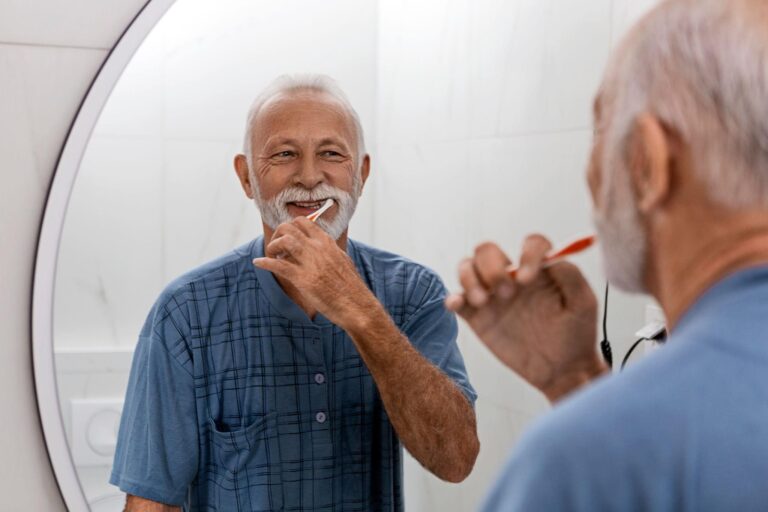
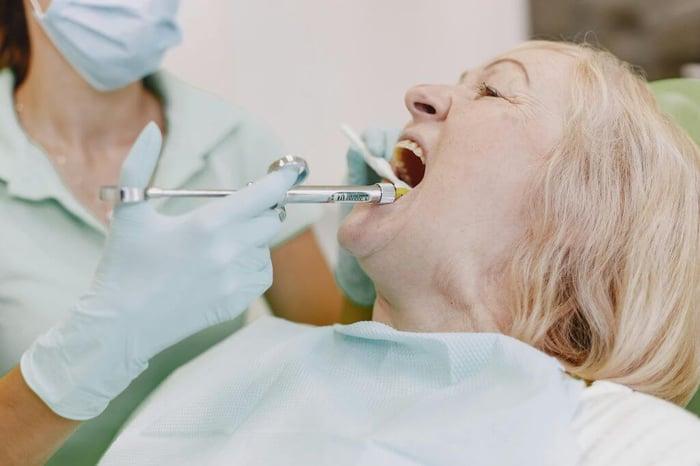
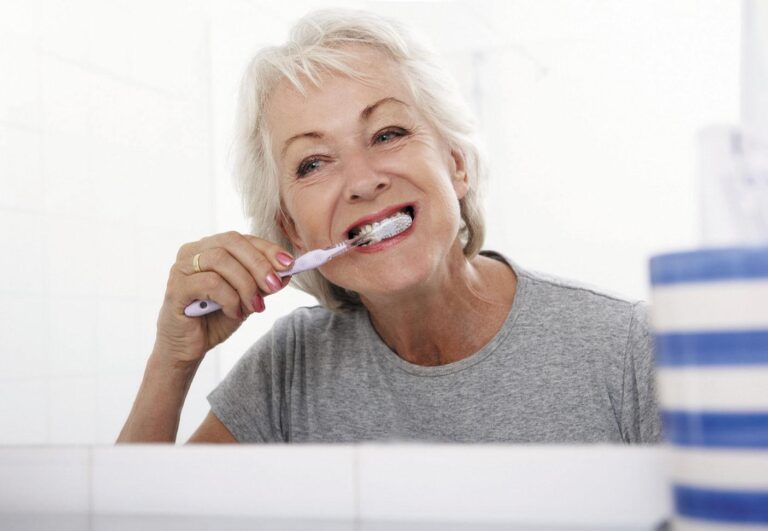
Good oral health begins with everyday habits. Brush your teeth at least twice a day with fluoride toothpaste. Clean between the teeth using floss or an appropriate interdental brush. Clean dentures properly if you wear them. Attend regular dental examinations and seek treatment early when pain, bleeding gums, loose teeth or other problems appear.
For older adults, oral care should also include maintaining oral motor function. Simple exercises include:
- Open and close the mouth slowly.
- Move the tongue from side to side.
- Touch the tongue to the roof of the mouth.
- Practise clear pronunciation of sounds such as “pa-pa-pa”, “ta-ta-ta” and “ka-ka-ka”.
- Practise deliberate swallowing of saliva.
- Massage the cheeks gently.
- Perform exercises recommended by a dental professional or speech and swallowing therapist.
Adequate hydration also matters, especially for people experiencing dry mouth.
Chewing appropriate foods also provides natural oral stimulation. Food texture should match the person’s chewing and swallowing ability. Someone with swallowing difficulties should receive an individualised assessment rather than being encouraged to eat harder foods without professional guidance.
Conclusion
The 8020 Movement offers a simple message with a much deeper meaning. Keeping 20 natural teeth at 80 is not the ultimate goal. The real goal is to preserve the ability to eat, speak, smile, communicate and participate in life.
For older adults, oral health is part of healthy ageing. A healthy mouth supports nutrition, independence, social connection and dignity. Families and caregivers should therefore treat oral care as part of everyday healthcare rather than an optional extra. Nursing homes should also integrate oral assessment, daily oral care, dental review and oral function exercises into routine care.
We often measure healthy ageing by blood pressure, mobility, weight and cognitive function. We should also ask a simple question: “How well is this person able to eat, chew, swallow and enjoy food?”. Sometimes, the condition of the mouth tells us much more about an older person’s overall well-being than we realise.
Caring for our ageing loved ones is a journey filled with questions, challenges, and important decisions. If you are supporting an elderly parent or caring for someone with memory loss, you may be interested in my ebooks:
- When They Need You
- When the Mind Fades
- When the Pills Multiply
- When the Road Narrows
These ebooks provide practical guidance, compassionate insights, and real-world advice for families and caregivers.

To learn more about these books and explore additional resources on ageing and eldercare, click the link Here to visit my ebook page. You do not have to navigate the ageing journey alone.