
Page Contents
We are living in an internet era where computers and internet-connected devices have become part of everyday life. People use them to read the news, communicate with family and friends, watch movies, listen to music, manage finances, learn new skills and search for information. Yet for many older people living in nursing homes, access to the digital world remains limited.
The digital gap in nursing homes
In many nursing homes, only a small proportion of residents have their own mobile phone, tablet or iPad. Even when residents have these devices, small screens and unfamiliar technology may make them difficult to use. A shared computer with a large screen, keyboard and mouse would give residents another way to access the internet comfortably.
The issue is therefore not simply whether an elderly person owns a smartphone. It is whether residents living in nursing homes still have reasonable access to information, entertainment, learning and communication through the digital channels used by wider society.
Why is computer access often overlooked?
Nursing homes understandably focus on essential care, including nursing, medication, meals, personal care, rehabilitation, infection prevention, medical appointments and safety. Activities are also organised to keep residents physically and socially engaged. As a result, technology is sometimes treated as an optional activity rather than part of everyday life.
Many activities also focus on group participation, such as exercise, singing, games, celebrations, arts and crafts. These activities are valuable, but they do not suit everyone. Some residents prefer quiet activities and would rather spend time reading, watching a movie, listening to music or pursuing their own interests.
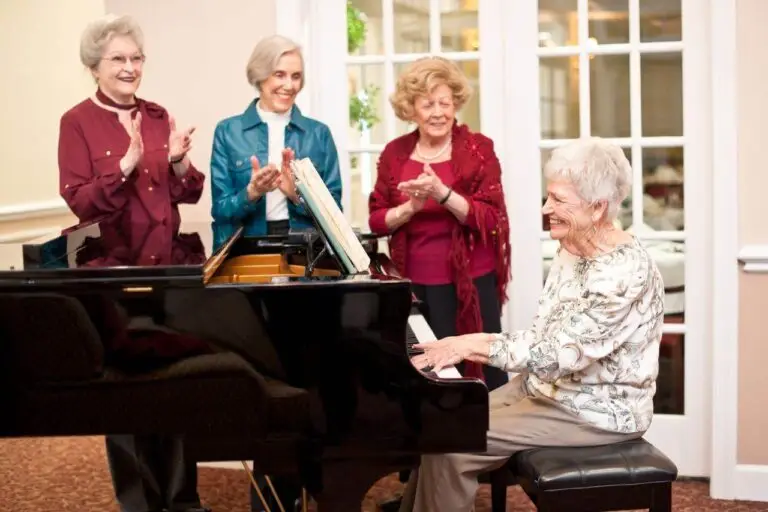
Not every resident wants a group activity
Moving into a nursing home should not mean giving up personal interests. A resident who used to read the newspaper every morning might enjoy reading online news. Someone who loves music might listen to favourite songs, while another resident might enjoy painting, cooking videos, history or exploring places they once visited.
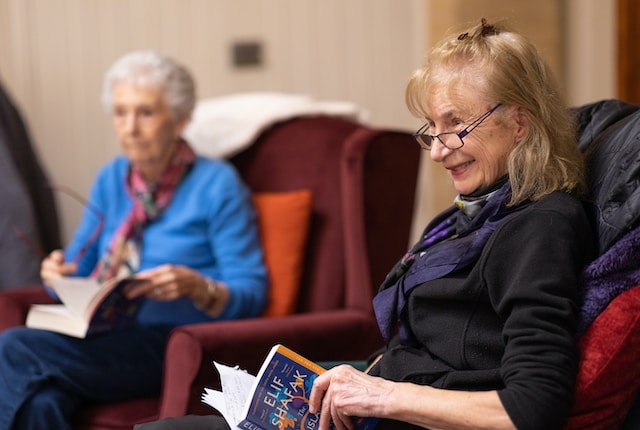
The internet gives residents access to a wide range of individual activities. More importantly, residents have a choice in how they spend their time. For someone who prefers quiet activities, this could provide a welcome alternative to organised group programmes.
What if a nursing home had an Internet Café?
One practical solution is to establish a small Internet Café within the nursing home. It could be a quiet room, part of an existing activity room or a corner of a library. A pilot could start with four to eight computers, large monitors, comfortable chairs, suitable keyboards, headphones and reliable internet access.
Residents who already know how to use computers could use the facility independently, while beginners could receive assistance from staff, volunteers or family members. Simple illustrated guides could explain common tasks such as using the mouse, opening a browser, searching for information, watching videos and making video calls.
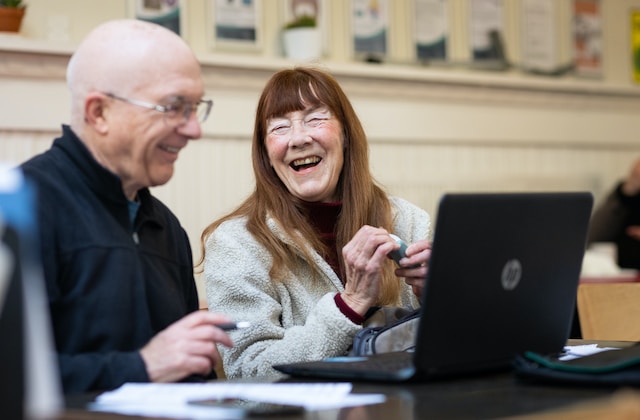
There is no need to start with an elaborate technology centre. A small pilot would allow the nursing home to understand how residents use the facility and which activities they enjoy before deciding whether to expand it.
What could residents do online?
The possibilities extend well beyond watching videos. Residents could read newspapers, follow sports, listen to music, watch movies, play games, look at family photographs, search for hobbies or explore places they have visited. Those interested in creative activities could access painting, drawing, photography, writing and craft resources.
The internet also provides educational opportunities. Residents could learn about languages, music, art, history, geography or current affairs. For older people who have always enjoyed learning, moving into a nursing home should not mean the end of that interest.
Connecting residents with their families
Family connection is perhaps one of the most meaningful uses of the internet. Children and grandchildren may live overseas or have busy work and family commitments that make frequent visits difficult. Video calls give residents another way to maintain these relationships.
A large computer screen may also be easier for some residents to use than a smartphone. They could sit comfortably and speak with family members, share photographs or watch something together. Technology does not replace physical visits, but it provides another channel for maintaining relationships when physical contact is difficult.

The internet can support independence
Computer access also gives residents more control over how they spend their time. Instead of relying on staff or family members to find information, residents could search for the weather, sports results, music, photographs, maps or information about places and subjects that interest them.
These may seem like small choices, but independence is built through many such choices. A computer gives residents another opportunity to decide what they want to read, watch, listen to or learn.
Internet use also needs boundaries
Internet access also brings risks. Excessive screen time could reduce physical activity, social interaction and participation in other activities. Older people who are unfamiliar with the online environment could also encounter scams, phishing messages, fraudulent websites, misleading health information and inappropriate content.
The nursing home should therefore provide secure networks, appropriate content controls and basic education on online safety, passwords, personal information and suspicious messages. The purpose should not be to maximise screen time, but to give residents another meaningful option for spending their time.
Technology should complement other activities
The Internet Café should complement rather than replace exercise, rehabilitation, social activities and face-to-face interaction. One resident might enjoy an exercise class, another might prefer arts and crafts, while someone else might choose to sit quietly at a computer and read the news. A person-centred activity programme should recognise these different preferences.
This is particularly important in nursing homes because residents have different personalities and interests. Providing more choices does not mean every resident needs to use a computer. It simply means that those who want to use one have the opportunity.
How to make the Internet Café elderly-friendly
The Internet Café should be designed around the needs of older users rather than simply placing standard computers in a room. Large monitors, adjustable screen brightness, large-print keyboards, easy-grip mice, comfortable chairs, suitable desk heights and good lighting would make the environment easier to use. Headphones with adjustable volume could also help residents with hearing difficulties.
The computer interface should be simple, with frequently used websites and applications displayed as large icons. Short printed guides with screenshots could help residents complete common tasks. Staff, volunteers or family members could provide assistance, while encouraging residents to perform tasks themselves rather than taking over. The Internet Café should feel like a welcoming activity space where residents learn at their own pace, rather than a classroom where they are tested on their computer skills.
Conclusion
A nursing home is more than a place where older people receive nursing and personal care. It is also their home. Residents should still have opportunities to maintain their interests, relationships, independence and connection with society after moving into long-term care.
The investment does not need to be large. A few computers, a suitable space, reliable internet access and basic support could give residents another range of meaningful activities. The purpose is not to turn the nursing home into a technology centre. It is to give residents another choice.
For the resident who wants to read the morning news, watch a favourite movie, listen to an old song, learn something new or speak to a grandchild overseas, a computer could provide an important connection to life outside the nursing home.
Perhaps the question is not whether elderly residents need computers. A better question is whether moving into a nursing home should mean losing access to a part of everyday life that has become essential to modern society.
Caring for our ageing loved ones is a journey filled with questions, challenges, and important decisions. If you are supporting an elderly parent or caring for someone with memory loss, you may be interested in my ebooks:
- When They Need You
- When the Mind Fades
- When the Pills Multiply
- When the Road Narrows
These ebooks provide practical guidance, compassionate insights, and real-world advice for families and caregivers.
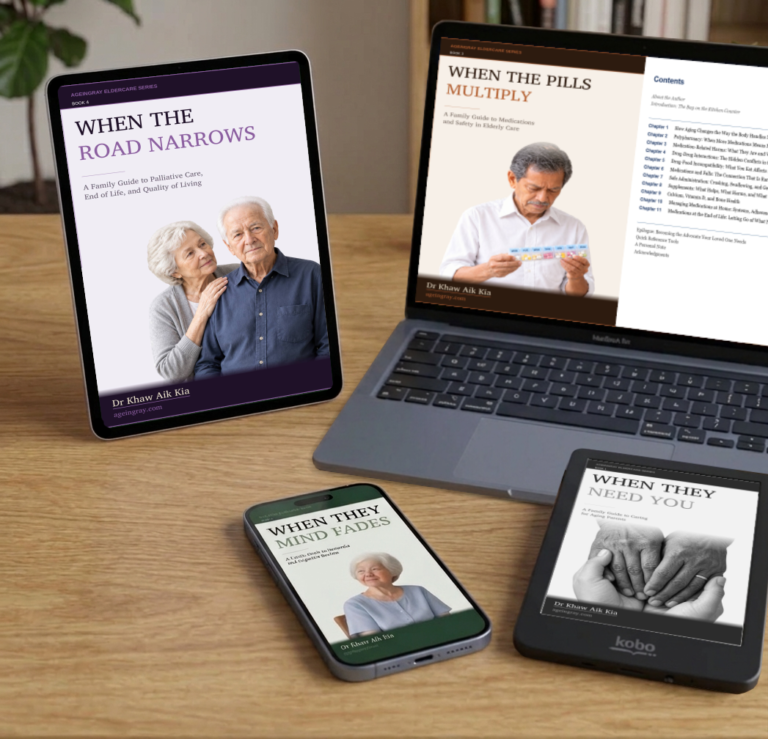
To learn more about these books and explore additional resources on ageing and eldercare, click the link Here to visit my ebook page. You do not have to navigate the ageing journey alone.