
Page Contents
On 18 June 2026, the Singapore Ministry of Health (MOH) announced its decision to revoke the licence of Windsor Convalescent Home, citing serious and systemic lapses in resident safety, clinical care, nursing care, infection prevention and control, and organisational governance.
The revocation will take effect on 30 October 2026. In the interim, MOH has deployed an external care team from another nursing home to ensure residents continue receiving safe care while arrangements are made for transfers to other nursing homes.
While the incident concerns a single nursing home, the lessons extend far beyond one organisation. It serves as a reminder that nursing home quality depends not only on frontline caregiving, but also on strong leadership, governance, and accountability.
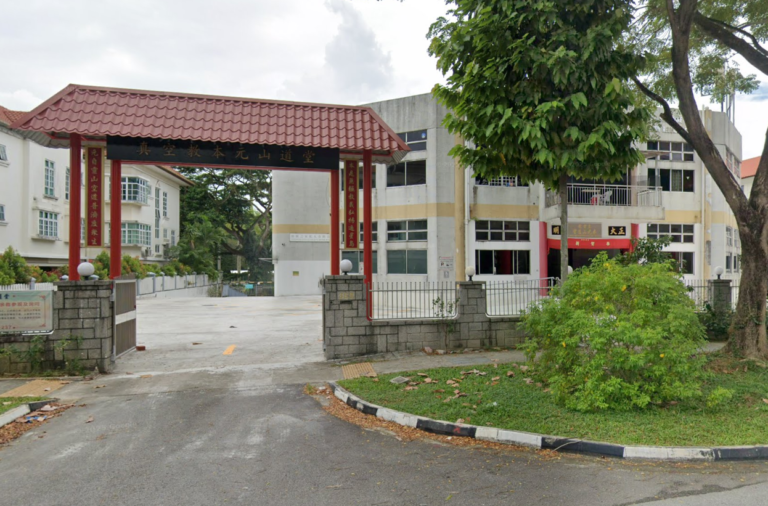
Why is this incident significant?
Many nursing home incidents involve isolated errors or individual lapses. What makes this case different is the breadth and seriousness of the findings. The deficiencies were found across multiple systems:
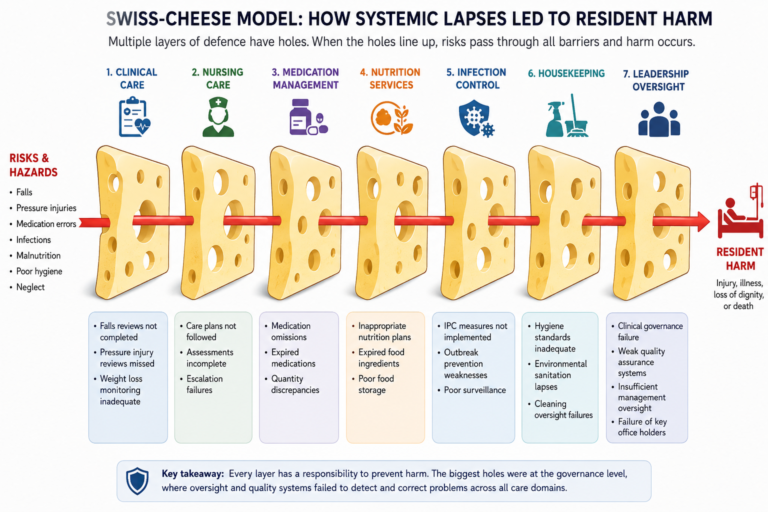
When failures occur simultaneously across several domains, the problem is rarely an individual staff member. Instead, it points to weaknesses in the organisation’s systems and governance structures. This appears to be why MOH characterised the lapses as “serious and systemic”.
Understanding the root causes
Leadership and Governance Failures
The most significant finding in MOH’s statement may not be the medication errors or infection control lapses. Instead, it is the finding that key office holders failed to exercise adequate clinical governance and operational oversight. Clinical governance refers to the systems through which organisations ensure safe, effective, and high-quality care. It includes:
- Monitoring quality indicators
- Reviewing adverse events
- Conducting audits
- Ensuring staff competency
- Managing risks
- Driving continuous improvement
When governance systems fail, frontline care quality often deteriorates.
Failure of Multiple Safety Barriers
Healthcare organisations rely on multiple layers of defence to protect residents. For example:
- Care staff delivering daily care
- Nurses supervising care delivery
- Managers monitoring quality indicators
- Internal audits identifying deficiencies
- Senior leadership overseeing organisational performance
In this case, multiple layers appear to have failed simultaneously.
- Expired medications should have been detected by medication audits.
- Expired food should have been identified through kitchen inspections.
- Poor infection control practices should have been detected through environmental audits.
- Failure to review pressure injuries and falls should have been escalated through clinical governance processes.
The presence of multiple failures suggests weaknesses in the overall quality management system.
Not just a compliance issue, it is a safety culture issue
The incident raises important questions about organisational culture.
- A compliance culture focuses on meeting minimum regulatory requirements.
- A safety culture focuses on identifying and addressing risks before harm occurs.
In organisations with strong safety cultures:
- Staff speak up when they identify concerns
- Near-misses are reported and analysed
- Audits drive improvement
- Leaders actively monitor risks
- Residents’ dignity and safety remain central priorities
The findings suggest that Windsor’s challenges extended beyond documentation and compliance. They point towards broader concerns regarding safety culture and accountability.
Why did MOH revoke the licence?
A key question is why MOH chose licence revocation rather than corrective action alone. Several factors likely influenced the decision:
- The seriousness of the deficiencies
- The number of affected care domains
- The systemic nature of the findings
- Concerns regarding governance and oversight
- Assessment that residents could not continue to be cared for safely
Licence revocation is one of the most severe regulatory actions available under the Healthcare Services Act (HCSA). The decision signals that resident safety remains the overriding priority.
International perspectives
Singapore is not unique in taking strong action against aged care providers that fail to protect residents. In the United States, regulators may impose fines, appoint temporary management, deny payments, or terminate a nursing home’s participation in Medicare and Medicaid programmes. In England, the Care Quality Commission (CQC) may restrict admissions, suspend services, cancel registration, or prosecute providers. In Australia, the Aged Care Quality and Safety Commission has powers to issue sanctions, suspend or revoke registration, and ban unsuitable providers or responsible persons from participating in aged care services.
Across these jurisdictions, a common principle applies: where systemic governance failures create unacceptable risks to resident safety, regulators are prepared to intervene decisively.
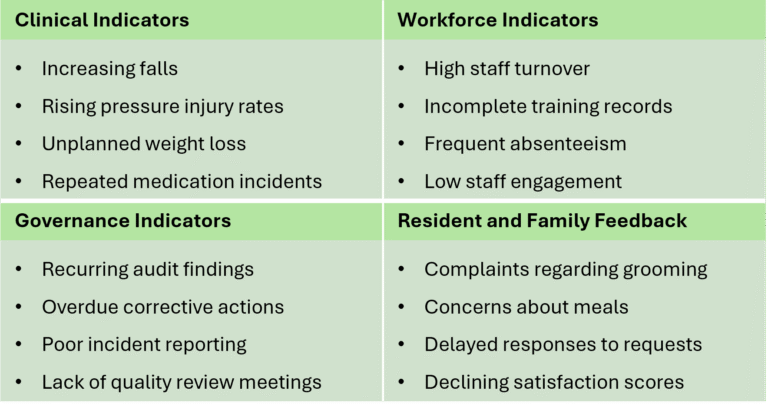
Early warning signs every nursing home should watch
Many major failures do not occur suddenly. Warning signs often appear months before regulatory action. These signals should trigger immediate investigation and corrective action.
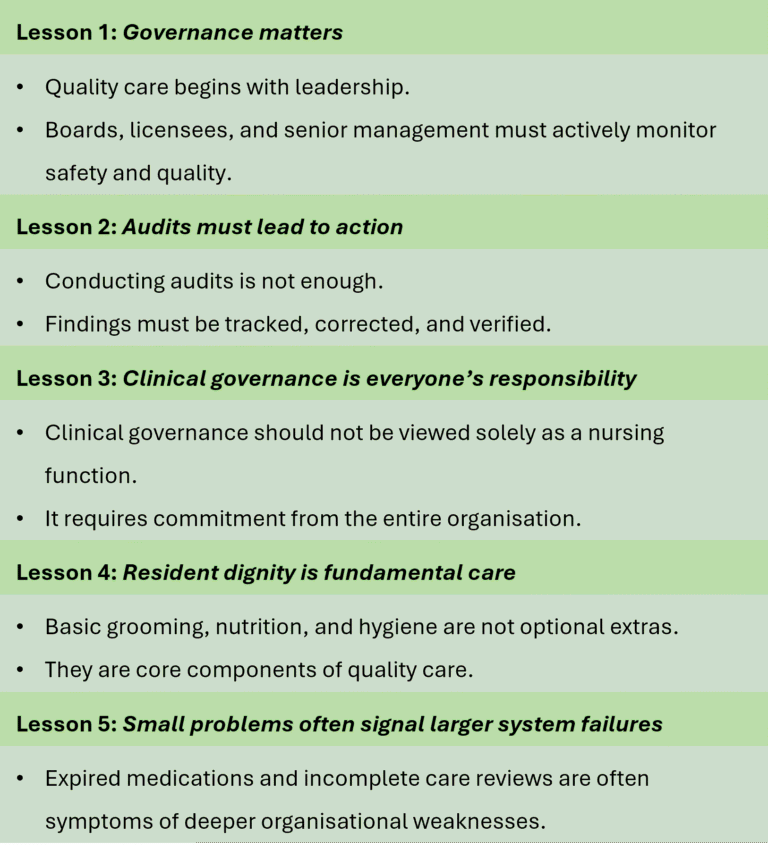
Five lessons for nursing home leaders
This incident offers important lessons for the entire long-term care sector. Addressing issues early prevents escalation.
Looking forward
MOH has indicated that the findings will be shared with the sector and that additional support and training will be provided. This presents an opportunity for nursing homes to review their own governance frameworks, quality assurance processes, and safety culture. The Windsor Convalescent Home case should not be viewed simply as a regulatory enforcement action. It should be viewed as a sector-wide learning opportunity.
Ultimately, nursing homes exist to protect some of society’s most vulnerable individuals. Compliance with regulations represents the minimum standard. The true goal is to build organisations where safety, dignity, accountability, and quality are embedded in everyday practice. The strongest lesson from this incident is not about medication errors, infection control lapses, or documentation deficiencies. It is about leadership. When governance systems fail, resident care suffers. When governance is strong, many risks are identified and addressed before they ever reach residents.
Caring for our ageing loved ones is a journey filled with questions, challenges, and important decisions. If you are supporting an elderly parent or caring for someone with memory loss, my ebooks, When They Need You: A Family Guide to Caring for Aging Parents and When the Mind Fades: A Family Guide to Dementia and Cognitive Decline, provide practical guidance, compassionate insights, and real-world advice for families and caregivers.

To learn more about these books and explore additional resources on ageing and eldercare, click the link Here to visit my ebook page. You do not have to navigate the ageing journey alone.