
Page Contents
Growing old should never mean losing one’s dignity.
Yet in many eldercare settings around the world, older adults gradually lose more than just their physical abilities. They lose opportunities to make decisions, perform daily activities, and maintain independence. What often begins as an effort to “keep them safe” may unintentionally accelerate physical decline, emotional distress, and dependence.
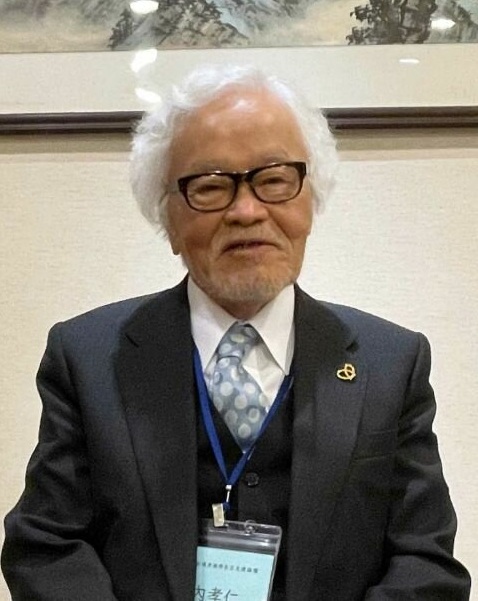
More than four decades ago, Japanese gerontology expert Professor Takeuchi Takahito challenged this traditional approach. His philosophy of “Self-Reliance Support Care” transformed the way many professionals think about ageing. Rather than asking, “What can we do for older adults?” he asked a different question: “What are they still able to do for themselves?”
His philosophy continues to influence modern geriatric care and remains highly relevant as societies face rapidly ageing populations.
Current practices that restrict older adults
Many nursing homes provide excellent care, but certain traditional caregiving practices still exist, often driven by staffing shortages, fear of falls, or operational efficiency rather than the resident’s long-term well-being.
Common examples include:
- Prolonged use of diapers instead of assisting residents to the toilet.
- Keeping residents in bed for extended periods to reduce falls or simplify care.
- Using physical restraints such as lap belts, bed rails, or restraint chairs.
- Completing daily activities entirely for residents instead of encouraging participation.
- Restricting movement because of concerns about safety.
While these measures may appear to reduce immediate risks, they often create new problems that affect the resident’s physical, emotional, and psychological health.
The hidden consequences of overprotective care
Older adults gradually lose abilities that they no longer use. This concept is often described as “use it or lose it.”
When residents are routinely placed in diapers instead of walking to the toilet, they may gradually lose continence and confidence. Remaining in bed for long periods accelerates muscle loss, reduces balance, weakens bones, and increases the risk of pressure injuries and pneumonia. Physical restraints may prevent movement temporarily but often lead to fear, agitation, injury, and a loss of personal dignity.
Beyond physical decline, excessive dependence also affects emotional well-being. Many older adults experience reduced self-esteem when they are no longer allowed to perform simple tasks they are still capable of doing. Some become socially withdrawn or develop learned helplessness, believing they are incapable even when they still possess the ability.
The result is often a cycle of increasing dependence, declining function, and reduced quality of life.
Professor Takeuchi Takahito’s philosophy
In the 1980s, Professor Takeuchi Takahito introduced the philosophy of Self-Reliance Support Care, known in Japanese as “自立支援介護.”
The philosophy is built upon a simple but powerful belief. The purpose of caregiving is not to replace an older person’s abilities, but to preserve and maximize the abilities they still have.
Instead of doing everything for residents, caregivers should support them in performing as much as possible independently. Every successful attempt at dressing, eating, walking, or toileting helps maintain function, confidence, and dignity.
Today, this philosophy closely aligns with modern concepts such as person-centered care, restorative care, reablement, and the World Health Organization’s Healthy Ageing framework.
Understanding the “Three No’s”
Professor Takeuchi summarized his philosophy into three simple principles, commonly known as the “Three No’s.”
1) No routine use of diapers
Traditional practice often places residents in diapers because it is faster and requires less staff time.
The Self-Reliance Support Care approach asks a different question. Can the resident still walk to the toilet with assistance? Can scheduled toileting or prompted voiding reduce incontinence?
By supporting continence whenever possible, older adults maintain independence, dignity, and confidence while reducing complications such as skin damage and urinary tract infections.
2) No unnecessary bed rest
Traditional care sometimes keeps residents in bed to prevent falls or simplify caregiving.
Professor Takeuchi believed that movement is essential for healthy ageing. Residents should be encouraged to sit out of bed, participate in meals, attend activities, and walk according to their abilities.
Remaining active helps preserve muscle strength, mobility, cardiovascular health, and social engagement while reducing complications associated with prolonged immobility.
3) No unnecessary physical restraints
Restraints have historically been used to prevent wandering or falls.
Modern evidence shows that restraints often create more harm than benefit. They increase agitation, muscle weakness, pressure injuries, and emotional distress.
Instead of restricting movement, Self-Reliance Support Care encourages individualised interventions such as environmental modifications, meaningful activities, closer supervision, and identifying unmet needs such as pain, hunger, or toileting.
The philosophy does not reject safety. Rather, it seeks safer alternatives that preserve freedom and dignity.
What are the benefits?
The benefits of Self-Reliance Support Care extend far beyond physical health.
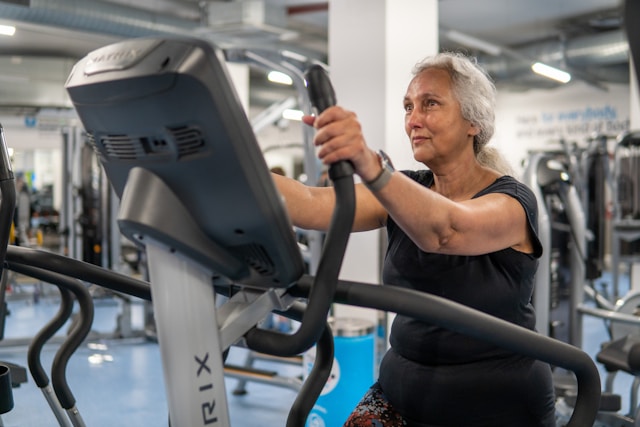
Older adults who remain actively involved in their daily activities often experience slower functional decline, greater confidence, and improved emotional well-being. Maintaining independence in simple tasks strengthens self-esteem and reinforces a sense of purpose.
Regular movement helps preserve muscle strength, balance, and mobility, reducing complications associated with prolonged immobility. Residents also tend to participate more actively in social activities, leading to better psychological health and quality of life.
For nursing homes, maintaining residents’ functional abilities may reduce long-term care dependency and promote a more positive care culture focused on empowerment rather than disability.
Limitations and challenges
Although highly beneficial, this philosophy is not suitable for every individual or every situation.
Residents with advanced dementia, terminal illness, severe stroke, end-stage Parkinson’s disease, or profound frailty may no longer have the capacity to regain certain functions. For these individuals, comfort, symptom management, and dignity become the primary goals of care.
Successful implementation also requires sufficient staffing, ongoing education, interdisciplinary teamwork, and support from family members. Encouraging independence often takes more time than completing tasks on behalf of residents.
Perhaps the greatest challenge is balancing safety with autonomy. Some degree of risk is unavoidable when encouraging older adults to remain active. The objective is not to eliminate every risk but to help residents live as independently and meaningfully as possible while minimizing avoidable harm.
How should this philosophy be implemented?
Self-Reliance Support Care is not a single intervention but a change in mindset. It begins with asking what the resident can still do rather than what they can no longer do.
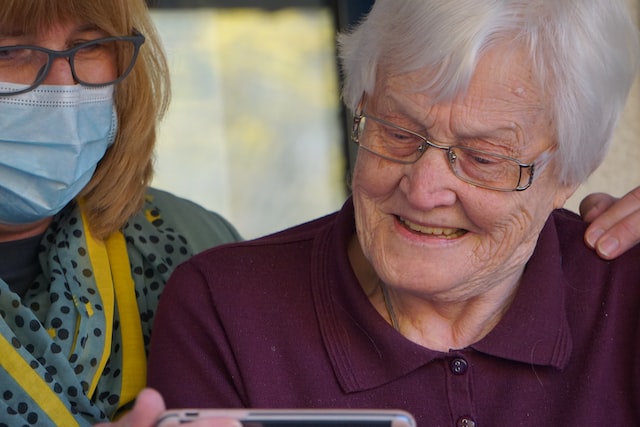
Successful implementation requires a multidisciplinary approach.
- Assess each resident’s physical, cognitive, and functional abilities regularly.
- Set realistic and individualised goals together with residents and their families.
- Encourage participation in activities of daily living rather than completing every task for them.
- Replace routine dependency with graded assistance, offering help only when necessary.
- Reduce unnecessary use of diapers, prolonged bed rest, and physical restraints whenever safe alternatives exist.
- Train staff to become coaches and facilitators rather than task-oriented caregivers.
- Review care plans regularly as residents’ conditions change.
Small changes in daily care can produce meaningful improvements in function and confidence over time.
Conclusion
Professor Takeuchi Takahito’s philosophy reminds us that good eldercare is not measured by how much we do for older adults, but by how much we help them continue doing for themselves.
The principles of avoiding unnecessary diapers, prolonged bed rest, and physical restraints challenge long-held assumptions about safety and caregiving. While these practices require thoughtful implementation and are not suitable for every resident, they offer a powerful framework for preserving dignity, autonomy, and quality of life.
As our population continues to age, the future of eldercare should move beyond simply keeping people alive. It should focus on helping older adults live with purpose, independence, and respect for as long as possible. After all, growing older should never mean losing the opportunity to live with dignity.